-fotor-bg-remover-20251211141935.webp)
-fotor-bg-remover-20251211143525.webp)
U2's journey from a group of inexperienced Dublin teenagers to global rock icons is a testament to their passion, innovation, and resilience.
Songs of innocence
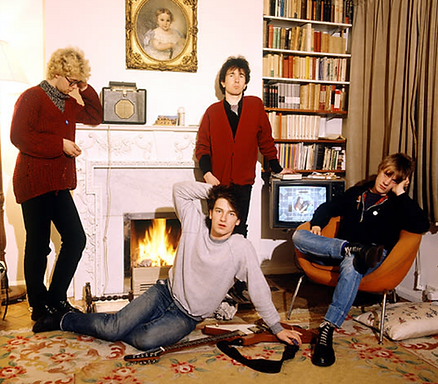
In 1976, 14-year-old Larry Mullen Jr. posted a notice at Mount Temple Comprehensive School in Dublin, seeking musicians to form a band. This call brought together Paul Hewson (Bono), David Evans (The Edge), Adam Clayton, and Mullen himself. Despite limited musical experience, the group, initially named "Feedback" and later "The Hype," began crafting their unique sound. By 1978, they settled on the name U2.

unforgetTable fire
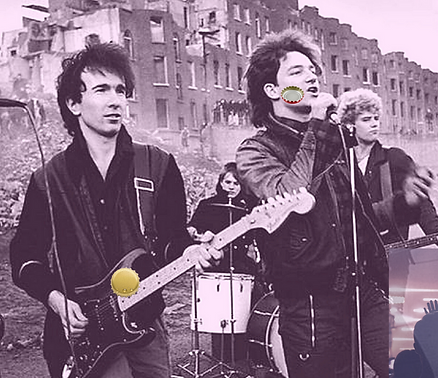
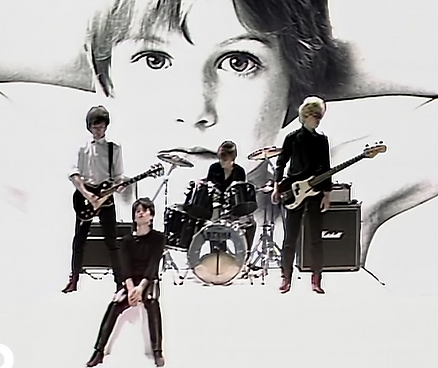
U2's debut album, Boy (1980), showcased their post-punk style and Bono's introspective lyrics. Their subsequent albums, October (1981) and War (1983), further solidified their reputation, with tracks like "Sunday Bloody Sunday" highlighting their political consciousness.
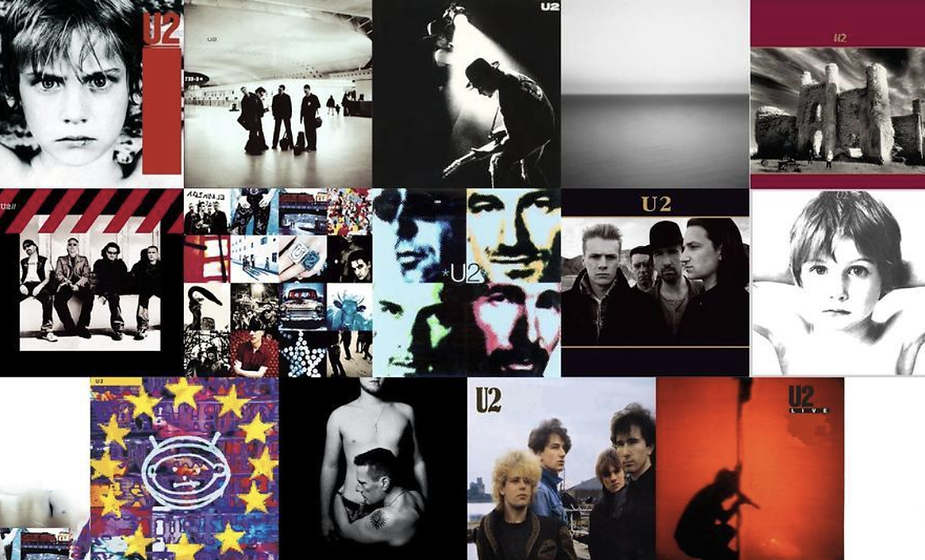

The band's collaboration with producers Brian Eno and Daniel Lanois on The Unforgettable Fire (1984) marked a shift towards atmospheric soundscapes, exemplified by the hit "Pride (In the Name of Love)." Their 1987 album, The Joshua Tree, propelled them to superstardom, blending American roots music with rock and producing classics like "With or Without You" and "I Still Haven't Found What I'm Looking For."
sunday bloody sunday
U2's global tours, including the groundbreaking "Zoo TV" and "PopMart" tours, redefined live performances with their innovative use of technology and multimedia. Beyond music, the band, particularly Bono, became synonymous with activism, advocating for human rights, debt relief, and AIDS awareness.


When love comes to town
In 1988, U2 collaborated with blues legend B.B. King on the song "When Love Comes to Town," featured on their Rattle and Hum album. This partnership bridged rock and blues, showcasing the band's versatility and deep respect for musical traditions. The collaboration was well-received, highlighting U2's ability to cross genre boundaries and appeal to diverse audiences.

where the streets have no name
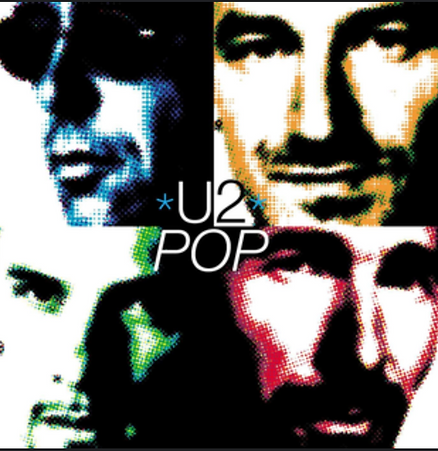
Throughout the 1990s and 2000s, U2 continued to evolve, experimenting with electronic and dance influences on albums like Achtung Baby (1991) and Zooropa (1993). Their 2004 album, How to Dismantle an Atomic Bomb, reaffirmed their rock roots and garnered critical acclaim. As of 2024, U2 remains active, with recent projects including anniversary releases and new music, demonstrating their enduring relevance in the ever-changing music landscape.
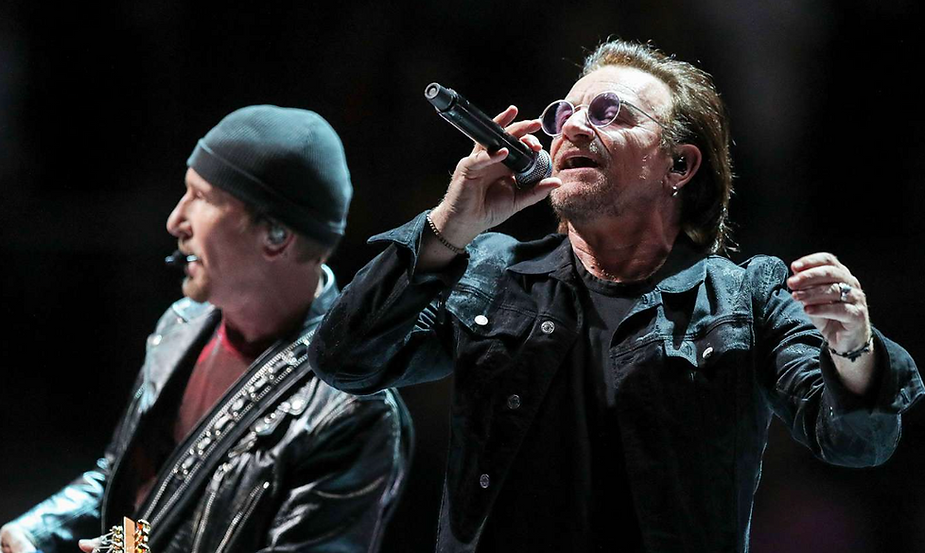
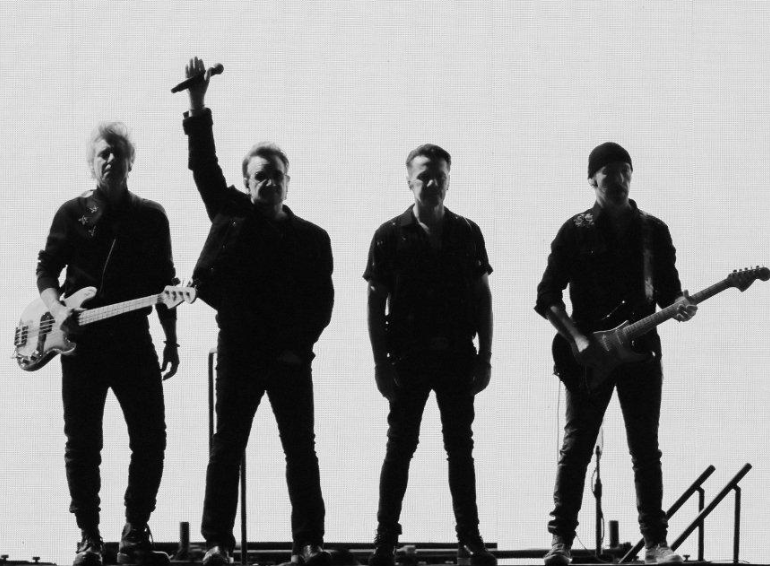
how to disable an atomic bomb
With over 170 million records sold worldwide and 22 Grammy Awards—the most of any band—U2's legacy is unparalleled. Their influence extends beyond music, leaving an indelible mark on global culture and social activism.
U2 redefined rock 'n' roll by blending musical innovation, lyrical depth, and activism, leaving an indelible mark on the genre.
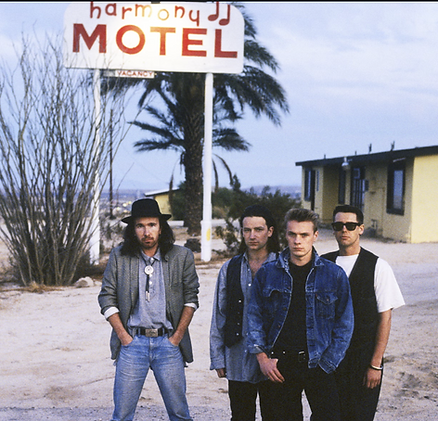
The Edge revolutionized rock guitar with a distinctive sound built on:
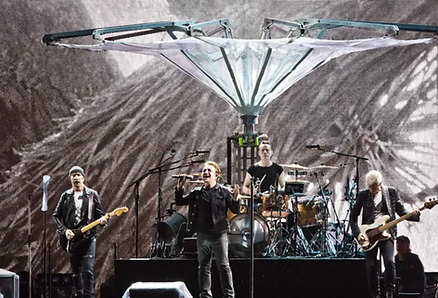
Bono's voice and lyrics transformed U2's music into anthems of hope, love, and rebellion:


U2 reinvented the concert experience by turning shows into theatrical spectacles:
U2 bridged the gap between rock and activism, showing that music could both entertain and inspire change. Their fusion of sound and meaning influenced countless artists, proving that rock 'n' roll could be both poetic and powerful.
-fotor-bg-remover-20251210165637.webp)


