-fotor-bg-remover-20251211141935.webp)
-fotor-bg-remover-20251211143525.webp)
Willie Dixon stands as one of the most influential figures in the history of blues music, a towering presence whose work helped shape not only the genre itself but also the course of modern music. From his deep roots in the Mississippi Delta to his iconic role at Chess Records in Chicago, Dixon's story is a testament to talent, resilience, and the transformative power of the blues.
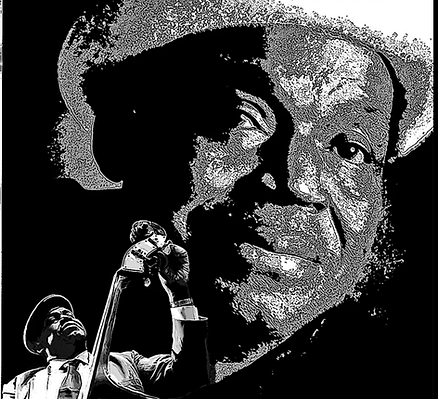
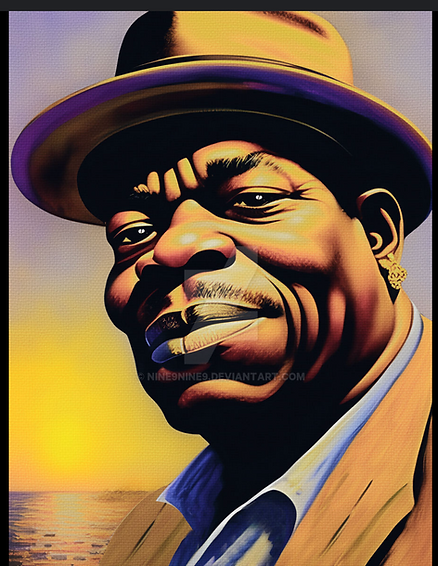
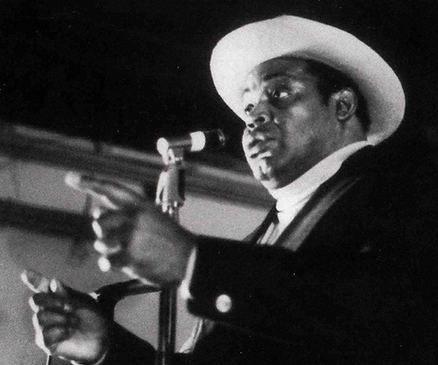
Born William James Dixon on July 1, 1915, in Vicksburg, Mississippi, Dixon grew up in a community steeped in African-American musical traditions. Gospel, spirituals, and early blues surrounded him from a young age. His mother often composed rhyming couplets, a talent Dixon inherited and developed into songwriting prowess.
Though life in the segregated South was challenging, Dixon's early experiences provided a foundation for his artistic identity. He admired boxers like Jack Johnson, and his interest in boxing led him to pursue the sport seriously in his teens, eventually winning the Illinois State Golden Gloves Heavyweight Championship.
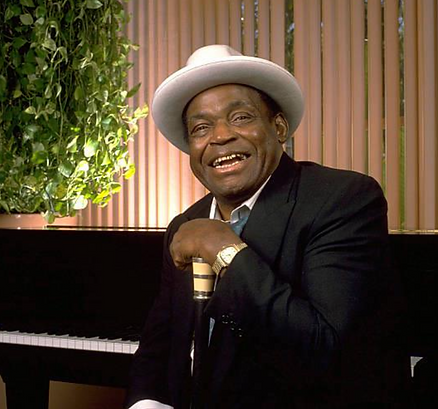
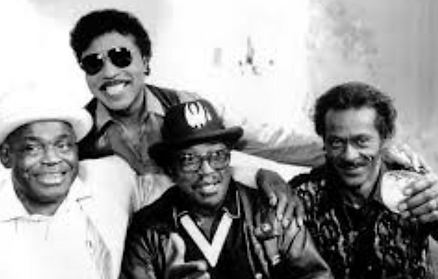
Like many African Americans during the Great Migration, Dixon moved to Chicago in 1936 in search of better opportunities. There, his world expanded as he was exposed to the vibrant Chicago blues scene. Though boxing initially brought him recognition, music soon became his focus.
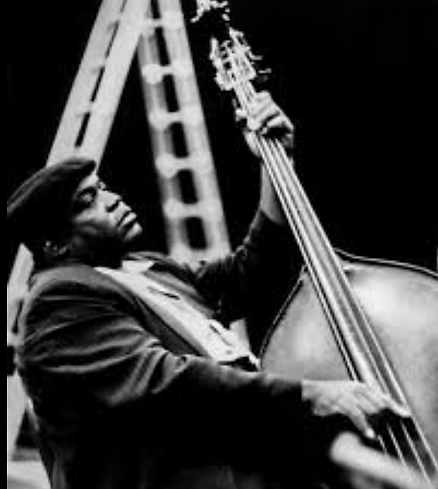
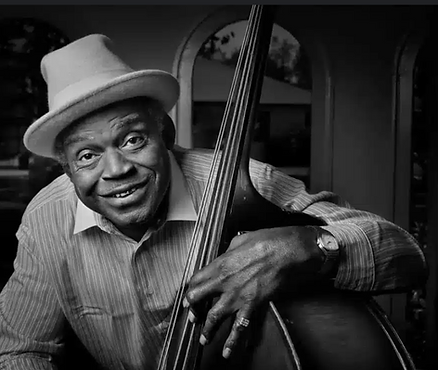
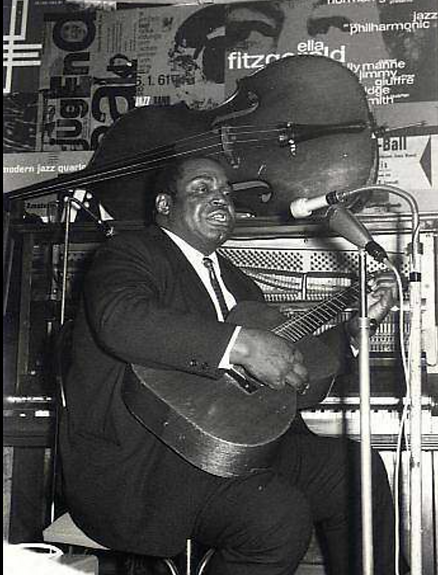
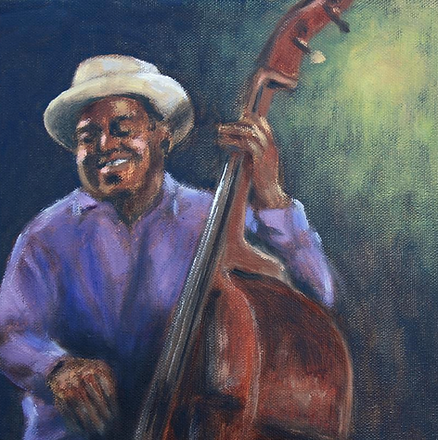
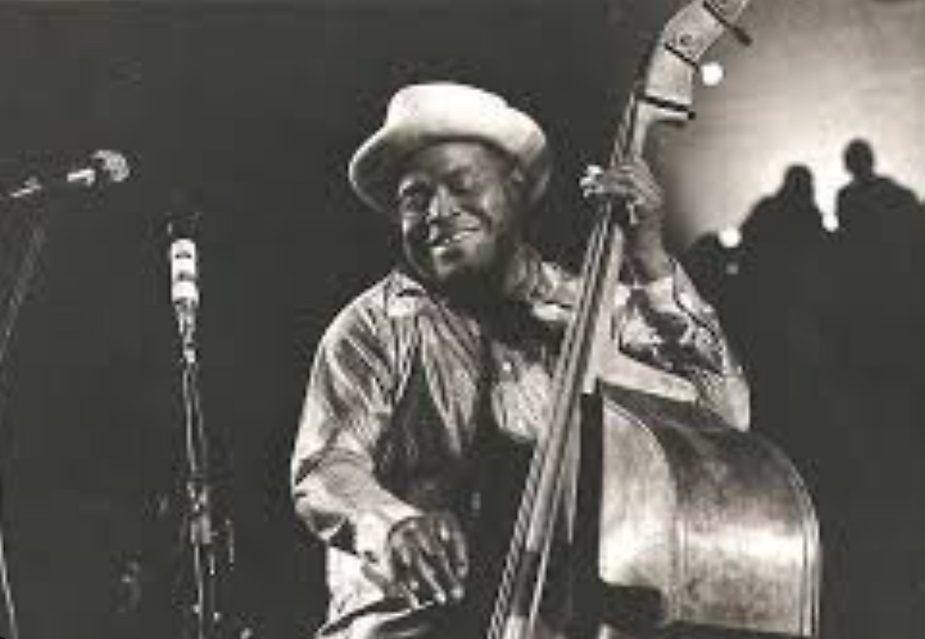
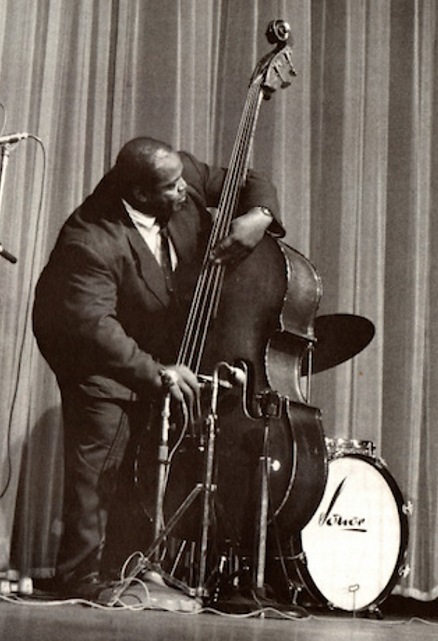
Dixon taught himself to play the upright bass, an instrument that would become synonymous with his name. He performed with various groups, including The Five Breezes and The Four Jumps of Jive, blending jazz, blues, and swing influences. His early compositions began to showcase his talent for creating memorable melodies and poetic lyrics.
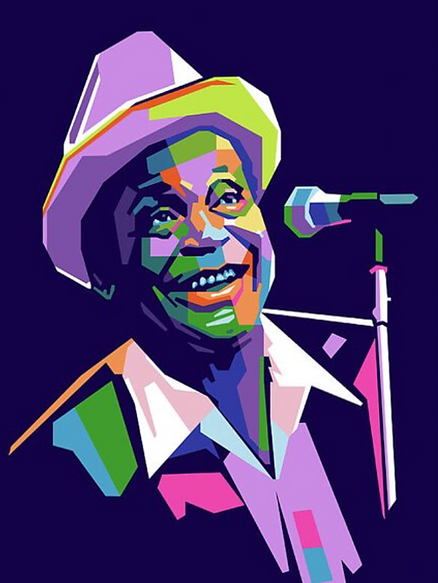
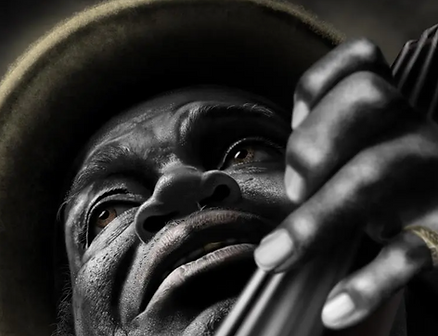
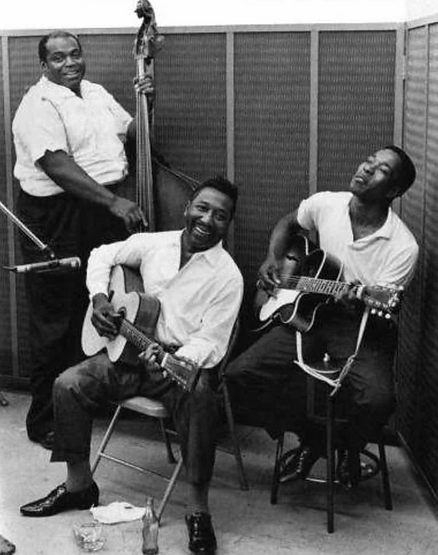
Dixon’s career reached new heights when he joined Chess Records in the late 1940s. As a bassist, songwriter, producer, and arranger, he became the backbone of the label, crafting songs that defined the Chicago blues sound. He worked with legends like Muddy Waters, Howlin' Wolf, Little Walter, and Koko Taylor, writing many of their biggest hits.
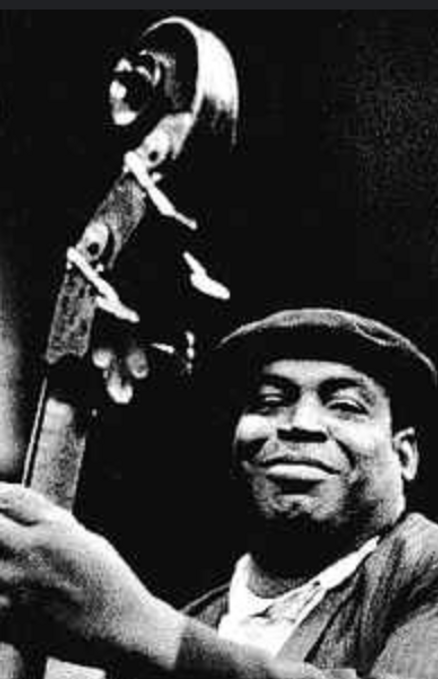
His songwriting genius was unmatched. Dixon penned classics like:
Dixon’s ability to capture universal human emotions—love, longing, struggle, and resilience—ensured his songs resonated deeply with audiences. His innovative approach combined the raw power of Delta blues with the electrified energy of Chicago, paving the way for blues to influence rock and roll.
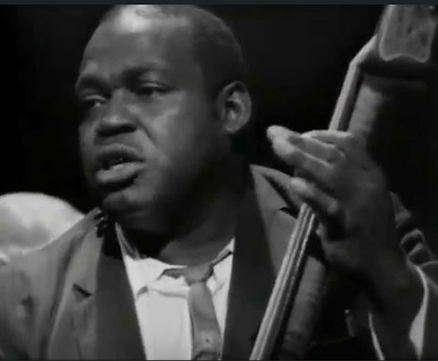
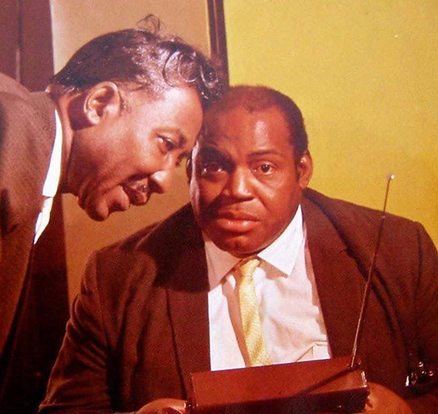
Willie Dixon’s work transcended the blues, laying the groundwork for the explosion of rock and roll in the 1950s and 1960s. British rock bands like The Rolling Stones, Led Zeppelin, and Cream revered Dixon’s music, often covering his songs and crediting him as a formative influence.
For example:
Though Dixon’s music gained widespread recognition, legal battles over royalties and song credits were a recurring theme. By the 1980s, he had successfully reclaimed his rights to many of his compositions, ensuring his legacy was properly honored.
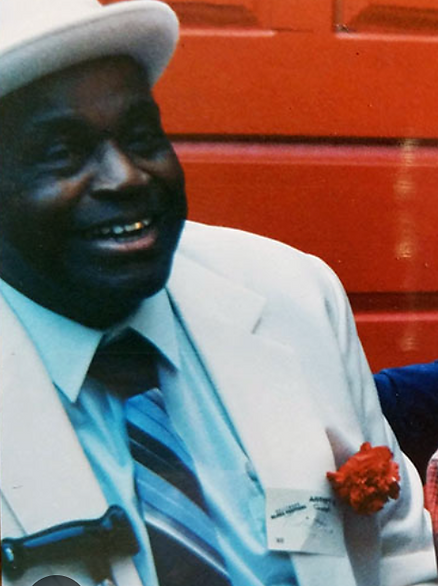
In his later years, Dixon became an ambassador for the blues, working tirelessly to promote its history and significance. He founded the Blues Heaven Foundation in Chicago, dedicated to preserving blues music and supporting struggling musicians.
Dixon continued performing, recording, and writing until his health began to decline. Despite battling diabetes, he remained active in the music scene, releasing albums like "Willie Dixon: The Chess Box" and receiving accolades for his contributions.
Willie Dixon's achievements were widely celebrated during his lifetime and beyond:
Dixon passed away on January 29, 1992, leaving behind an indelible legacy. His music continues to inspire artists and listeners worldwide, serving as a reminder of the enduring power of the blues.
Willie Dixon was more than a musician; he was a storyteller, a poet, and a visionary who understood the blues not just as a genre but as a reflection of life itself. His songs are monuments to the struggles and triumphs of the human spirit, carrying forward the voices of those who came before him while shaping the sounds of those who came after.
Dixon once said, "The blues are the roots, and the other musics are the fruits." Thanks to his unparalleled contributions, those roots remain firmly planted, continuing to nourish the world of music. Willie Dixon’s legacy lives on in every strum, every wail, and every heartfelt lyric born from the blues.
Willie Dixon’s legacy as a songwriter is monumental, transcending the blues genre and cementing him as one of the most influential composers of the 20th century. His songs, marked by their poetic storytelling, wit, and emotional depth, became the foundation of the Chicago blues sound and heavily influenced the evolution of rock and roll. Here's a closer look at his songwriting brilliance.
Dixon’s songwriting was rooted in the tradition of oral storytelling, an art form he grew up with in the Mississippi Delta. His lyrics painted vivid pictures of human experiences, ranging from love and heartbreak to resilience and rebellion. Dixon had an uncanny ability to distill complex emotions into concise, memorable verses that resonated universally.
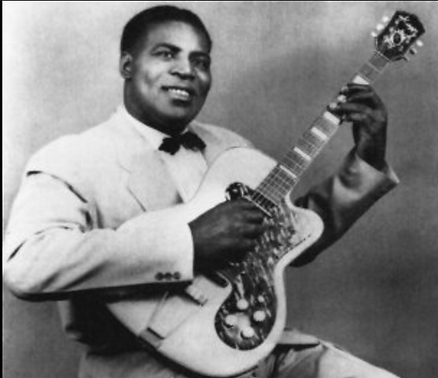
Dixon’s lyrics often featured rich metaphors and double entendres, allowing his songs to operate on multiple levels. They could be playful and humorous, but they always carried deeper truths about the human condition.
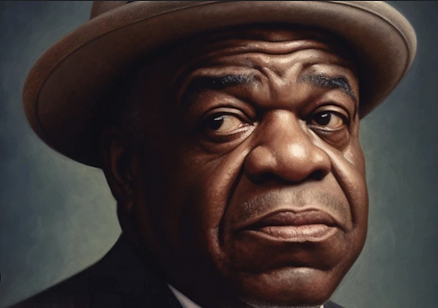
Dixon’s songwriting extended beyond lyrics—he was a master of crafting melodies and rhythms that complemented his stories. As a bassist, he had an innate understanding of how rhythm could drive a song’s emotional impact. His compositions often featured:
As the in-house songwriter and arranger for Chess Records, Dixon was a one-man hit factory. Between the late 1940s and early 1960s, he penned dozens of hits for the label’s roster of blues legends. His ability to tailor songs to specific artists was one of his greatest strengths.
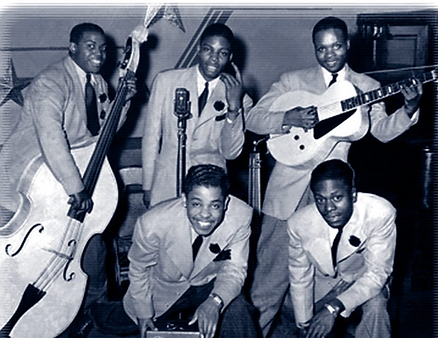
Dixon’s songwriting laid the groundwork for the British Invasion and the rise of rock music in the 1960s. Artists like The Rolling Stones, Cream, and Led Zeppelin drew heavily from his catalog, often covering his songs and adapting his themes.
Though these covers brought Dixon’s work to new audiences, they also sparked legal battles over songwriting credits. Dixon fought to reclaim his rights and eventually received proper recognition for his contributions.
Willie Dixon’s songwriting continues to resonate because it captures timeless truths about life, love, and resilience. His songs are more than just blues standards—they’re cultural artifacts that reflect the struggles and triumphs of the human spirit. Whether through the raw power of "Back Door Man" or the infectious joy of "Wang Dang Doodle," Dixon’s music remains as vital and relevant as ever.
In his own words:"The blues are the roots, and the other musics are the fruits."As long as music exists, Willie Dixon’s roots will continue to nourish and inspire generations to come.
-fotor-bg-remover-20251210165637.webp)


