-fotor-bg-remover-20251211141935.webp)
-fotor-bg-remover-20251211143525.webp)
As a teenager, Louis began playing on the streets and in the dance halls of New Orleans. His undeniable talent caught the attention of Joe "King" Oliver, a prominent jazz musician who became Louis's mentor. In 1922, when King Oliver invited him to join his Creole Jazz Band in Chicago, Louis didn’t hesitate.
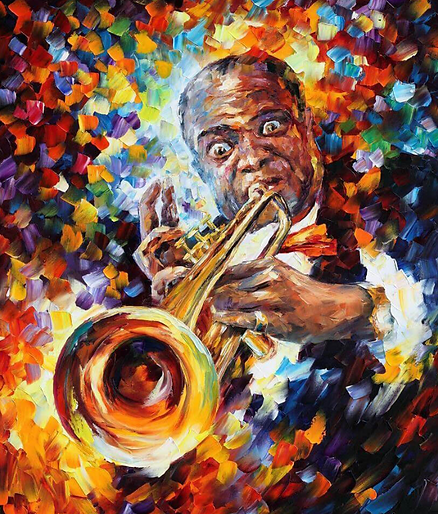
In Chicago, Louis's brilliance shone. Audiences marveled at his ability to bring life and soul to every note. His growing confidence and skill soon led him to New York City, where he joined Fletcher Henderson’s Orchestra in 1924. It was in New York that Louis began to innovate, turning jazz into something new.
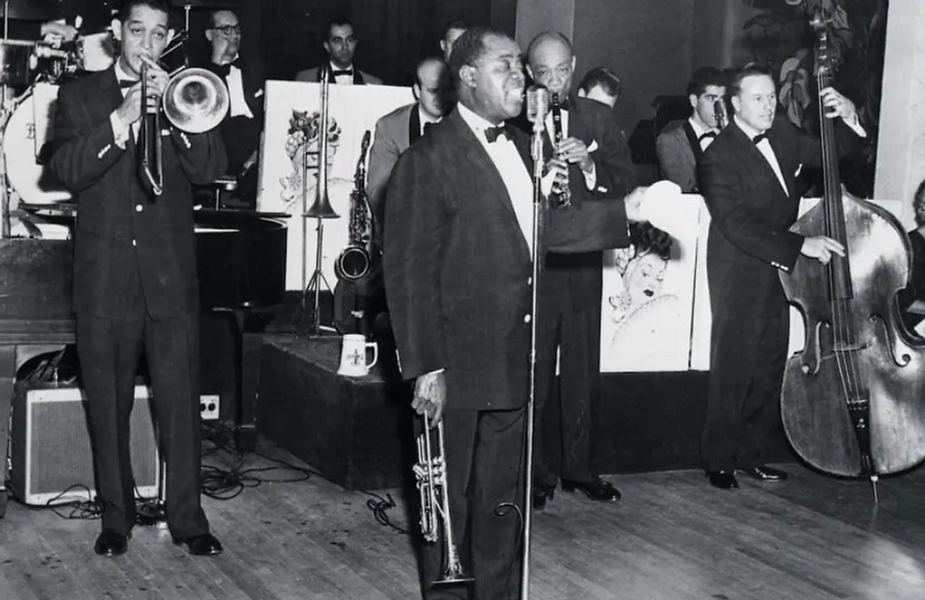
He wasn’t just playing music—he was creating it. His groundbreaking trumpet solos captivated listeners, and his joyful energy made him unforgettable. Then came the recordings with his Hot Five and Hot Seven bands in the late 1920s. Tracks like "West End Blues" and "Heebie Jeebies" showcased his genius, revolutionizing the art of improvisation and bringing scat singing into the spotlight.
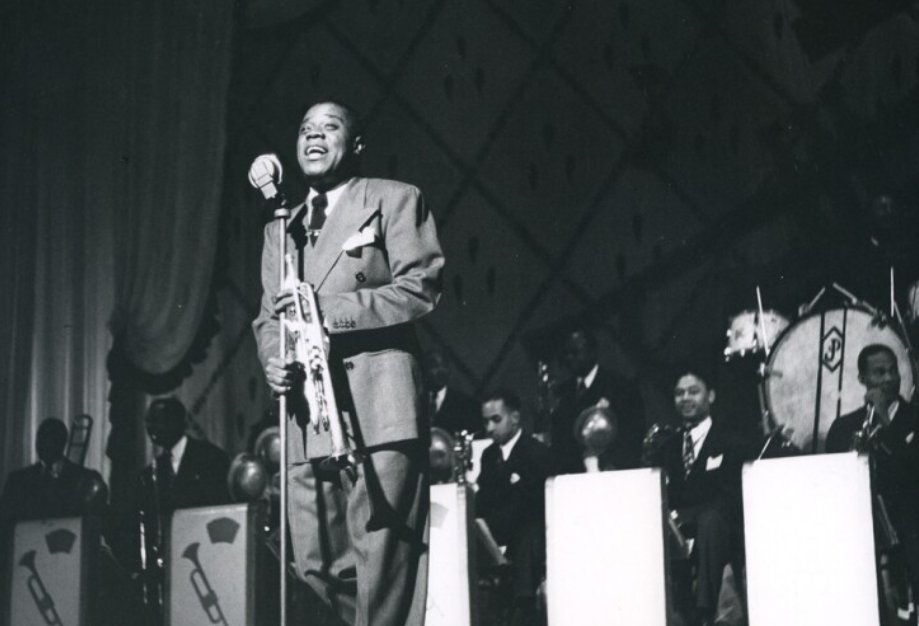
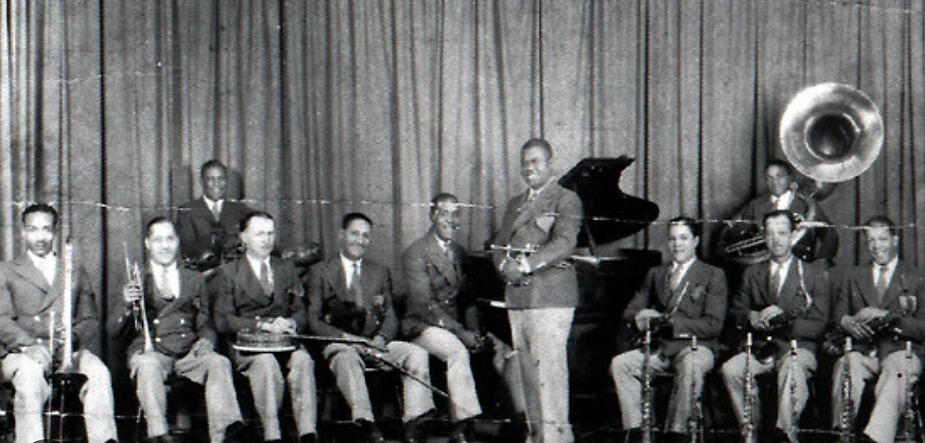
Louis Armstrong wasn’t just a musician; he was a force of nature. His music transcended boundaries, speaking to people across cultures and continents. Before Armstrong, jazz was often seen as a collective effort—a conversation among instruments. Louis changed that by elevating the soloist, giving individual expression a central place in jazz.
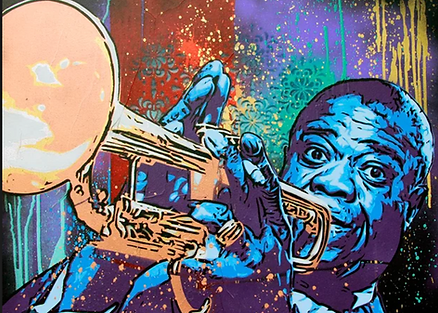
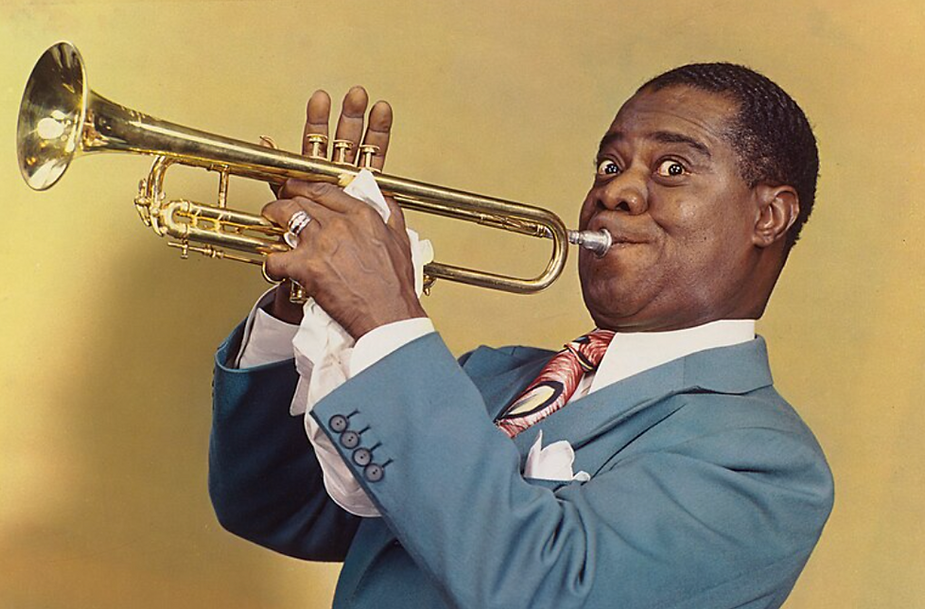
His rhythmic innovations laid the foundation for swing music, paving the way for the jazz revolution of the 1930s and 1940s. His voice, with its gravelly warmth, and his trumpet, which seemed to channel pure joy, became synonymous with the soul of jazz.
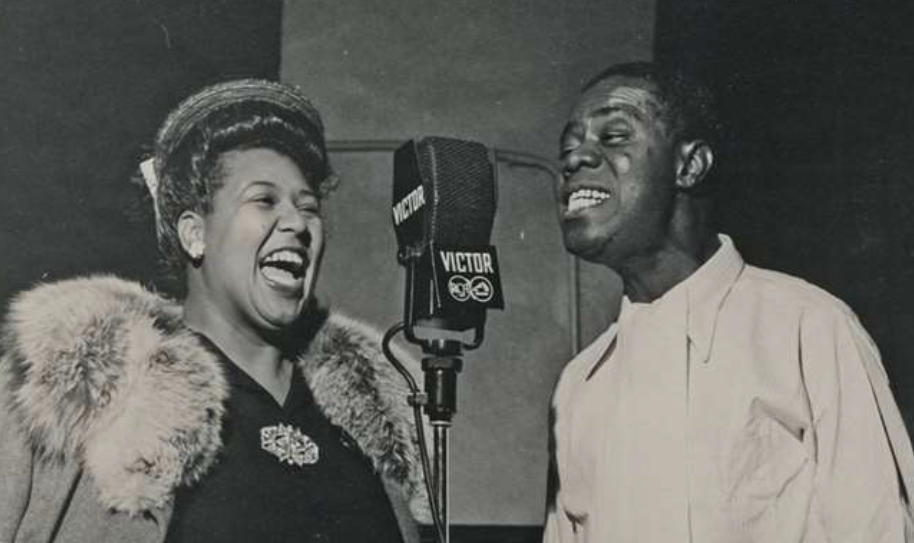
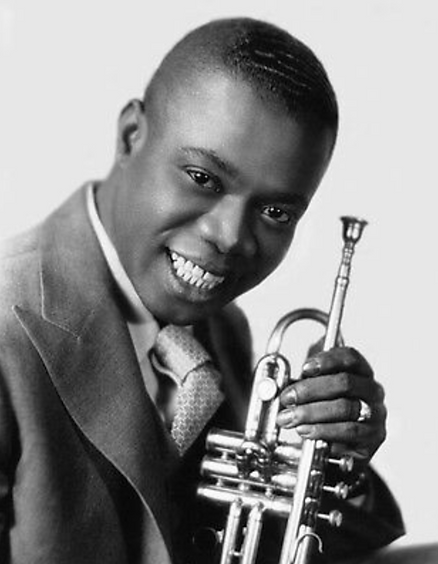
Louis’s influence spread far and wide. Miles Davis, Dizzy Gillespie, and Ella Fitzgerald all credited him as a trailblazer who shaped their artistry. Even pop stars like Frank Sinatra admired Louis’s emotional delivery and charisma. Beyond America, Louis’s music introduced jazz to the world.
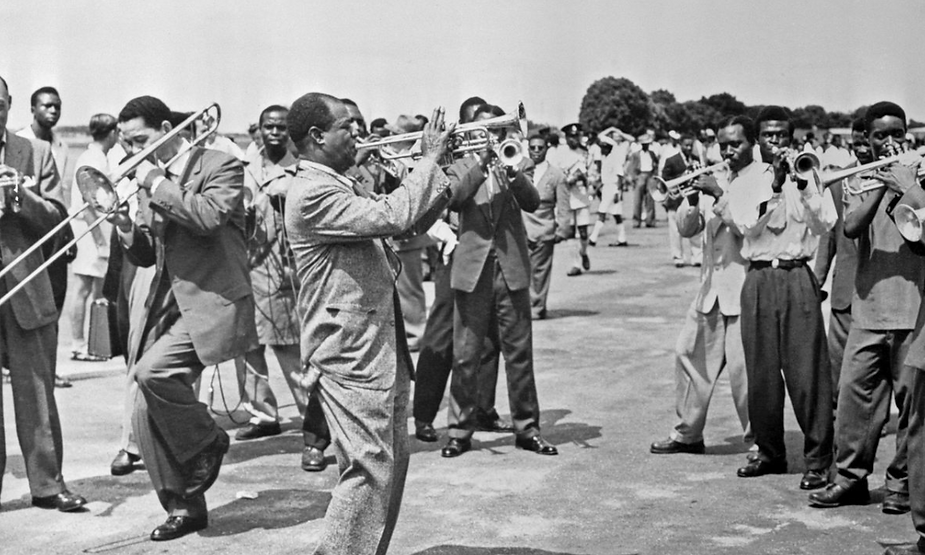
When he toured Africa, Europe, and Asia in the 1950s and 1960s, he became not just a performer but a cultural ambassador. His music spoke a universal language, bringing people together during a time when the world often felt divided.
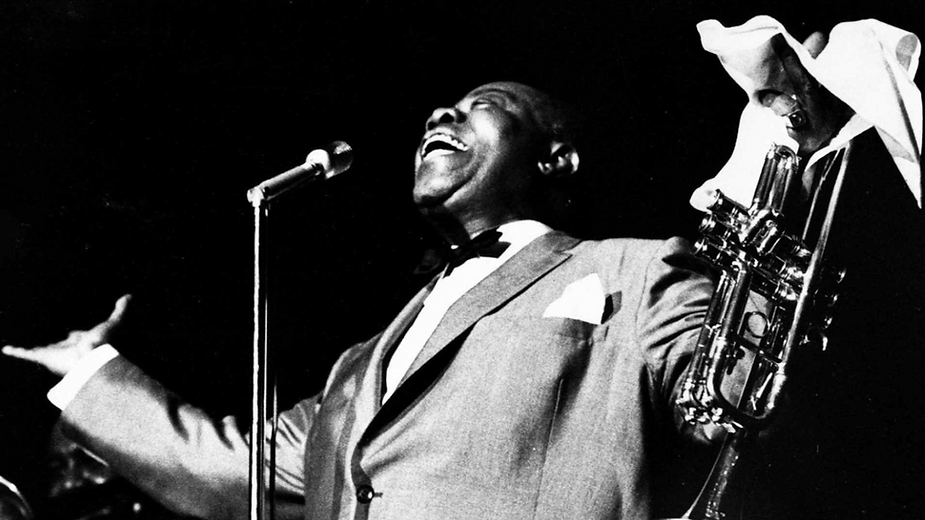
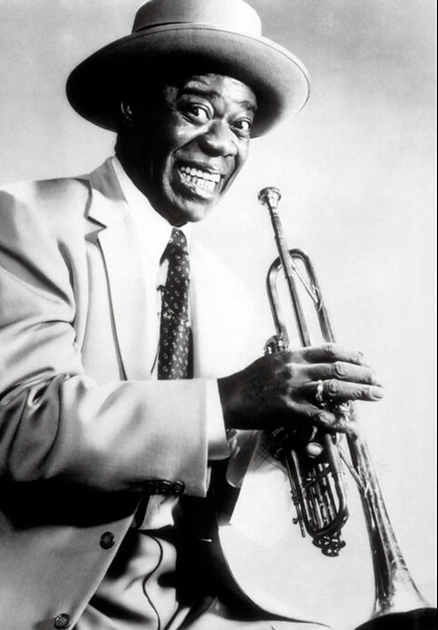
In 1964, during the height of Beatlemania, Louis Armstrong achieved something extraordinary: his rendition of "Hello, Dolly!" soared to the top of the charts, knocking The Beatles off their perch. It was a testament to his timeless appeal and his ability to connect with audiences of all ages.
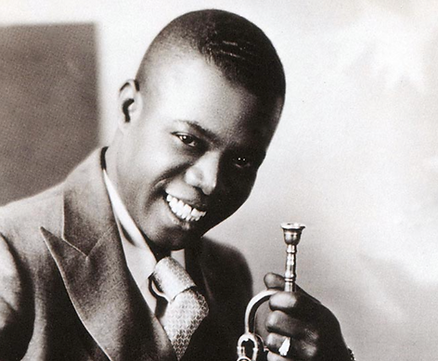
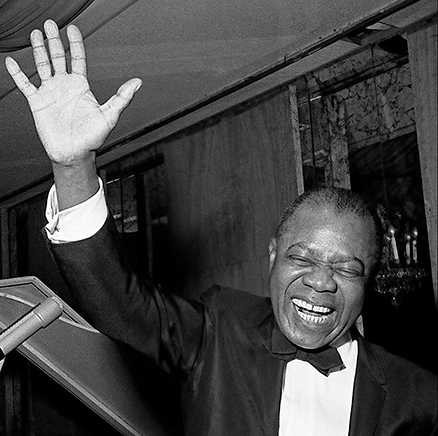
Even as he faced health challenges later in life, Louis never lost his passion for music. He continued to perform, bringing joy to audiences until his final days. On July 6, 1971, the world said goodbye to Louis Armstrong, but his legacy was immortal.
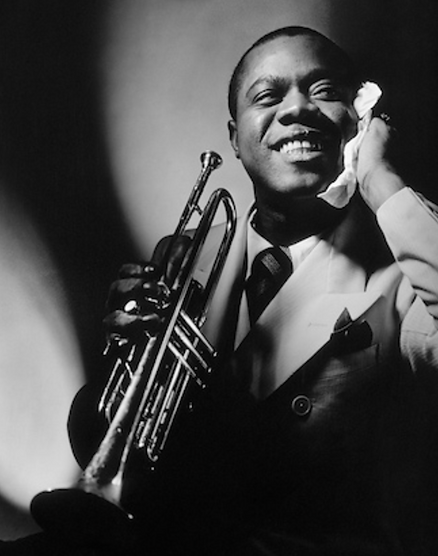
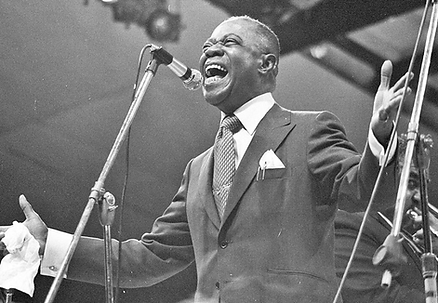
Today, we can’t imagine jazz—or music in general—without Louis Armstrong. He transformed jazz into an art form that celebrated individual creativity, laying the groundwork for generations of musicians to follow. He broke barriers, both musical and societal, and his infectious joy reminded the world of the power of music to heal and unite.
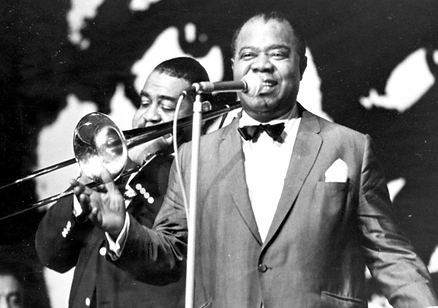
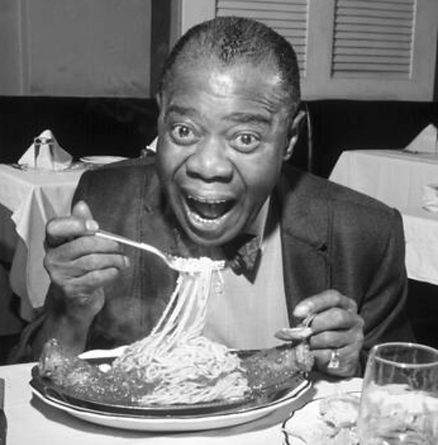
Louis Armstrong didn’t just play music—he changed it forever. And as his voice and trumpet echo through time, we’re reminded of a simple truth: the world truly is a wonderful place when we listen to the music of a legend like Satchmo.

Louis Armstrong's influence on music and culture was monumental, reaching across generations, genres, and even national boundaries. Here's a breakdown of who he influenced and why his impact was so profound:
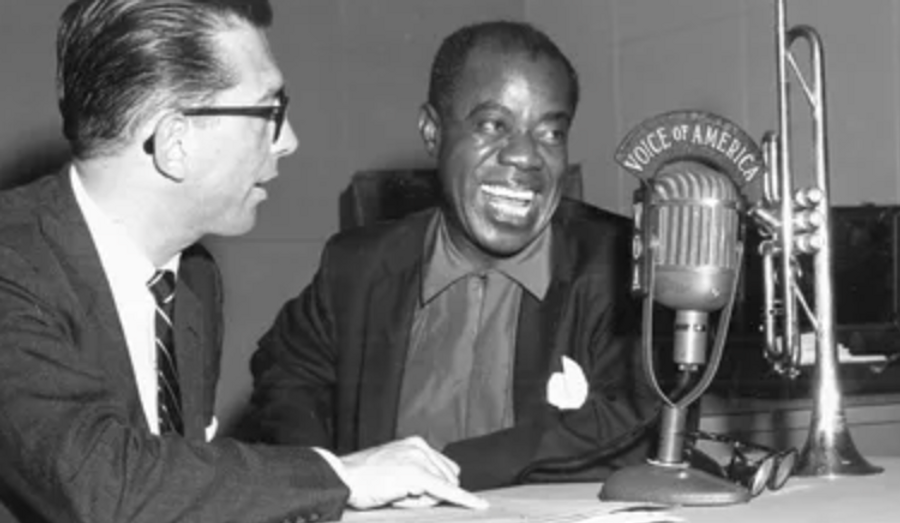
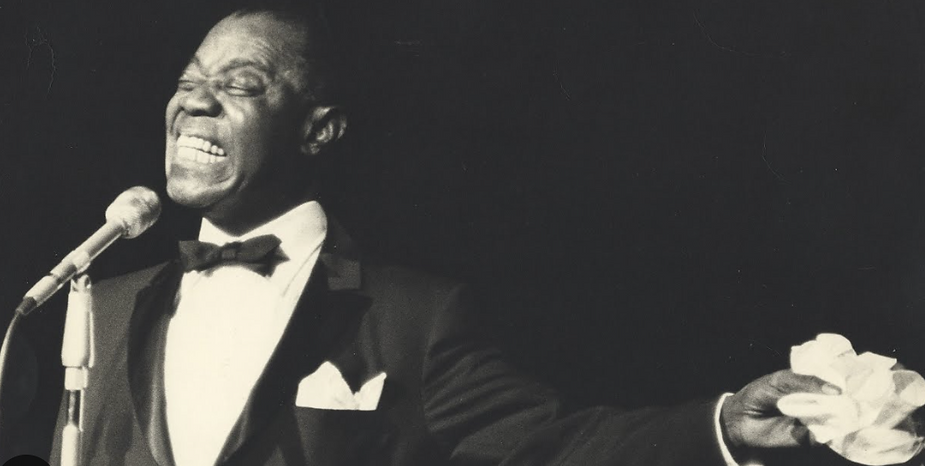
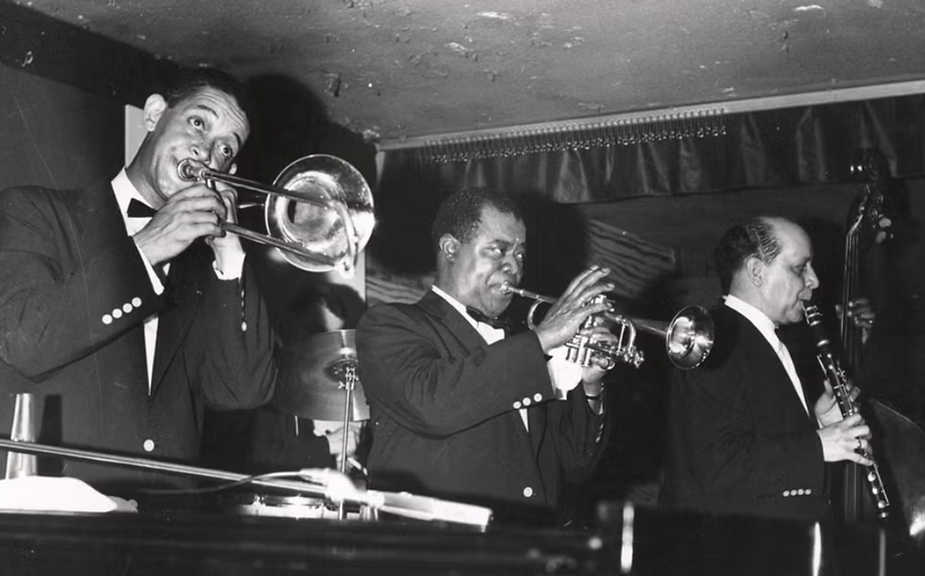
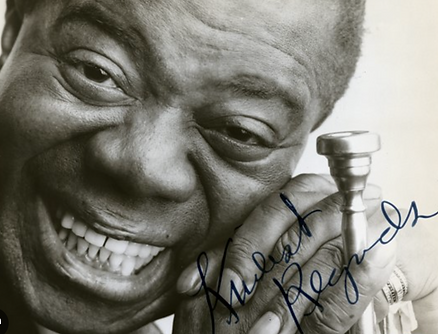
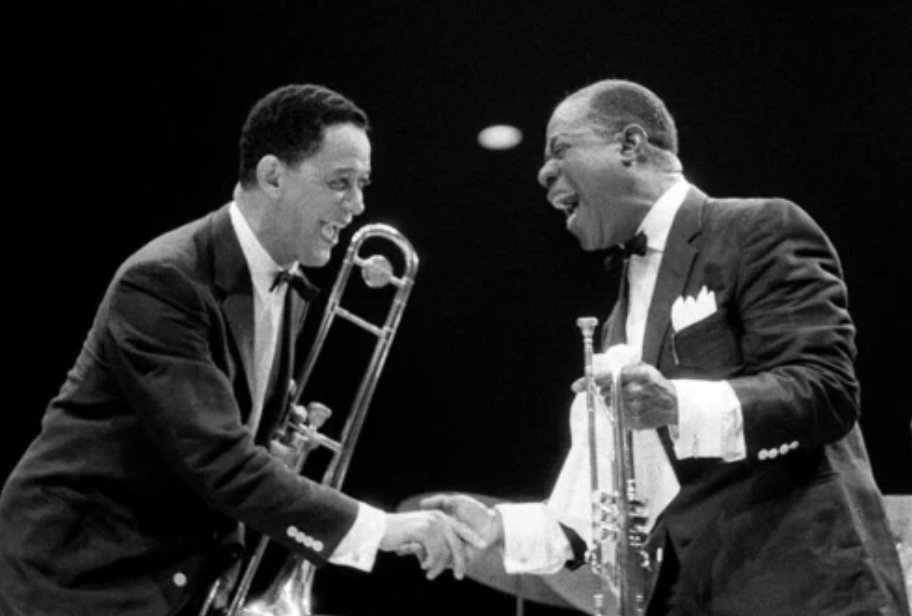
Louis Armstrong’s influence stretches far beyond his era. He didn’t just inspire musicians—he changed the way music was created and experienced. His ability to innovate, connect, and elevate music turned him into a guiding light for artists across the world, ensuring his legacy lives on in every note of jazz, pop, and beyond.
-fotor-bg-remover-20251210165637.webp)


