-fotor-bg-remover-20251211141935.webp)
-fotor-bg-remover-20251211143525.webp)
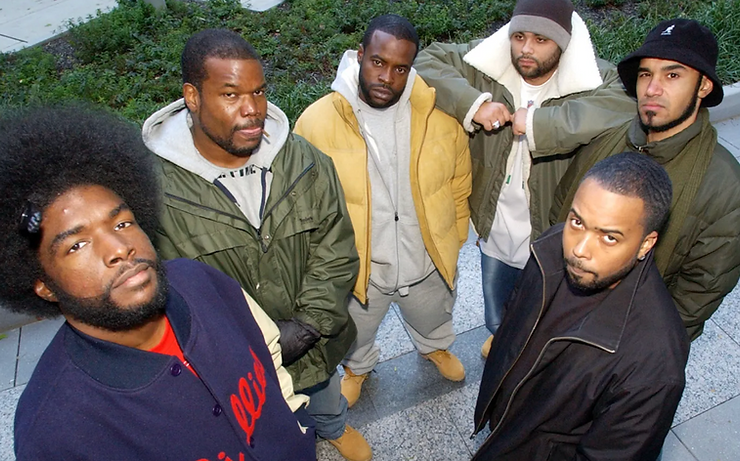
The Roots, one of the most influential and pioneering hip-hop groups of all time, were formed in 1987 in Philadelphia,
Pennsylvania, by drummer Ahmir "Questlove" Thompson and rapper Black Thought (Tariq Trotter). The duo initially came together in high school, bonding over a shared love of music and an appreciation for the art of hip-hop. They later added Hubert "Hub" (bass) and Kamal "The Beatmaker" (keyboard) to their lineup, ultimately creating a unique sound that was unlike anything in hip-hop at the time.

From the very beginning, The Roots stood out because they were one of the few hip-hop acts to use live instruments as their primary musical foundation. Their live performances, characterized by energetic beats and intricate lyricism, quickly garnered attention in the Philadelphia underground music scene.
In 1992, The Roots were introduced to Jive Records, a major label in the music industry, largely thanks to a live performance that caught the eye of label executives. This set the stage for the release of their debut album.

In 1993, The Roots released their debut album, Organix. This was a true reflection of their live, jam-based style, combining elements of jazz, soul, and old-school hip-hop with contemporary rap lyrics. While the album didn't receive massive commercial success, it established the band's identity as a collective deeply rooted in musicality, offering a refreshing departure from the synthesizer-heavy beats and samples that dominated hip-hop at the time.
The album’s blend of organic instrumentation and socially conscious lyrics laid the groundwork for what would become their signature style: live, soulful, and intellectually driven hip-hop. Tracks like “Distinctive Head” and “Pass the Popcorn” displayed the band’s ability to blend complex rhythms with thoughtful commentary on society.
The Roots' second album, Do You Want More?!!!??!, released in 1995, was a breakthrough moment. This project marked the first time they received widespread recognition. The album expanded on the sound established in Organix by experimenting more with jazz and funk influences, while maintaining their raw hip-hop energy.
Do You Want More?!!!??! included the hit single “Distortion to Static,” which became an underground anthem, earning praise for its infectious grooves and clever, socially aware lyricism.
The album’s success further solidified The Roots as one of the most innovative groups in hip-hop, and they became known for their ability to blend genres and their tight live performances, both of which set them apart from many of their contemporaries.
It was also during this time that their live shows began gaining a reputation for being some of the most energetic and well-executed performances in the hip-hop scene. Questlove’s skill behind the drums, combined with the band's seamless blending of genres, made The Roots’ live shows a must-see experience.


In 1996, The Roots released Illadelph Halflife, which showcased even more growth in terms of lyrical complexity and musical experimentation. The album included tracks like “What They Do”, a critical commentary on the commercialization of hip-hop, and “Clones”, which displayed the band’s characteristic wordplay and political consciousness.

This album continued to push boundaries, incorporating live instrumentation in ways that many thought were impossible for a hip-hop group. Illadelph Halflife was also the first Roots album to gain real commercial attention, further establishing them as one of the most important groups in the genre.
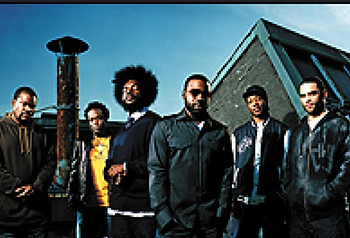
The Roots’ most commercially successful album came in 1999 with Things Fall Apart, which is considered by many to be their magnum opus. The album, named after the Chinua Achebe novel, explored themes of personal conflict, societal pressure, and identity. It featured production from the band themselves, as well as collaborators like J Dilla and DJ Jazzy Jeff.
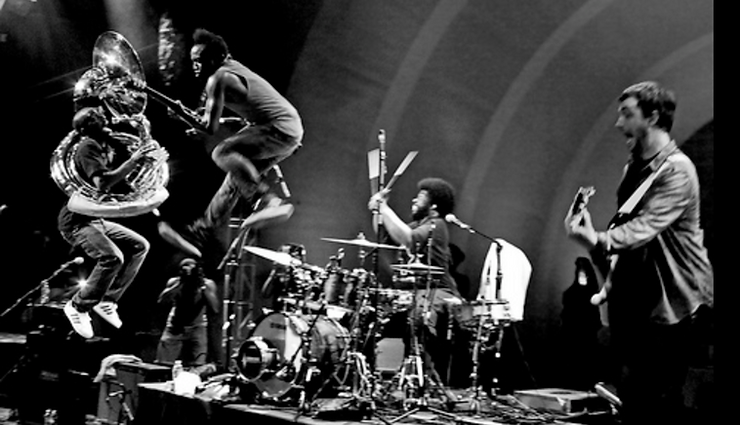

Things Fall Apart included several major hits, including the iconic “You Got Me”, featuring Erykah Badu. The track was a radio hit and earned the group a Grammy Award for Best Rap Performance by a Duo or Group in 2000. Other standout tracks included “The Next Movement”, “Act Too (The Love of My Life)”, and “Break You Off”.
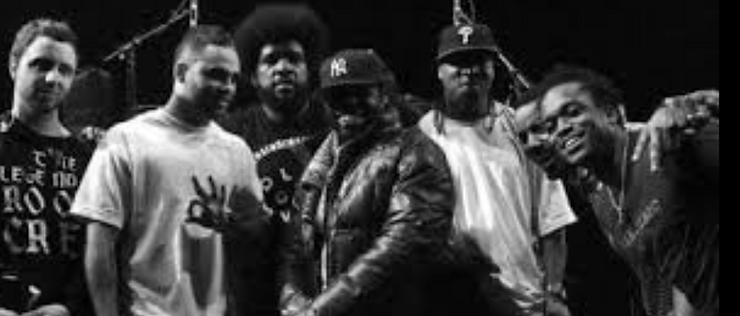

The album was a critical success and helped bring The Roots to a wider audience, attracting fans from across genres and solidifying their place as one of the most important groups in the world of hip-hop.
In 2002, The Roots released Phrenology, an album that further expanded their sound and took them into new, experimental directions. It was an album full of risk-taking, with elements of rock, soul, and even electronic music finding their way into the band’s signature sound.
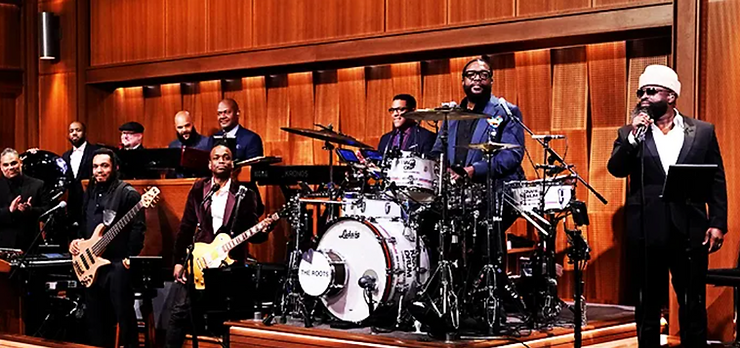
Despite mixed reviews initially, Phrenology eventually became recognized as a groundbreaking album that pushed the boundaries of hip-hop. The album’s hit singles, including “The Seed (2.0)” (featuring Cody Chesnutt), saw The Roots experimenting with funk and rock in new ways, while “Web” and “Rolling with Heat” showcased their continued dedication to socially conscious lyrics.


Phrenology marked a significant shift in the band’s music and image, signaling their readiness to evolve and experiment in order to avoid being pigeonholed into a single sound or genre.
After Phrenology, The Roots released The Tipping Point in 2004, an album that was more accessible to mainstream audiences but still maintained the group’s signature live instrumentation and lyrical sophistication. The album featured the hit single “Don’t Say Nuthin’”, which became a staple of their live shows.
Though The Tipping Point was considered more commercially oriented than their previous albums, it still contained important political messages and personal reflections. This period marked a return to form for the band, who were eager to connect with a new generation of hip-hop listeners while staying true to their roots.
In 2006, The Roots released Game Theory, an album that delved into darker, more politically charged subject matter. It was heavily influenced by the post-9/11 political climate and the group’s desire to address issues like social inequality, war, and corruption.
Tracks like “Rising Up” (featuring Chrisette Michele and Wale) and “In the Music” showcased the group’s ability to mix personal struggles with political commentary. The album was hailed as one of their best works and marked a return to their conscious, politically aware roots.
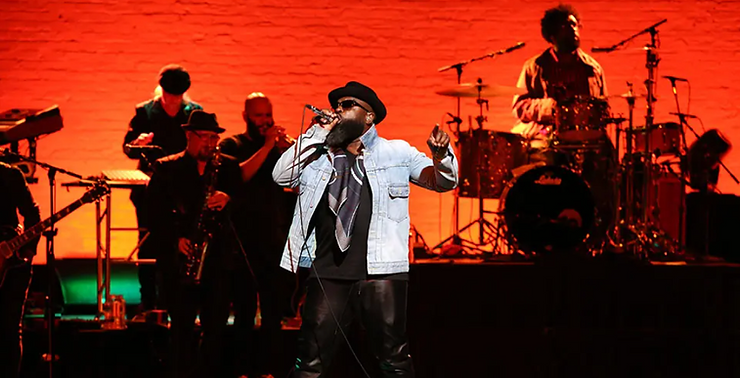
During the late 2000s and early 2010s, The Roots began to broaden their reach beyond music, with Questlove and Black Thought becoming increasingly visible in the media. Questlove became a prominent figure in the music world, writing books, producing, and DJing, while Black Thought’s sharp lyricism continued to captivate listeners.

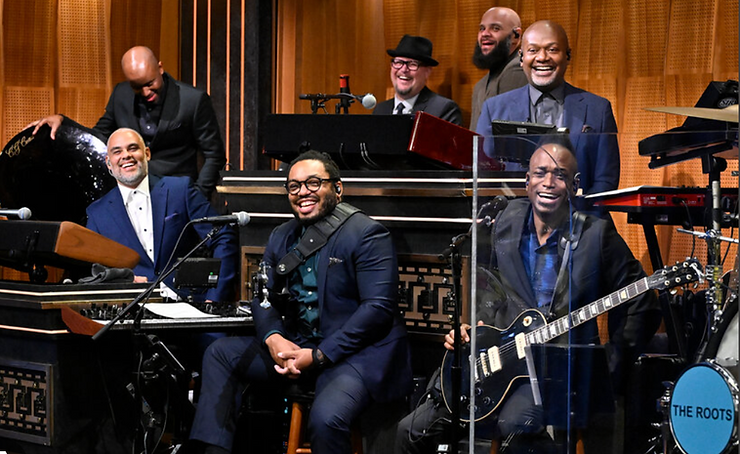
In 2009, The Roots became the house band for The Tonight Show with Jimmy Fallon, a position that greatly expanded their exposure. The band’s ability to adapt their style to a late-night television format, while maintaining their musical integrity, earned them a new level of respect and a loyal fanbase.
Their music during this period continued to evolve. Albums like “How I Got Over” (2010) and “undun” (2011) were more introspective, blending philosophical themes with deep social commentary. undun, in particular, was a concept album that told the story of a man’s life through the eyes of a protagonist named Redford Stevens. The album showcased the band’s ability to craft cohesive narratives within their music.

In the 2010s and beyond, The Roots continued to innovate. Their 2014 album “...And Then You Shoot Your Cousin” was another conceptual piece, dealing with themes of violence, inner-city life, and disillusionment with the American Dream. Although it didn’t achieve the same level of mainstream success as some of their previous works, it reinforced their status as one of the most daring and progressive forces in hip-hop.
As of the mid-2020s, The Roots continue to perform live and collaborate on various projects, including producing music, contributing to film scores, and maintaining their presence on The Tonight Show. Their ability to evolve with the times while staying rooted in their original ethos has made them one of the most respected and influential groups in hip-hop.
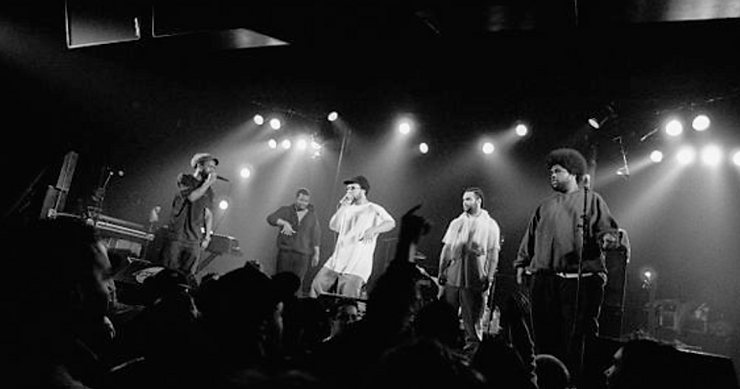
The Roots have been trailblazers in hip-hop for decades, not only for their live instrumentation and innovative sound but also for their constant commitment to social consciousness and musical integrity. They were among the first hip-hop groups to make live bands an essential part of their performances and have since become a cultural touchstone for musicians and fans alike.
Through their evolution, The Roots have influenced countless artists across genres, while continuously pushing the boundaries of what hip-hop can be. As a band that consistently balances artistic experimentation with social relevance, their legacy is secure, and their influence on the genre
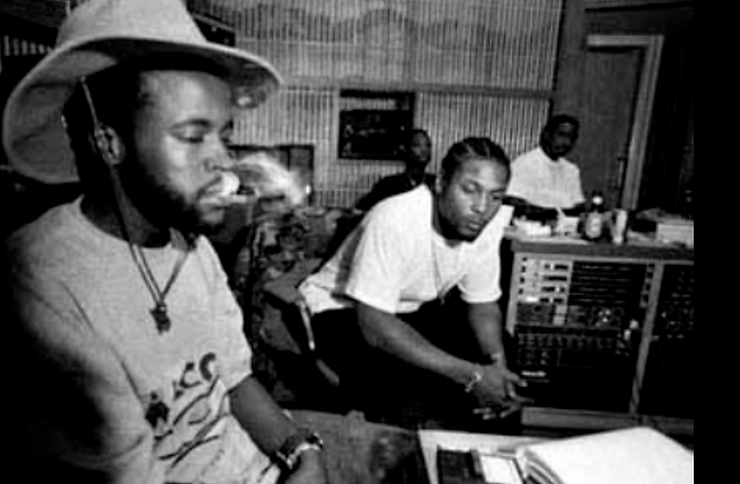
The Roots' Influence on Hip-Hop and Music in General
The Roots are not just a seminal hip-hop group—they are cultural pioneers who have profoundly influenced the sound, structure, and perception of hip-hop music over the past three decades. Their legacy reaches far beyond their own catalog of albums, extending into how hip-hop is created, performed, and understood. Below are the key areas where The Roots' impact has been most felt:
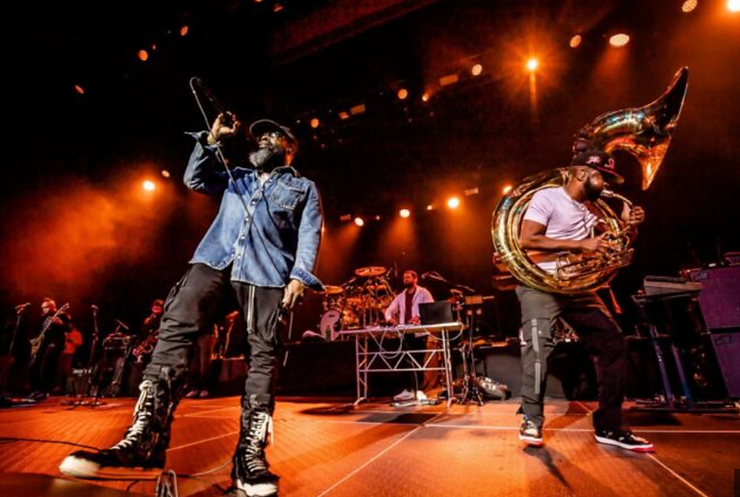
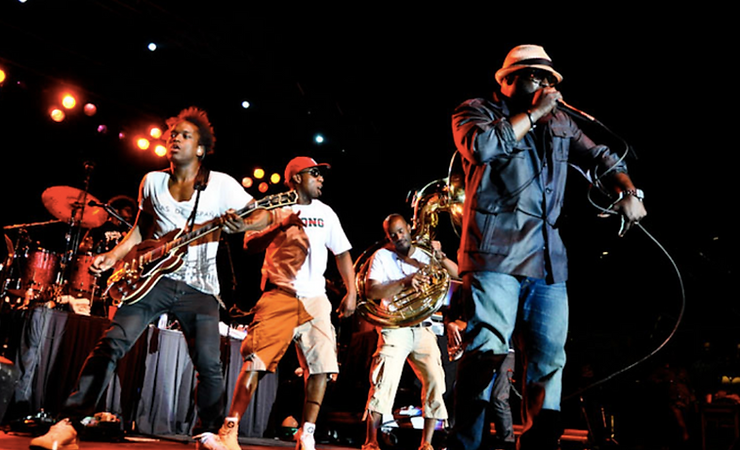
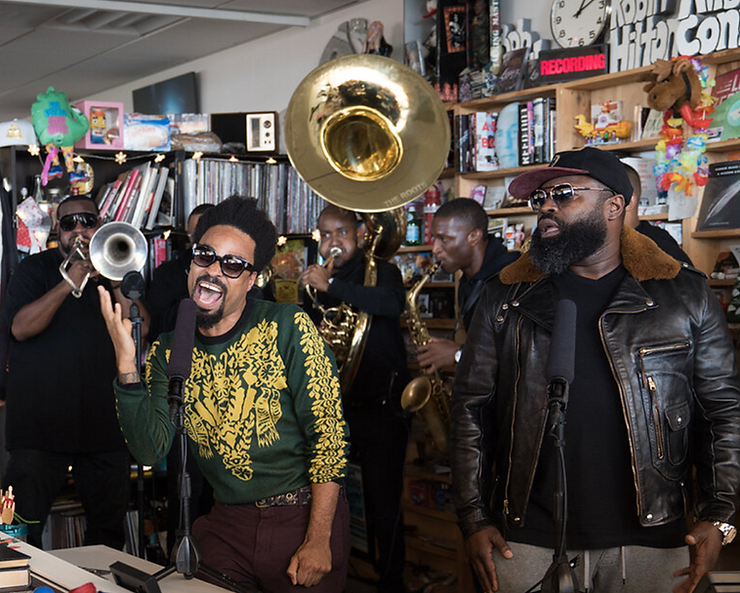
One of The Roots’ most significant contributions to the genre is their pioneering use of live instruments. Prior to The Roots, hip-hop was primarily driven by DJs, samplers, and drum machines, with artists often relying on pre-recorded beats or sampled tracks to create their sound. The Roots changed that by integrating live drums, bass, guitar, and keys into their performances and recordings.
The Roots have always been at the forefront of "conscious" or intellectual hip-hop, a genre that places a premium on socially aware lyrics, political commentary, and philosophical themes. Through their lyrics, The Roots have consistently tackled issues such as race, inequality, personal struggle, and societal injustice.
The Roots have consistently pushed the boundaries of what a hip-hop album could be. They didn't just make music; they crafted albums as full artistic statements, each with a unique concept or narrative thread. Their approach to album-making challenged the idea that a rap album could be simply a collection of singles.
The Roots are known for their genre-blending approach to hip-hop, and their work often incorporates elements from jazz, soul, funk, rock, and even electronic music. By doing this, they helped broaden the horizons of what hip-hop could be, incorporating diverse musical styles into their production.
The Roots have become synonymous with dynamic, high-energy live shows. While many hip-hop artists rely on DJs or backing tracks for live performances, The Roots pioneered the idea that hip-hop could be just as captivating as rock, jazz, or other live bands in a concert setting.
Beyond their musical innovations, The Roots have played a critical role in shaping hip-hop culture. They are revered for their authenticity, musical integrity, and ability to balance commercial success with artistic freedom. By staying true to their roots (pun intended), they’ve influenced countless artists to prioritize artistry over commercial appeal.
Their consistent commitment to evolving musically while retaining their core values has earned them the respect of both their peers and younger generations of artists. Groups like Run the Jewels, The Internet, Logic, and J. Cole have cited The Roots as an influence, as they strive to bring new layers of authenticity and musicianship to the world of hip-hop.
The Roots’ influence on hip-hop and music at large cannot be overstated. They helped redefine what a hip-hop group could be, pushing the boundaries of live performance, album structure, and lyrical content. By combining live instrumentation, intellectual depth, and genre fusion, The Roots have created a blueprint for future generations of musicians. They have reshaped the landscape of hip-hop from being a genre largely based on electronic production to one where artistry, musicality, and social awareness can be harmoniously integrated.
Their continued success and relevance in the 21st century stand as a testament to the enduring power of music as a form
-fotor-bg-remover-20251210165637.webp)


