-fotor-bg-remover-20251211141935.webp)
-fotor-bg-remover-20251211143525.webp)
The Who: From Thunderous Beginnings to Enduring Legends
The Who is a band whose story reads like a chronicle of rock ‘n’ roll itself. From their explosive start in 1964 to their continued influence today, The Who’s journey is a tale of innovation, rebellion, and resilience.
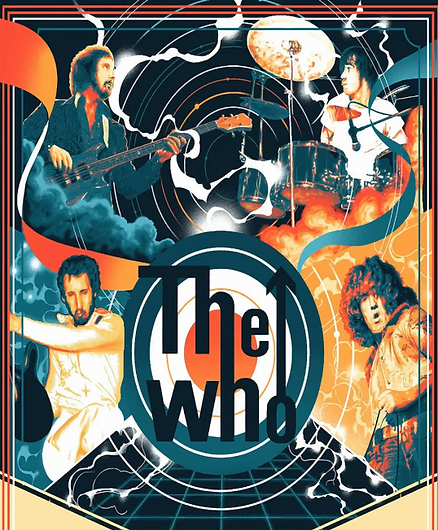
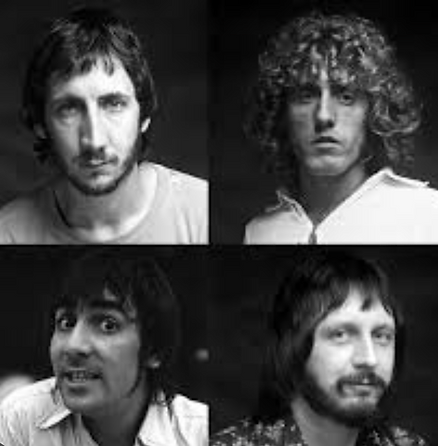
Comprising Roger Daltrey, Pete Townshend, John Entwistle, and Keith Moon, the band forged a path that would define the sound and spirit of a generation.
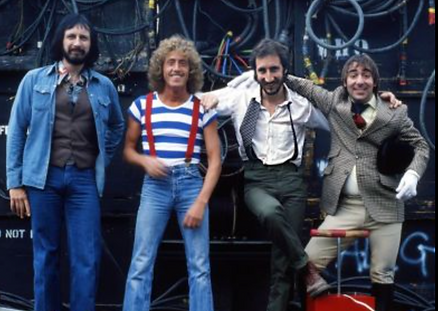
The Who’s roots trace back to post-war London, where Roger Daltrey’s group, The Detours, first brought together guitarist Pete Townshend and bassist John Entwistle.
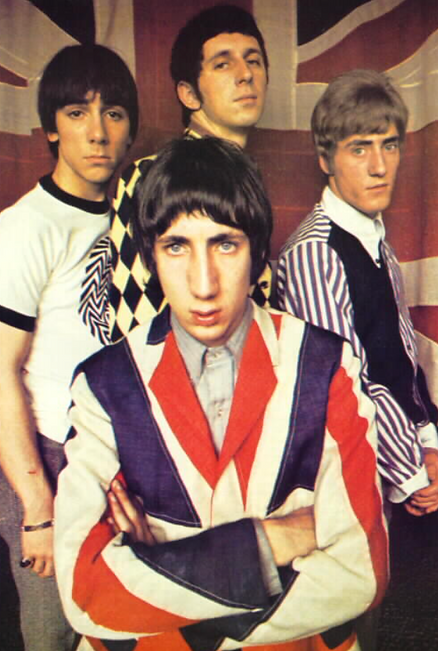
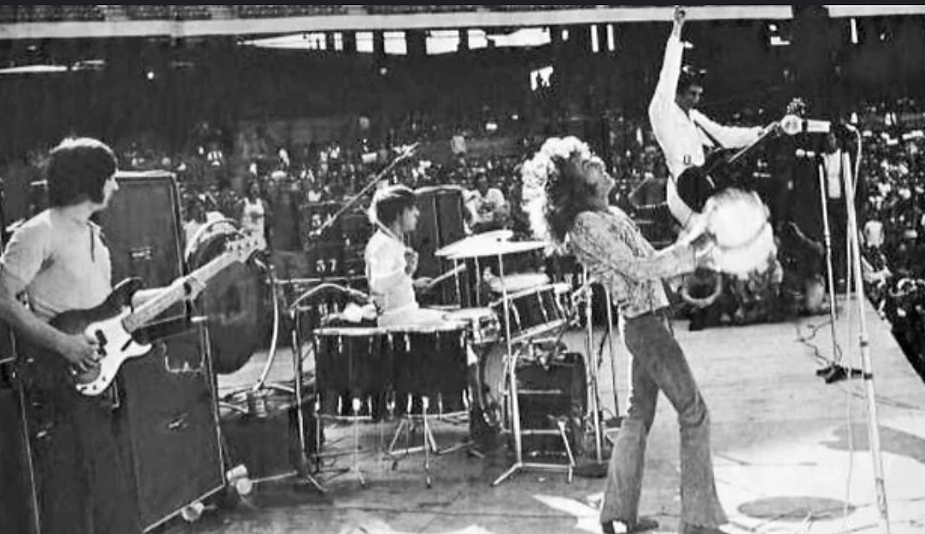
When drummer Keith Moon joined in 1964, the lineup was complete, and the band rebranded as The Who. Their early sound drew heavily from rhythm and blues, but their raw energy and willingness to experiment set them apart.
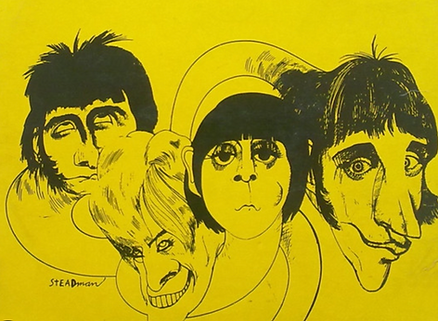
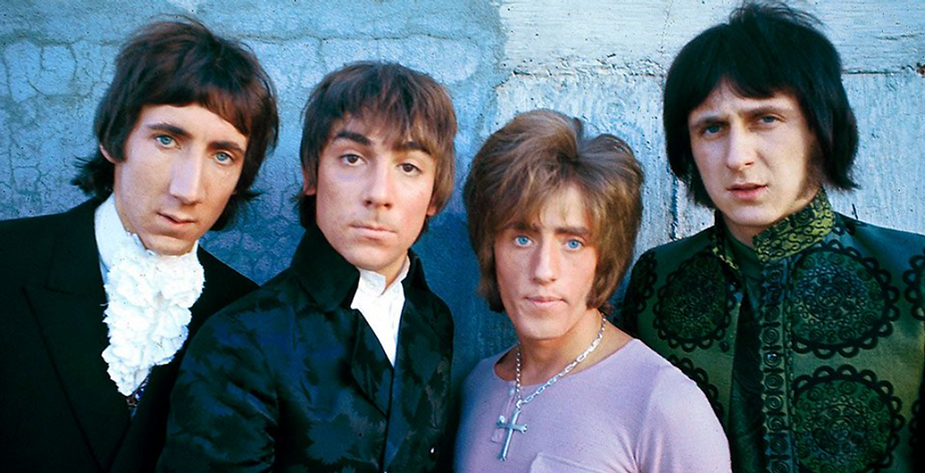
The release of their debut single, "I Can't Explain," in 1965 marked the beginning of their rise to fame. It was followed by hits like "My Generation," an anthem of youthful defiance that captured the zeitgeist of the 1960s. With lines like "Hope I die before I get old," the song resonated deeply with the mod subculture and established The Who as spokespeople for disaffected youth.
Pete Townshend’s creative ambition elevated The Who beyond a typical rock band. The group’s 1969 album "Tommy" introduced the world to the concept of the rock opera.
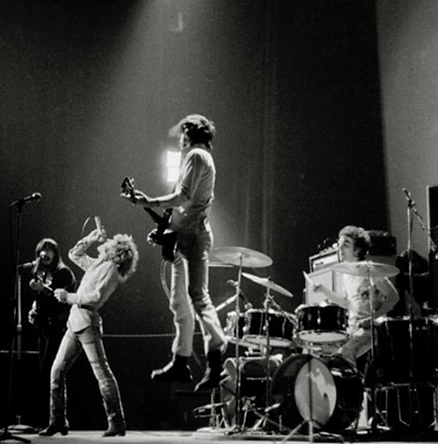
The story of a "deaf, dumb, and blind kid" who becomes a pinball champion, Tommy was both a critical and commercial success. Its ambitious narrative and genre-defying sound proved that rock music could be a vehicle for complex storytelling.
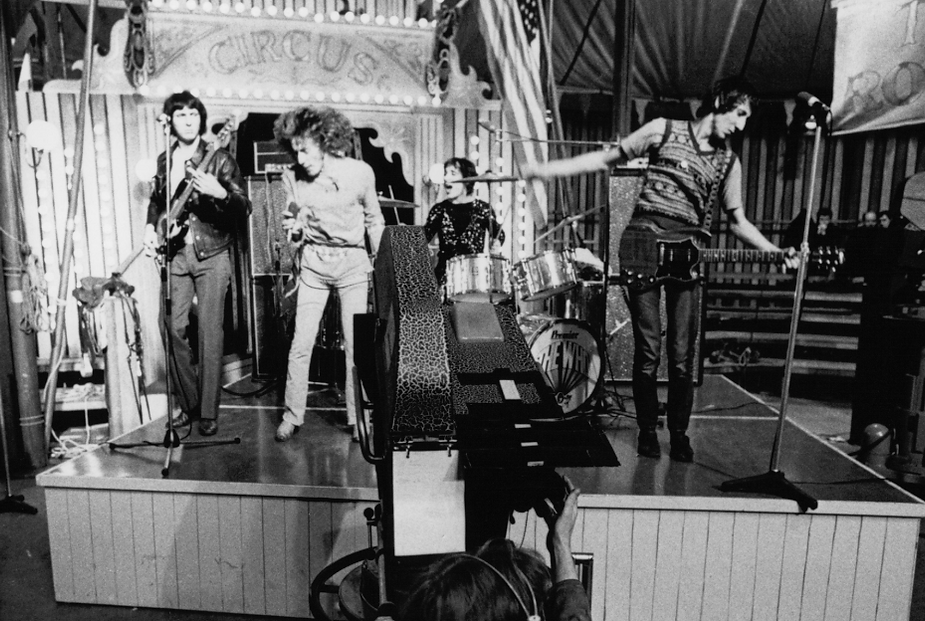
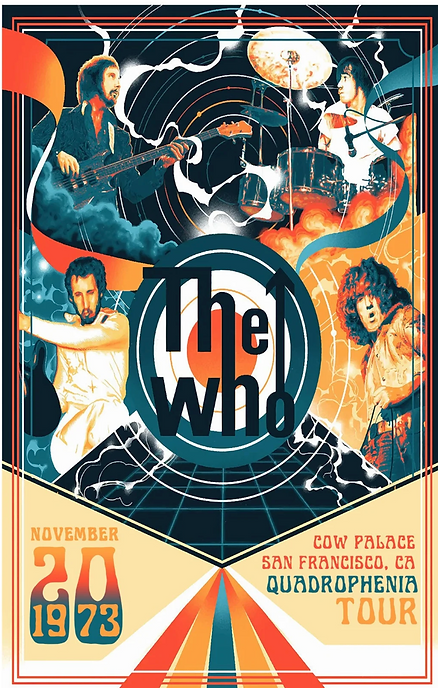
Tommy laid the groundwork for other landmark albums, including "Quadrophenia" (1973), another rock opera that explored themes of identity, rebellion, and alienation through the lens of the mod culture. The Who’s ability to weave intricate narratives into their music set them apart from their contemporaries and inspired countless artists.
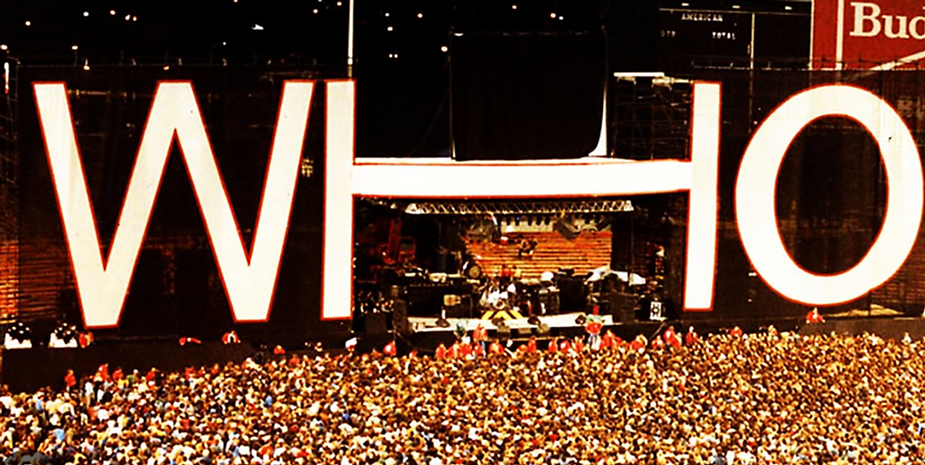
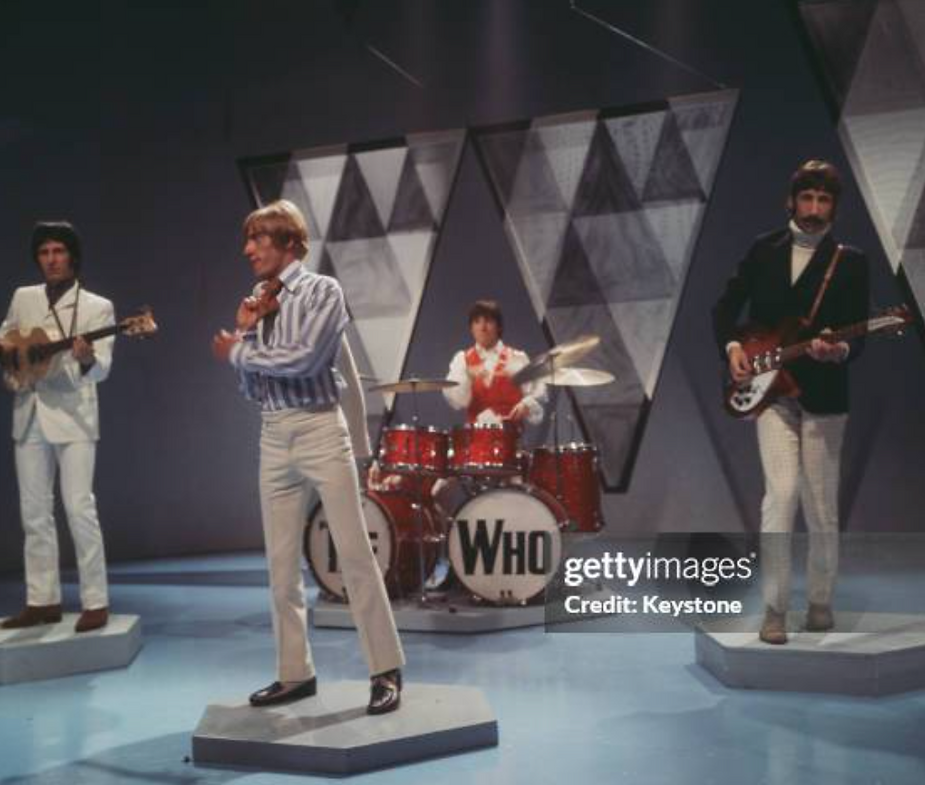
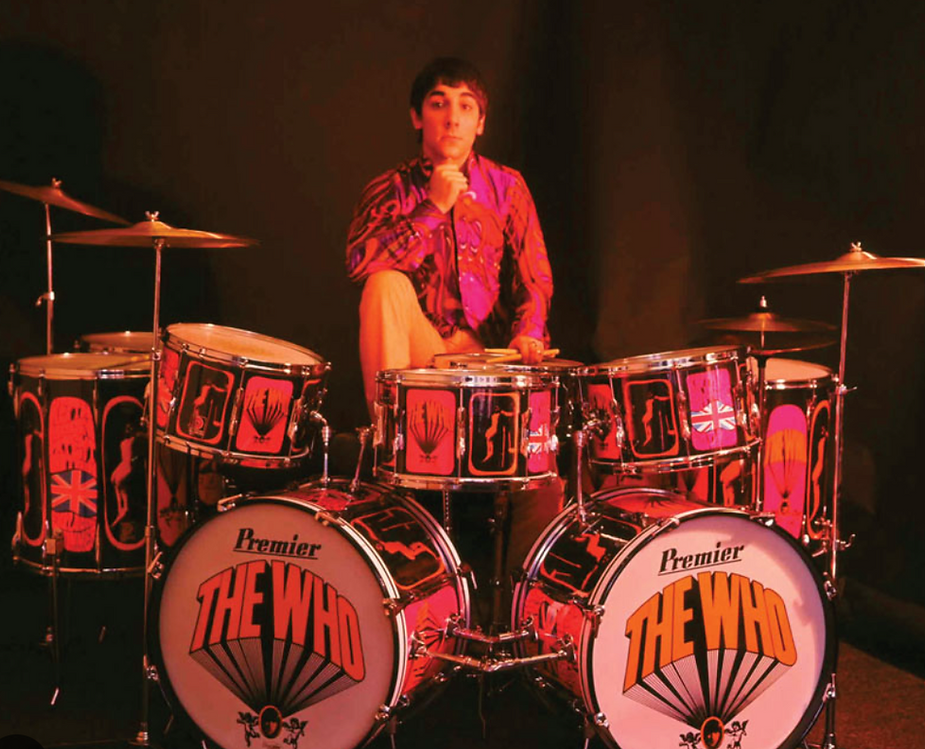
At the heart of The Who’s sound was Keith Moon, whose drumming was as chaotic as it was brilliant.
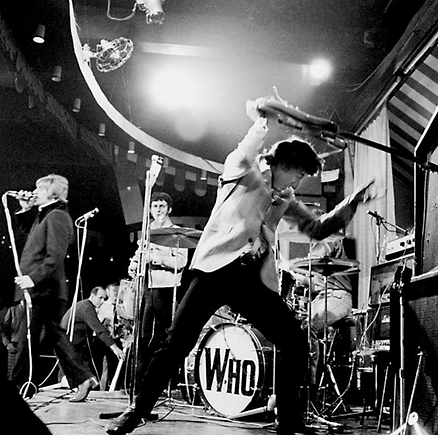
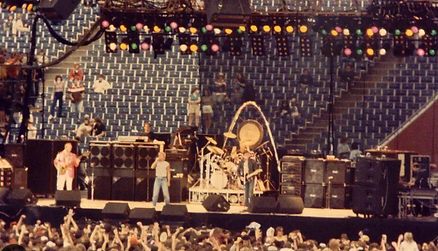
Known as "Moon the Loon," his explosive energy behind the drum kit was matched only by his offstage antics. Moon’s unorthodox playing style—eschewing traditional rhythms for a whirlwind of fills and flourishes—redefined what a drummer could contribute to a band.
Moon’s larger-than-life personality often led to destruction, from smashing drum kits on stage to demolishing hotel rooms. Yet, his contributions to songs like "Baba O’Riley" and "Won’t Get Fooled Again" were integral to The Who’s sound. His tragic death in 1978, at the age of 32, marked the end of an era for the band.
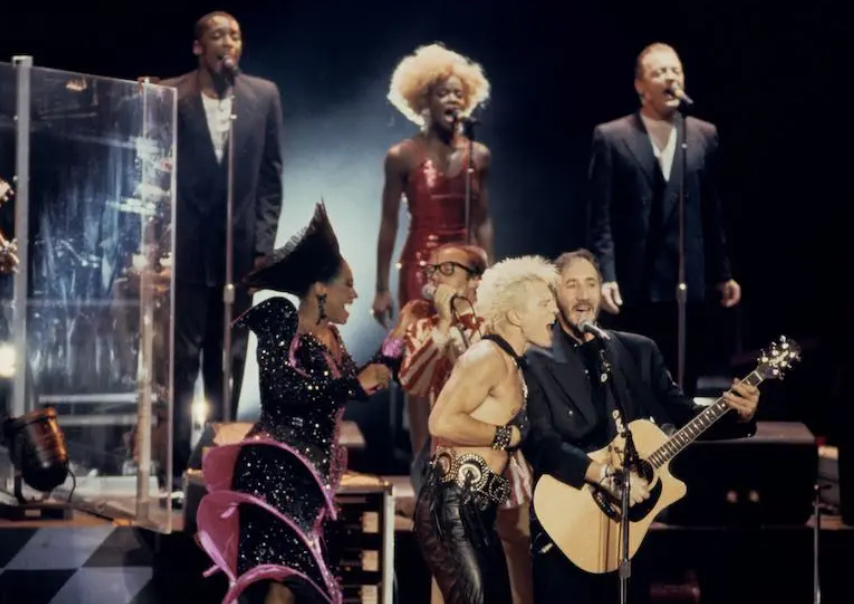
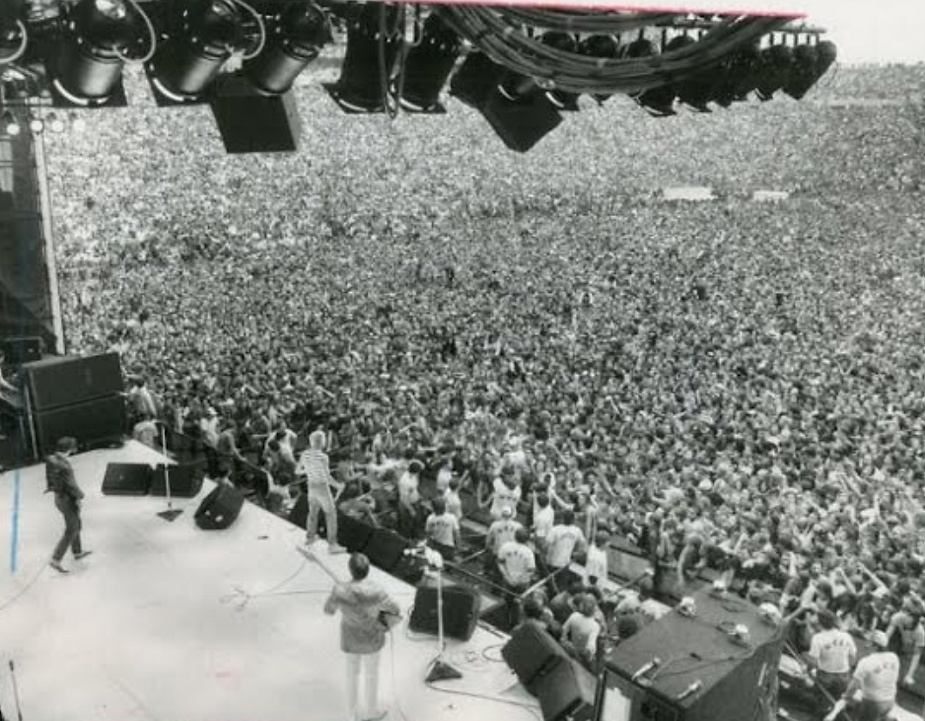
Following Moon’s death, The Who faced an uncertain future. They recruited drummer Kenney Jones of the Small Faces to fill Moon’s place, but the chemistry was never quite the same. The band released two albums in the early 1980s, "Face Dances" (1981) and "It’s Hard" (1982), before embarking on what was billed as a farewell tour in 1982.
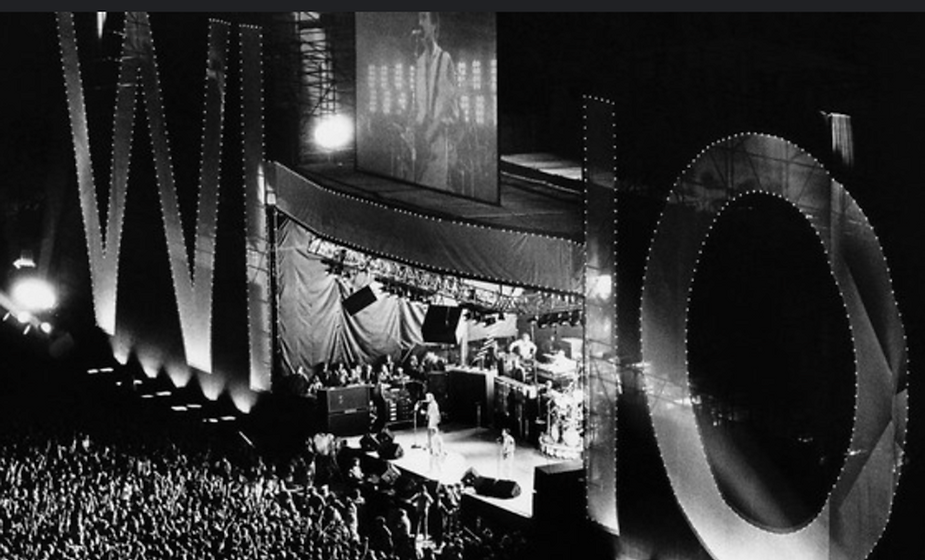
Despite their "farewell," The Who reassembled for various events, including the Live Aid concert in 1985. They officially reunited in the late 1990s, with Zak Starkey—son of Ringo Starr and a disciple of Keith Moon—taking over on drums. In 2006, they released "Endless Wire," their first album of new material in over two decades.
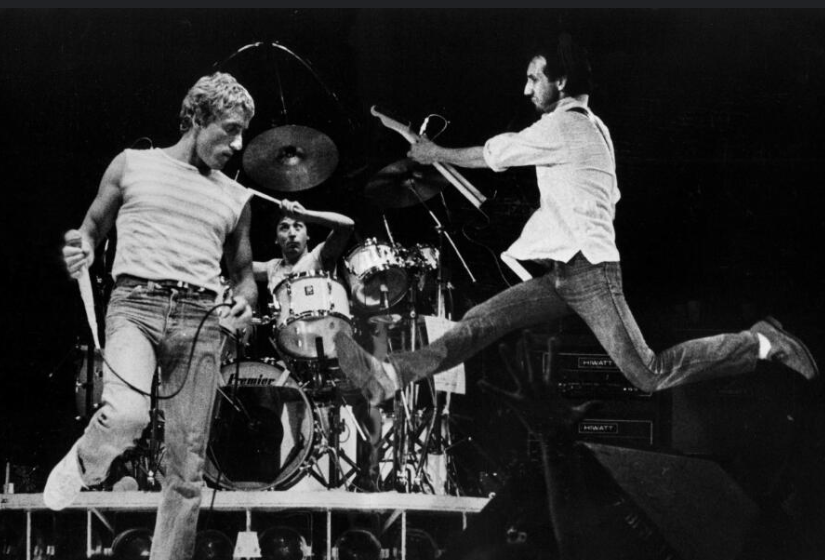
The Who’s influence on rock ‘n’ roll cannot be overstated. They pioneered the art of the concept album, introduced theatricality to rock performances, and pushed the boundaries of what rock music could achieve. Their live shows, known for their energy and destruction of instruments, set the standard for rock concerts.
Bands like Led Zeppelin, The Clash, and Pearl Jam have cited The Who as a major influence, while their use of synthesizers and power chords shaped the sound of hard rock and punk. Songs like "My Generation" and "Baba O’Riley" continue to resonate, inspiring new generations of musicians and fans.
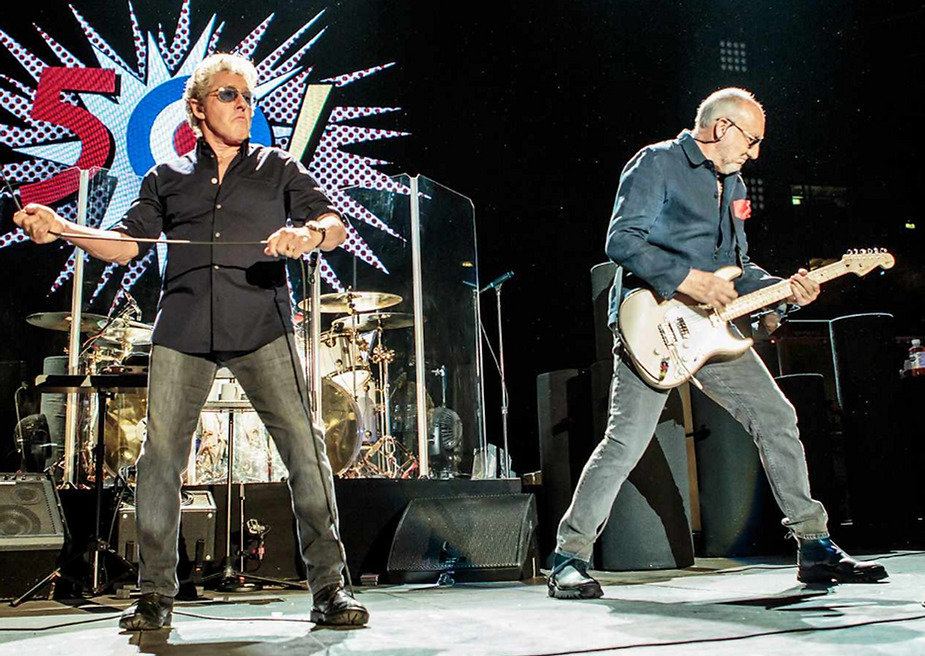
Today, The Who’s surviving members, Roger Daltrey and Pete Townshend, carry the band’s legacy forward. They continue to tour, performing both classic hits and new material to audiences worldwide. Their enduring appeal lies in their ability to connect with listeners on a visceral level, blending raw power with emotional depth.
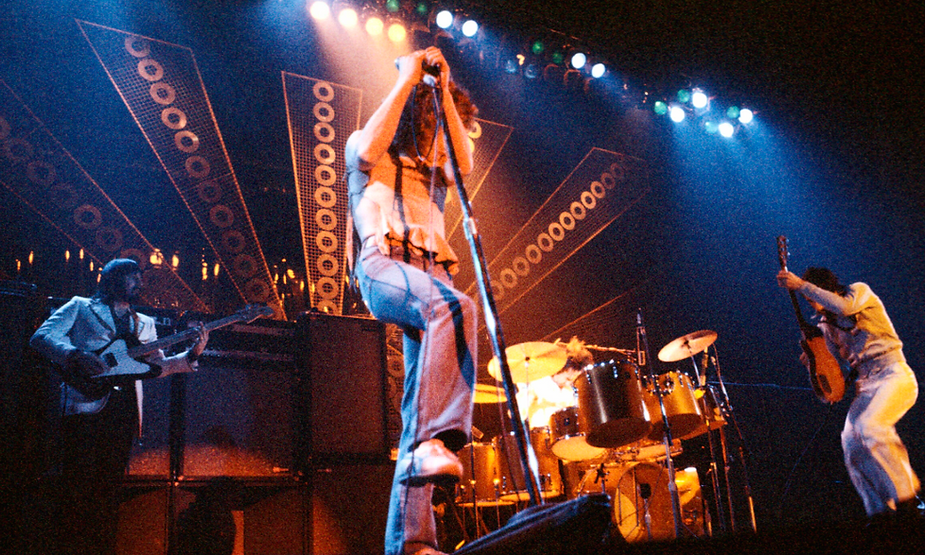
The Who distinguished themselves from other rock 'n' roll bands in several unique ways, making them trailblazers in the genre. Here are some key points that set them apart:
The Who popularized the concept of destroying instruments during live performances. Pete Townshend smashing guitars and Keith Moon obliterating drum kits became iconic symbols of rebellion and chaos, turning their shows into high-energy spectacles that went beyond music.
Unlike many rock bands focused solely on singles or thematic albums, The Who embraced the concept album as a storytelling medium. With works like Tommy and Quadrophenia, they elevated rock music into a platform for complex narratives, paving the way for others like Pink Floyd (The Wall) and Green Day (American Idiot).
Keith Moon redefined drumming by breaking traditional roles. Instead of acting as a metronomic timekeeper, his playing was wild, unpredictable, and melodic, serving as a lead instrument rather than a backdrop. His style has been imitated but never matched.
The Who balanced visceral, high-energy performances with cerebral themes. Pete Townshend’s songwriting often explored deep topics like identity, alienation, and generational angst, giving their music a layered depth that appealed to both raw emotion and intellectual curiosity.
The Who were pioneers of modern live sound technology. They were one of the first bands to use massive PA systems and experiment with onstage monitoring, which revolutionized live concerts. Their 1970 album Live at Leeds is still considered one of the greatest live recordings of all time.
The Who seamlessly integrated synthesizers into rock music, particularly on tracks like “Baba O’Riley” and “Won’t Get Fooled Again.” Unlike many bands that used synthesizers as mere effects, The Who turned them into driving forces within their music, adding layers of texture and innovation.
Each member of The Who was an exceptional musician:
While many rock bands wrote about love or rebellion in broad terms, The Who became the voice of the mod subculture and youth disillusionment. Songs like “My Generation” and Quadrophenia directly spoke to societal changes, making them cultural icons rather than just entertainers.
The Who have endured for decades, evolving with the times while maintaining their core identity. Few bands from their era have continued to produce and perform with such authenticity and relevance.
Their electrifying live shows went beyond just playing music; they were immersive experiences. The Who treated every performance like an art form, incorporating theatricality, intensity, and technical precision.
In short, The Who were not just a rock band—they were architects of what rock music could be, blending innovation, emotion, and sheer power in a way no other group had before. Their unique combination of intellect, energy, and showmanship set them apart as one of the greatest and most distinctive bands in rock history.
The Kenny Jones era of The Who, spanning from 1979 to 1988, marked a transitional phase in the band’s history. After the tragic death of Keith Moon in 1978, The Who faced the daunting challenge of continuing without their iconic and irreplaceable drummer. Kenny Jones, formerly of the Small Faces and Faces, stepped in to fill the role. While this era is often viewed as a departure from the raw chaos of the Moon years, it was also a time of evolution and experimentation for the band.
Kenny Jones joined The Who after a period of uncertainty about the band’s future. Unlike Keith Moon’s frenetic and unpredictable drumming style, Jones brought a more steady and disciplined approach. His experience with the Faces had already established him as a respected drummer, but his style was markedly different—more restrained and precise, which changed the dynamic of The Who’s sound.
During the Kenny Jones era, The Who released two studio albums:
Jones played with The Who during some of their most significant tours, including the 1979 “Farewell Tour” (despite their later reunions) and major performances like the Concert for Kampuchea. His steady presence allowed the band to maintain their live reputation, even as the performances became more structured compared to the unpredictable energy of the Keith Moon era.
The reception to Kenny Jones’ drumming was mixed. While he was a talented and accomplished musician, some fans and critics felt he lacked the wild, anarchic spark that Keith Moon brought to the band. Pete Townshend later remarked that Jones was an excellent drummer but didn’t quite fit The Who’s high-octane, explosive style. This mismatch was most apparent during live performances, where Jones’ more measured approach contrasted with the unrestrained chaos that fans had come to expect.
The 1980s were a difficult period for The Who. Tensions among band members began to rise, particularly as Pete Townshend grappled with substance abuse and a sense of creative burnout. The band’s dynamic became strained, and their cohesion as a group began to falter. Despite these challenges, they continued to tour and release music, but their output during this era did not achieve the critical acclaim of their earlier work.
In 1983, Pete Townshend announced he was leaving The Who, effectively putting the band on hiatus. While The Who would reunite several times in subsequent decades, Kenny Jones was not included in the lineups for their major comebacks. Instead, Zak Starkey, son of Ringo Starr and a student of Keith Moon, became the band’s go-to drummer, bringing a style more aligned with Moon’s legacy.
Though the Kenny Jones era is often overshadowed by the iconic Keith Moon years, it remains an essential chapter in The Who’s story. It demonstrated the band’s resilience in the face of tragedy and their willingness to evolve. Albums like Face Dances and It’s Hard may not have reached the legendary status of Who’s Next or Tommy, but they contain memorable songs that showcased The Who’s adaptability.
Jones’ tenure also highlighted the enormous impact Moon had on The Who’s identity. His absence underscored just how much his drumming and personality had shaped the band’s sound and ethos. While Jones brought professionalism and stability, Moon’s chaotic brilliance was irreplaceable.
Today, the Kenny Jones era is often appreciated for what it was: a necessary, if imperfect, chapter in the band’s journey, and a testament to their determination to move forward despite immense challenges.
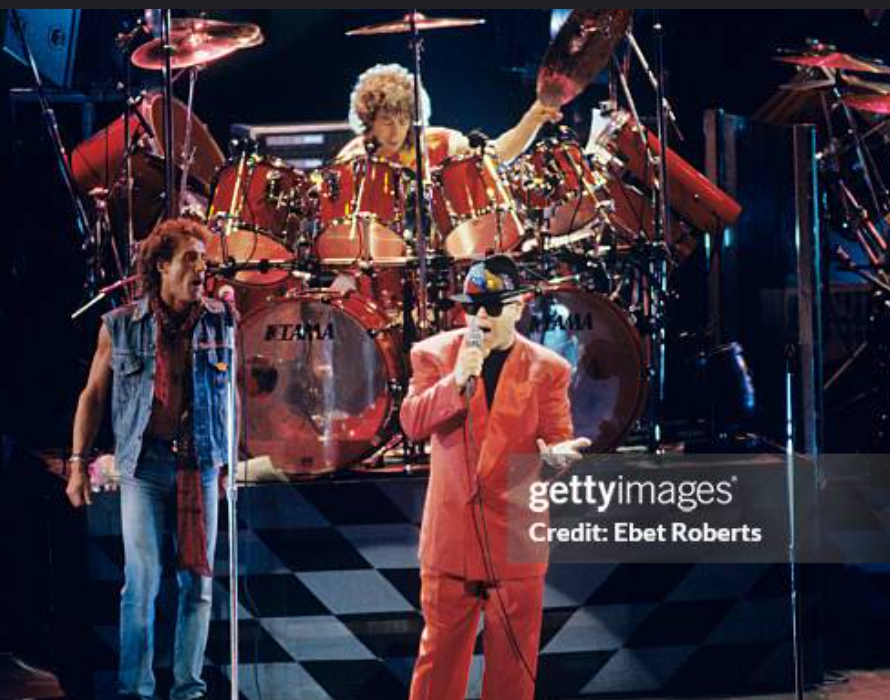
After Kenny Jones’ tenure with The Who, which ended in the mid-1980s, the band went through several lineup changes for their subsequent reunions and tours. The most notable replacement in the drummer position, along with other touring musicians, helped redefine The Who's post-Jones era. Here’s a breakdown of the key members who followed Kenny Jones:
To round out their sound in later years, The Who incorporated additional musicians:
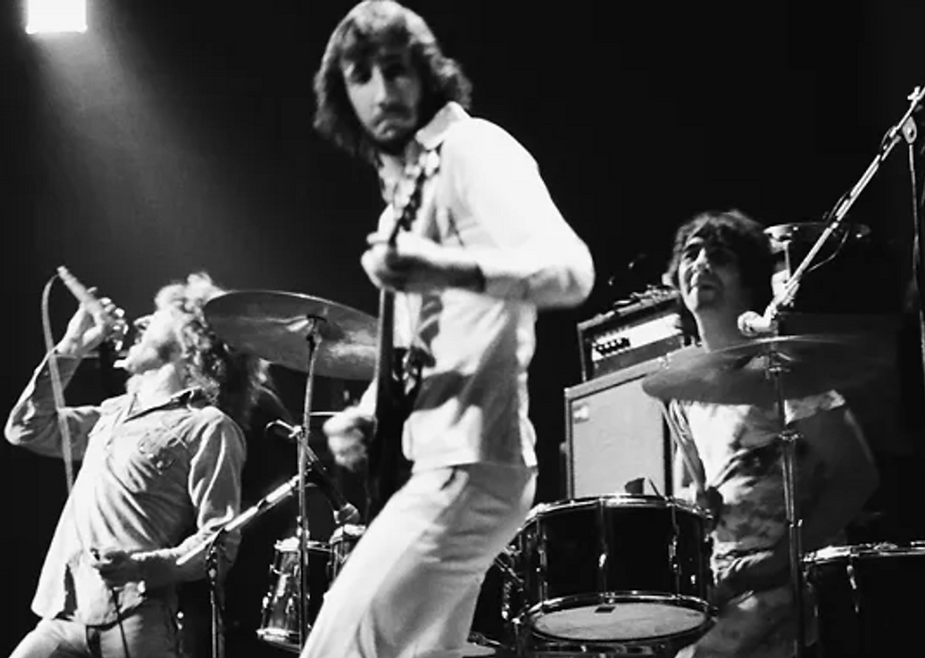
Throughout these changes, Roger Daltrey (vocals) and Pete Townshend (guitar, vocals, songwriting) have remained the heart of The Who. They continue to lead the band, ensuring its legacy as one of the most influential rock bands in history.
With Zak Starkey anchoring the drums and a talented supporting cast, The Who has successfully evolved their live performances while respecting their roots. They remain active, with new music and extensive tours that celebrate their enduring legacy.

The Who’s story is one of resilience and reinvention. From their early days as mods to their status as rock icons, they have left an indelible mark on music history. As they continue to perform, their legacy reminds us of the transformative power of rock ‘n’ roll—a power that The Who helped define and continues to embody.
"Meet the new boss, same as the old boss…"
-fotor-bg-remover-20251210165637.webp)


