-fotor-bg-remover-20251211141935.webp)
-fotor-bg-remover-20251211143525.webp)
The Beatles’ story is nothing short of extraordinary. Emerging from the working-class city of Liverpool, England, they became the most influential and iconic band in history, forever changing the landscape of music, culture, and popular art.
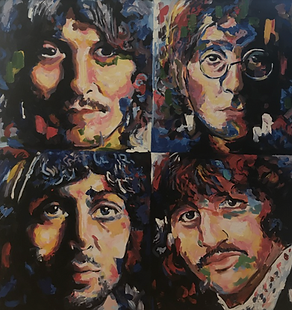
John Lennon, Paul McCartney, George Harrison, and Ringo Starr—four young men from modest beginnings—first crossed paths in the late 1950s. Originally known as The Quarrymen, the group played skiffle and rock 'n' roll, drawing influence from the likes of Chuck Berry, Elvis Presley, and Buddy Holly.
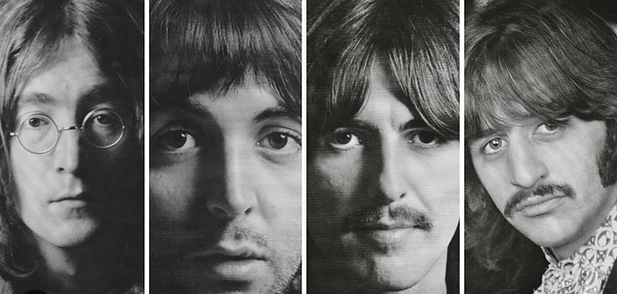
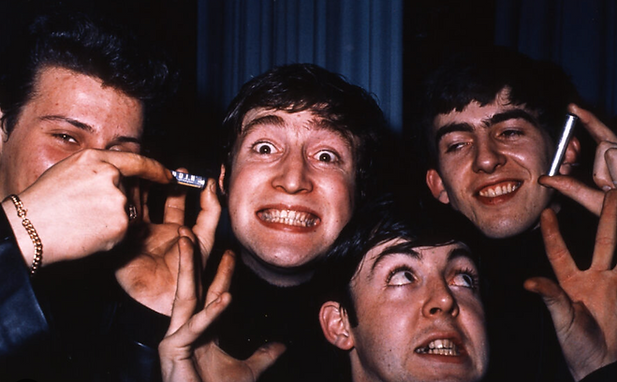
With the addition of George Harrison and later drummer Ringo Starr, they became The Beatles. Their time in Hamburg, Germany, playing relentless gigs, shaped their stage presence, honed their musical skills, and forged an unbreakable camaraderie.
In 1962, with Brian Epstein as their manager and George Martin as their producer, The Beatles signed with EMI and released their first single, Love Me Do. This was followed by Please Please Me, which catapulted them to fame in the UK. Their first album, Please Please Me, was recorded in a single day and marked the beginning of "Beatlemania."
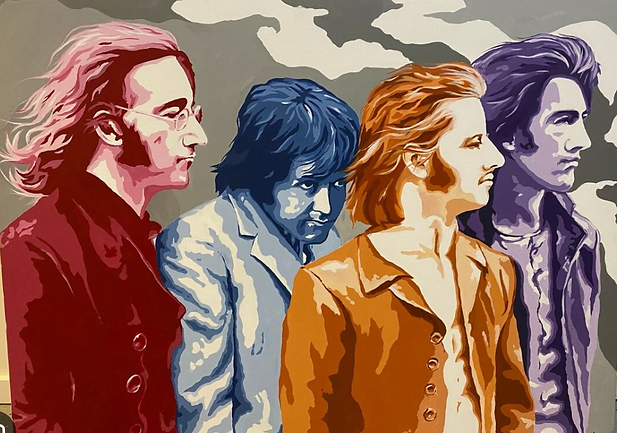
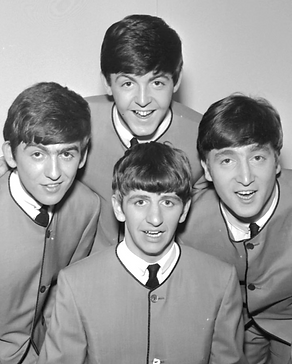
The Beatles' early years were defined by catchy, energetic tracks such as I Want to Hold Your Hand, She Loves You, and All My Loving. Their American debut on The Ed Sullivan Show in 1964 launched them into international superstardom. They topped the charts repeatedly, dominating the world stage like no band before or since.
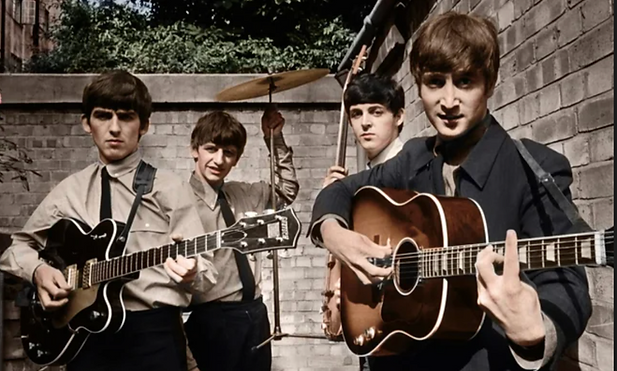
The Beatles drew heavily from American music, covering tracks from Motown, Stax, and early rock and roll legends. They performed hits like Twist and Shout (The Isley Brothers), You Really Got a Hold on Me (The Miracles), and Please Mr. Postman (The Marvelettes).
Their deep admiration for artists like Chuck Berry, Little Richard, and Ray Charles played a pivotal role in their musical foundation, while their interpretations infused these songs with their unique charm.
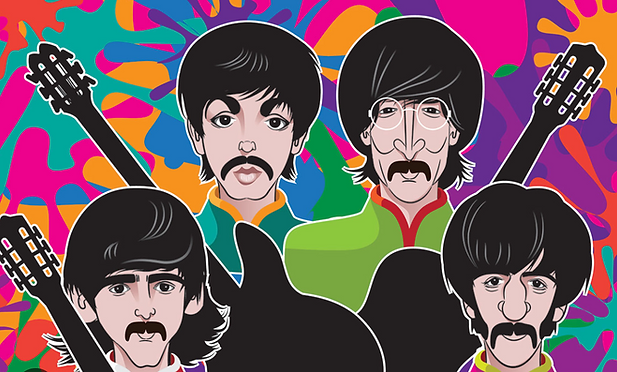
By the mid-1960s, The Beatles began to evolve beyond their pop roots, experimenting with new sounds, concepts, and themes. Albums like Rubber Soul and Revolver marked the beginning of this transformation, with songs like Norwegian Wood and Tomorrow Never Knows showcasing their growing artistic ambitions.
The pinnacle of their psychedelic exploration was 1967’s Sgt. Pepper's Lonely Hearts Club Band. This groundbreaking album redefined what an album could be, featuring iconic tracks like Lucy in the Sky with Diamonds and A Day in the Life. The Beatles became not just musicians but cultural pioneers, influencing fashion, art, and philosophy during the counterculture revolution.
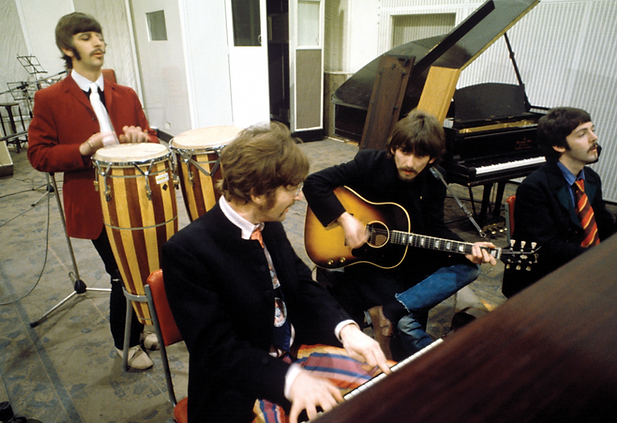
In their final years, The Beatles produced some of their most enduring work. The White Album (1968) showcased their individual creative directions, while Abbey Road (1969) included classics like Come Together and Here Comes the Sun. Their last album, Let It Be (1970), was released after the band had officially broken up.
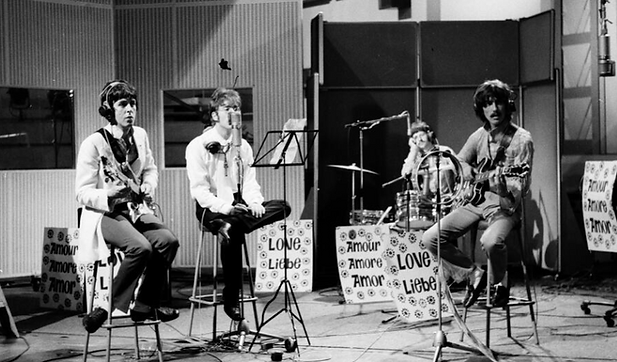
The breakup was a result of growing tensions, diverging creative interests, and personal challenges. Each member embarked on solo careers, with John Lennon producing politically charged works, Paul McCartney founding Wings, George Harrison achieving success with All Things Must Pass, and Ringo Starr carving out a niche in pop-rock.
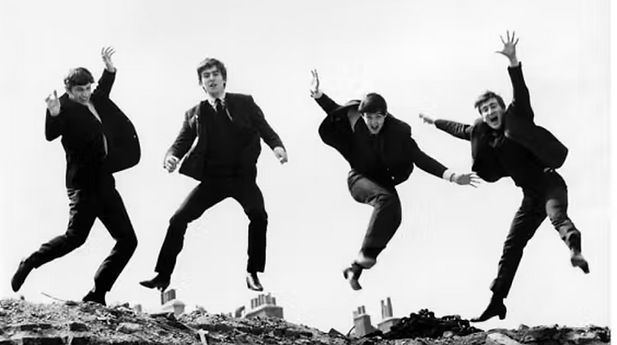
Tragedy struck with the assassination of John Lennon in 1980, and George Harrison's death from cancer in 2001. Yet, their legacy remains timeless, carried on by Paul and Ringo, who continue to perform and celebrate their shared history.
The Beatles influenced virtually every band that followed, from The Rolling Stones and Fleetwood Mac to modern artists like Oasis, Radiohead, and Coldplay. Their groundbreaking approach to songwriting, recording, and performing reshaped the music industry. They pioneered the concept of the album as an art form, the use of the studio as an instrument, and the blending of diverse musical genres.
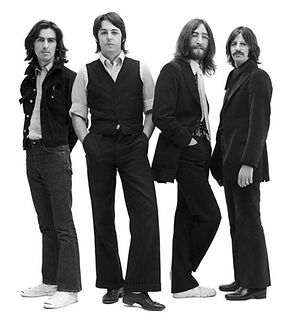
No other band has matched their cultural impact, innovation, or global reach. They didn’t just make music—they shaped the soundtrack of an entire generation and remain an enduring symbol of creativity and unity.
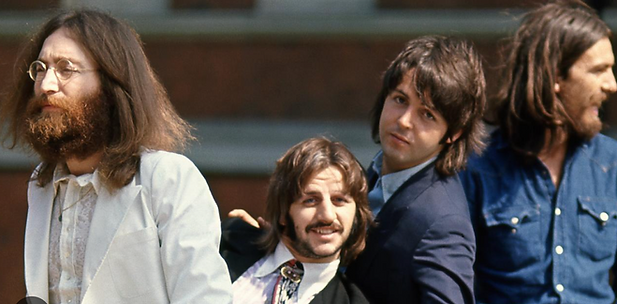
The Beatles will forever be remembered as the band that revolutionized music, inspired countless artists, and brought joy to millions. Their story is one of brilliance, perseverance, and unparalleled influence—a legacy that will never fade.
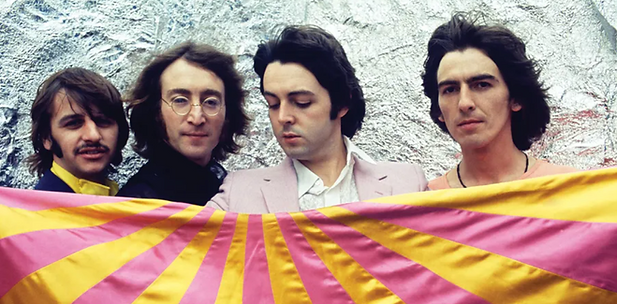
The Beatles were musical chameleons, blending and redefining various genres to create timeless pop hits. Their ability to adapt, innovate, and integrate diverse musical styles into their work was one of the key factors that set them apart from other bands and cemented their legendary status. Here’s a breakdown of the genres they explored and how they transformed them into iconic pop songs:
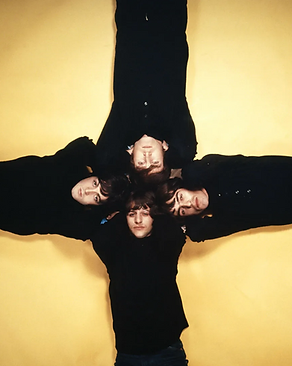
Examples: Twist and Shout, I Saw Her Standing There, Roll Over BeethovenThe Beatles started with rock and roll roots, drawing heavily from pioneers like Chuck Berry, Little Richard, and Elvis Presley. They infused the high-energy beats and vocal-driven melodies with their harmonies and charisma, crafting songs that were both raw and polished enough for mass appeal.
Examples: You Really Got a Hold on Me (The Miracles), Please Mr. Postman (The Marvelettes)They covered several Motown and R&B tracks, paying homage to American soul. Their renditions added a distinctly British charm while staying true to the spirit of the originals. Later, they infused soul elements into their own compositions, like Drive My Car.
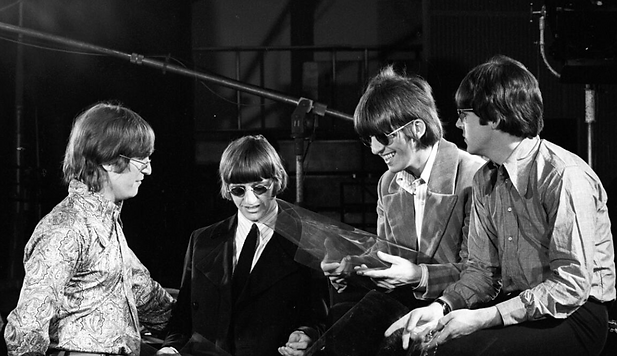
Examples: Norwegian Wood, BlackbirdHeavily inspired by Bob Dylan, The Beatles explored folk music with introspective lyrics and acoustic instrumentation. Songs like Norwegian Wood showcased their storytelling abilities, while Blackbird blended social consciousness with a simple, heartfelt melody, turning folk themes into universal pop anthems.
Examples: Lucy in the Sky with Diamonds, Strawberry Fields Forever, A Day in the LifeThey pioneered psychedelic rock, pushing boundaries with surreal lyrics, experimental instrumentation, and studio effects. Songs like Strawberry Fields Forever fused ethereal soundscapes with accessible melodies, creating a perfect balance of experimentation and pop sensibility.
Examples: Eleanor Rigby, YesterdayThe Beatles incorporated orchestral arrangements and classical influences into their music. Yesterday featured a string quartet, and Eleanor Rigby was driven by a dramatic string arrangement, making classical music elements digestible for mainstream audiences.
Examples: Within You Without You, Norwegian Wood (intro)Under the influence of George Harrison, The Beatles embraced Indian music, incorporating sitar, tabla, and Indian scales. While their forays into this genre were deeply rooted in traditional techniques, they simplified and blended them into pop contexts, making the sounds of India resonate globally.
Examples: Helter Skelter, RevolutionThe Beatles ventured into harder, louder territory with songs like Helter Skelter, which is often regarded as a precursor to heavy metal. Their ability to maintain melodic hooks even in chaotic, aggressive tracks demonstrated their mastery of genre-blending.
Examples: Act Naturally, Rocky RaccoonThe Beatles dipped into country music, showcasing twangy melodies and storytelling lyrics. They honored the genre while injecting their distinct wit and British flavor, making tracks like Rocky Raccoon universally appealing.
Examples: Something, Let It Be, Hey JudeFew bands could craft emotional ballads with the universal appeal of The Beatles. Songs like Hey Jude featured heartfelt lyrics, sweeping melodies, and anthemic qualities that resonated with audiences of all ages.
Examples: Tomorrow Never Knows, Revolution 9They delved into avant-garde experimentation, particularly during the later years. Tracks like Tomorrow Never Knows used tape loops and unconventional structures, while Revolution 9 explored sound collage. Even in these experimental ventures, they managed to retain an accessible edge.
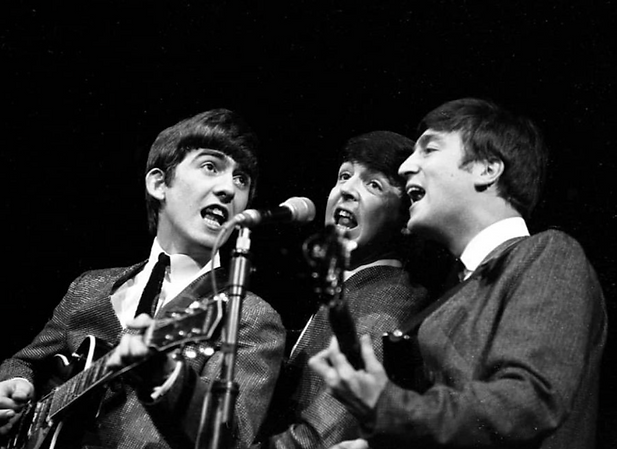
The Beatles’ ability to pull from every corner of the musical world and make it their own is unparalleled. They didn’t just excel within genres—they reinvented them, setting a precedent for genre-blending artists like David Bowie, Radiohead, and modern acts like Billie Eilish. Their influence ensures that their music remains timeless and continues to resonate with audiences worldwide.
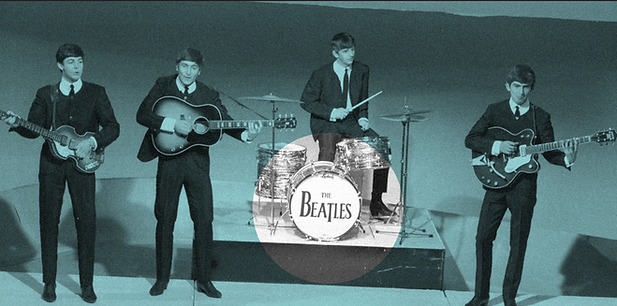
The Beatles’ influence on music, culture, and artistry is unmatched. They inspired countless artists across genres, from rock and pop to hip-hop and experimental music. Here's a breakdown of the artists they specifically influenced and how their impact has shaped the music industry:
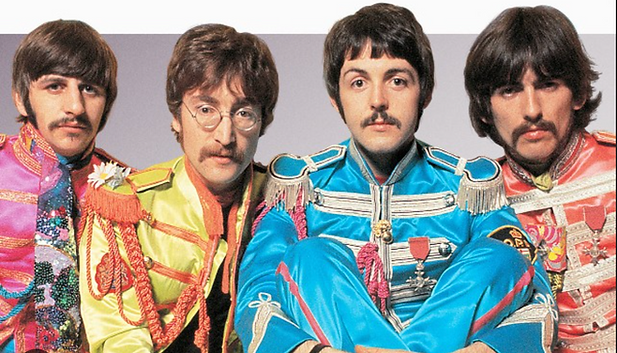
The Beatles had a significant influence on the Grateful Dead and the broader San Francisco music scene, despite their distinct differences in style. Here's a breakdown of how The Beatles impacted the Grateful Dead and other bands of the San Francisco movement:
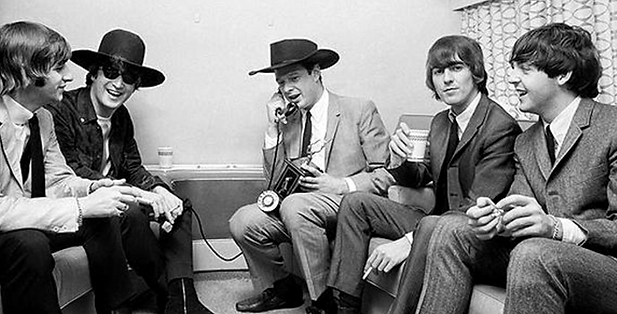
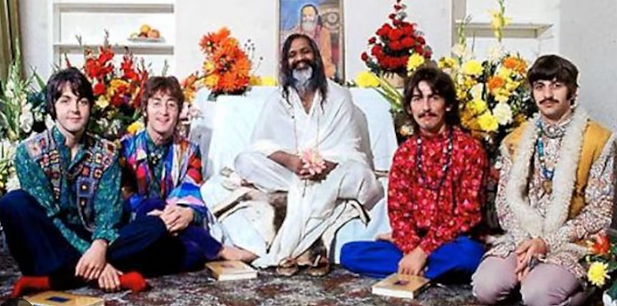
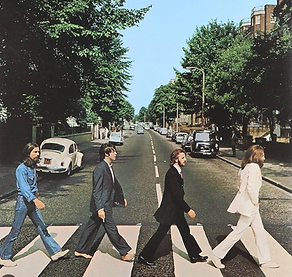
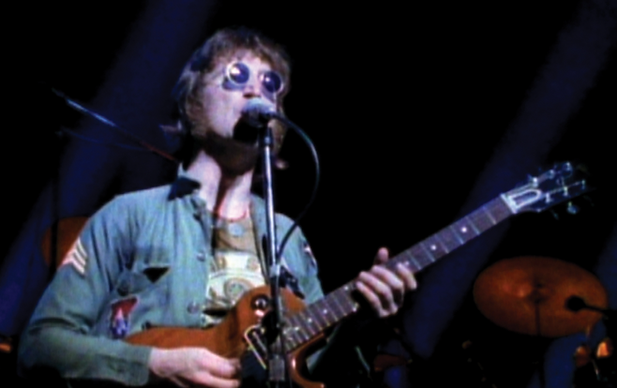
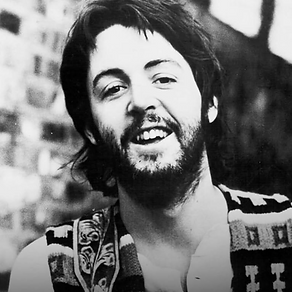
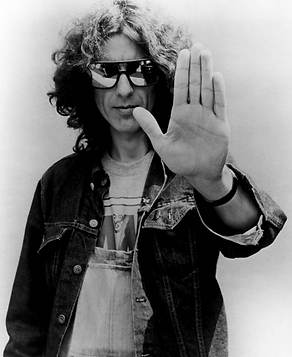
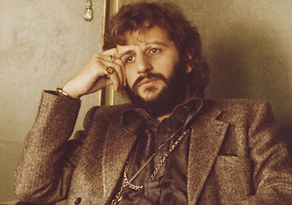
The Beatles didn’t just create music—they transformed it into an art form that could transcend boundaries. For the San Francisco bands, this legitimized their experimental ethos and encouraged them to be bold, creative, and authentic. The Grateful Dead and their contemporaries expanded on this foundation, creating a new wave of music that was both innovative and timeless.
The Beatles didn’t just create music—they created an ethos of artistic freedom, experimentation, and cultural resonance. They laid the groundwork for how music could transcend boundaries, making their influence as relevant today as it was during the height of Beatlemania.
While The Grateful Dead were contemporaries of The Beatles and eventually admired each other, there isn’t much evidence to suggest that The Grateful Dead directly influenced The Beatles musically. However, some indirect influences and connections are worth exploring:
The Grateful Dead and The Beatles were both central to the 1960s counterculture movement, though in different ways. The Beatles, being more global and mainstream, helped lay the groundwork for the countercultural ethos that the Dead would embrace and expand upon. By the time the Dead were emerging in San Francisco’s Haight-Ashbury scene, The Beatles had already transitioned from pop stars to cultural revolutionaries. This shared spirit may have resonated with The Beatles later in their careers, as they became more experimental.
Both bands delved into psychedelia during the same era. The Grateful Dead, living in the heart of the psychedelic scene in San Francisco, were among the pioneers of improvisational, acid-fueled music, deeply connected to the burgeoning counterculture. The Beatles’ Sgt. Pepper's Lonely Hearts Club Band (1967) and Magical Mystery Tour (1967) are often cited as defining psychedelic albums. While it’s unclear if The Beatles were directly inspired by the Dead’s psychedelic style, they were undoubtedly aware of and influenced by the same cultural and artistic shifts.
The Beatles and The Grateful Dead had mutual friends and associates within the music scene. For example:
Some of The Beatles’ later music, particularly on albums like Let It Be and Abbey Road, reflects a looser, more jam-oriented style in songs like I Want You (She’s So Heavy) and Get Back.
While The Beatles’ music was still far more structured than the Dead’s improvisational approach, it’s possible that the Grateful Dead’s live ethos subtly reinforced this tendency. Paul McCartney has spoken about how The Beatles admired the idea of live spontaneity, which was central to the Dead’s identity.
It is known that The Beatles were aware of the Grateful Dead, as the Dead were becoming a phenomenon in the late 1960s. Jerry Garcia once remarked that The Beatles were one of the few bands the Dead would consider covering, showing mutual respect.
While The Grateful Dead and The Beatles influenced the same cultural wave and admired each other, there isn’t concrete evidence to suggest that The Grateful Dead had a direct musical influence on The Beatles. Instead, both bands evolved in parallel, drawing from and contributing to the broader countercultural and musical revolution of the 1960s. Each left a profound and complementary legacy that continues to shape music and culture today.
-fotor-bg-remover-20251210165637.webp)


