-fotor-bg-remover-20251211141935.webp)
-fotor-bg-remover-20251211143525.webp)
Laika, the renowned stop-motion animation studio, has captivated audiences with its distinctive storytelling and visual artistry. Here's an overview of Laika's journey, highlighting its origins, notable films, and contributions to the animation industry.
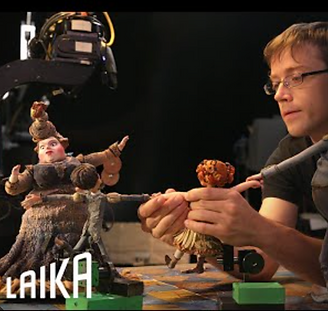
Origins and Formation
Laika's roots trace back to Will Vinton Studios, a pioneer in stop-motion animation known for projects like The Adventures of Mark Twain and the iconic California Raisins commercials. In the late 1990s, seeking to expand into feature-length films, the studio attracted investors, including Nike co-founder Phil Knight. His son, Travis Knight, joined as an animator. By 2002, Phil Knight had acquired the financially struggling studio, and in 2005, it was rebranded as Laika, named after the Soviet space dog.
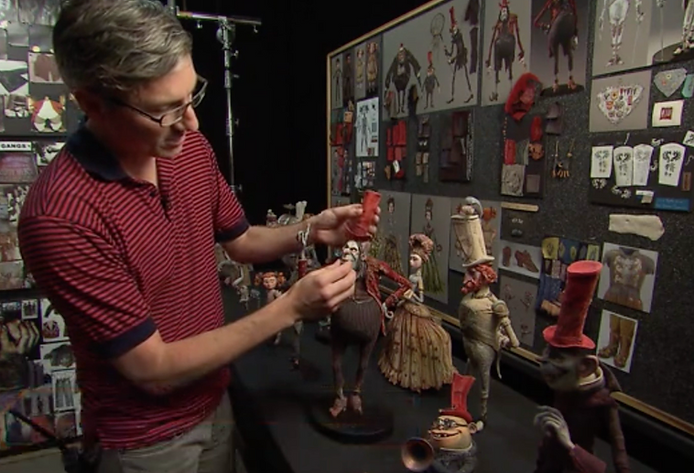

Early Projects and Breakthrough
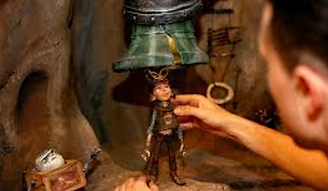
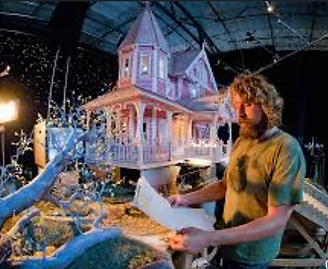
Under the new leadership, Laika focused on producing feature films that combined traditional stop-motion techniques with modern technology. Their first major release, Coraline (2009), directed by Henry Selick, was both a critical and commercial success, earning an Academy Award nomination for Best Animated Feature. This film showcased Laika's commitment to dark, imaginative storytelling and intricate craftsmanship.
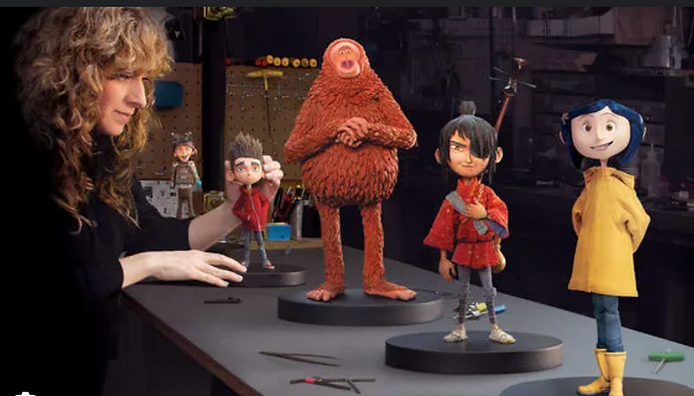
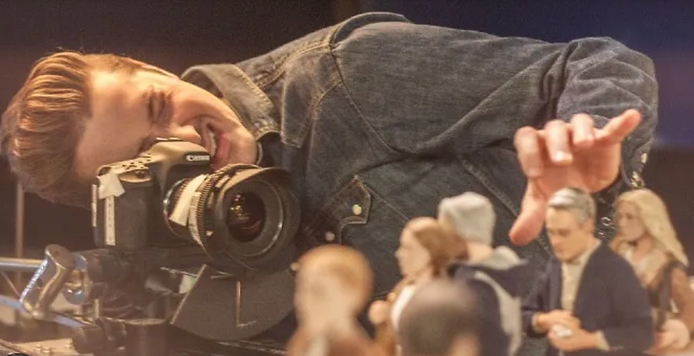
Subsequent Films
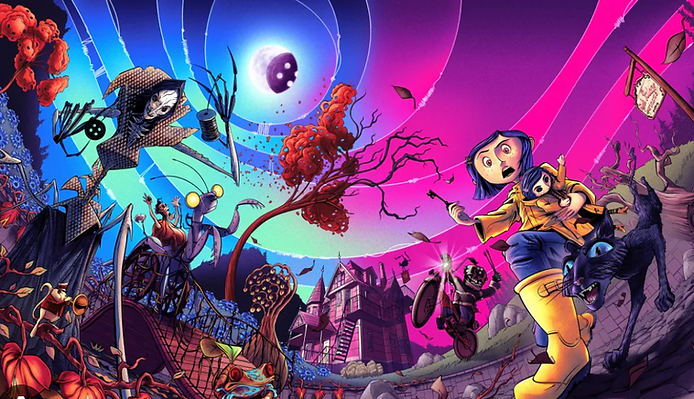
Following Coraline, Laika continued to produce acclaimed films:

Innovation and Techniques
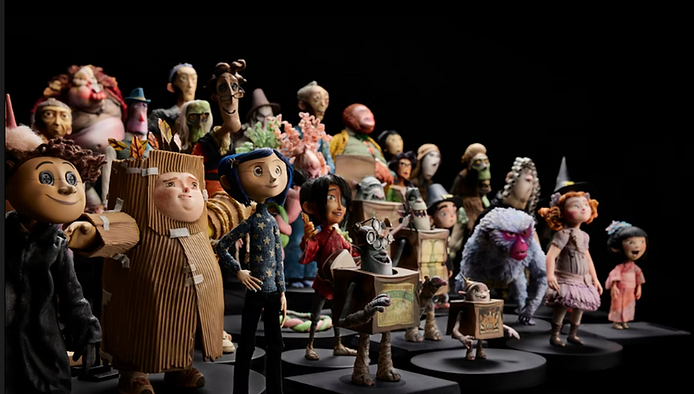
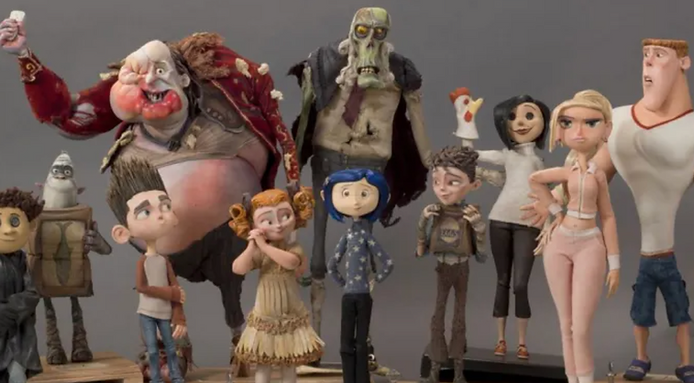
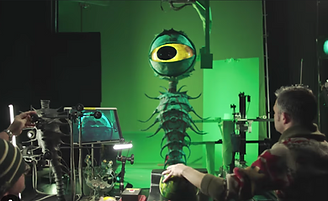
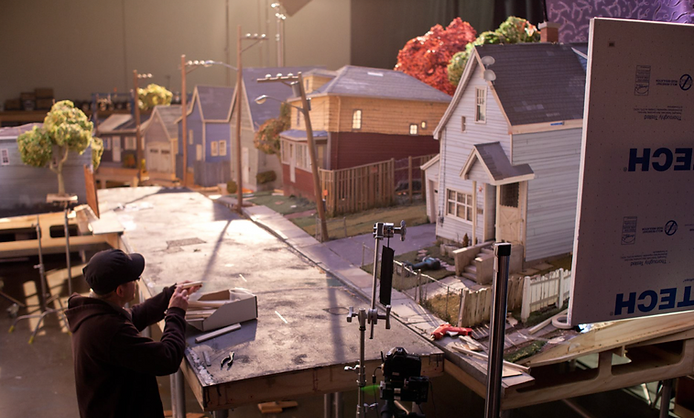
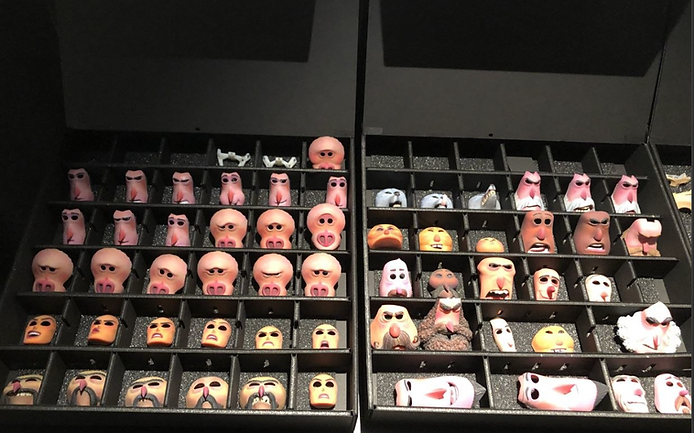
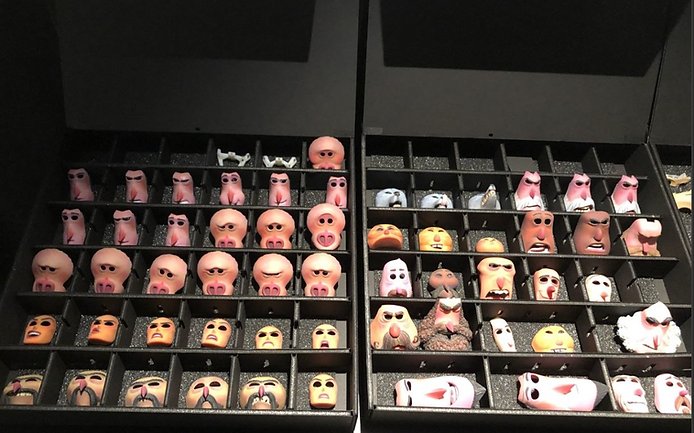
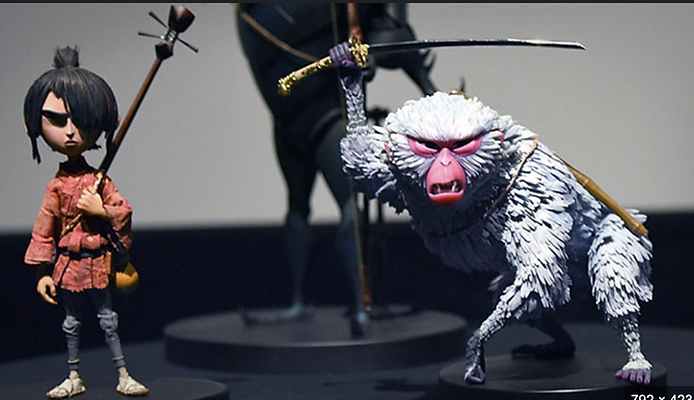
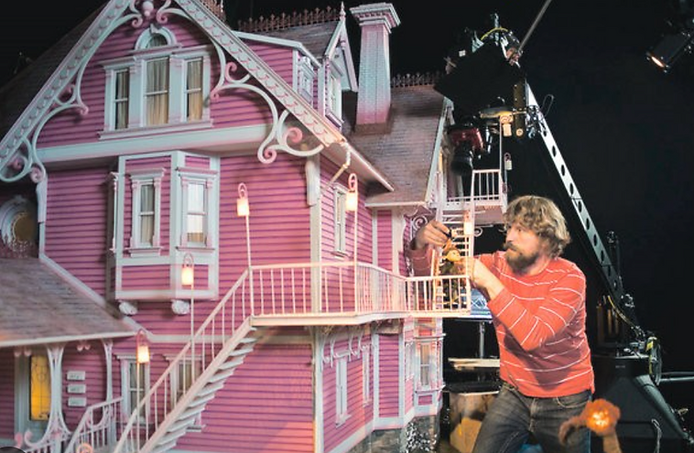
Laika is renowned for integrating traditional stop-motion animation with cutting-edge technology. They pioneered the use of 3D printing to create a vast array of facial expressions for their characters, enhancing emotional depth and nuance. This blend of artistry and innovation has set new standards in the animation industry.
Cultural Impact and Legacy
Laika's films are celebrated for their unique aesthetic, complex narratives, and willingness to explore darker themes, distinguishing them from mainstream animated features. Their dedication to the craft has inspired a renewed interest in stop-motion animation and demonstrated its viability in contemporary cinema.
Recent Developments
As of 2020, Laika employed approximately 362 individuals, continuing its commitment to producing high-quality animated films. The studio remains privately owned, with Phil Knight serving as Chairman and Travis Knight as President and CEO.
Laika Studios: Revolutionizing Stop-Motion
Animation with 3D Printing
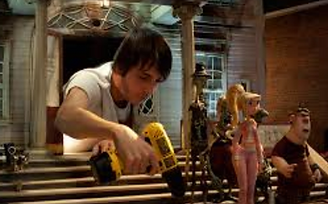
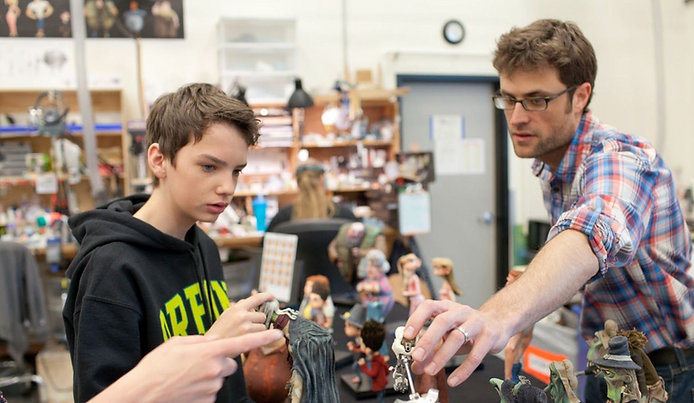
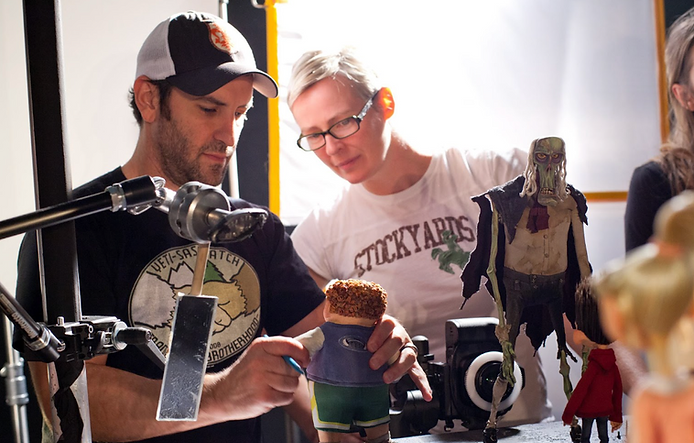
Laika Studios transformed stop-motion animation by merging traditional craftsmanship with cutting-edge technology, particularly 3D printing. This innovation redefined what was possible in character design, facial expressions, and storytelling, pushing the boundaries of stop-motion into the modern age.
Facial Animation Breakthrough
Coraline (2009): The First Leap
Kubo and the Two Strings (2016): Artistic Mastery
Missing Link (2019): Blending Beauty and Innovation
1. Unprecedented Facial Animation
2. Creative Flexibility
3. Hybrid Techniques
4. Breaking Size Barriers
5. Faster Production
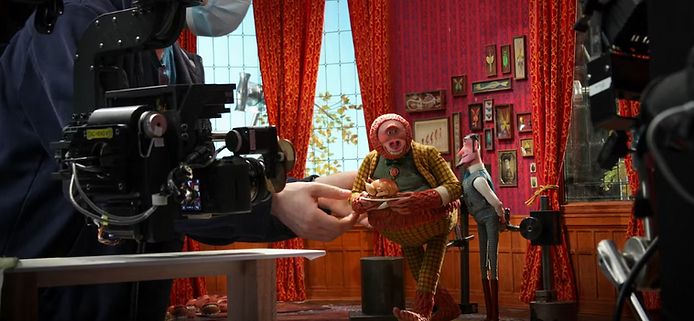
Laika didn’t just preserve stop-motion animation—it gave it new life. Through their groundbreaking use of 3D printing, they created emotionally rich, visually stunning films that continue to inspire animators, engineers, and storytellers alike.
By pushing the boundaries of technology and art, Laika demonstrated that innovation and tradition could coexist, redefining animation for the 21st century.
-fotor-bg-remover-20251210165637.webp)


