-fotor-bg-remover-20251211141935.webp)
-fotor-bg-remover-20251211143525.webp)
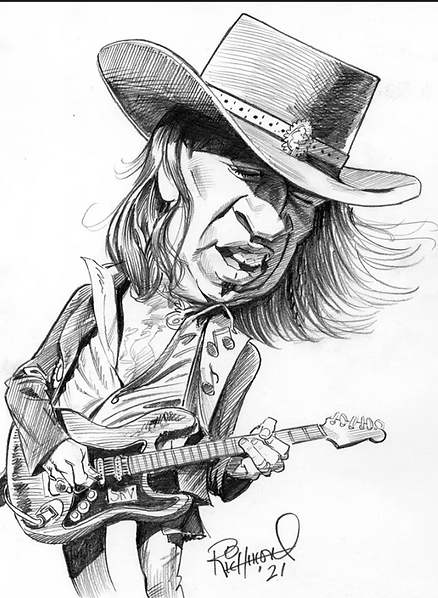
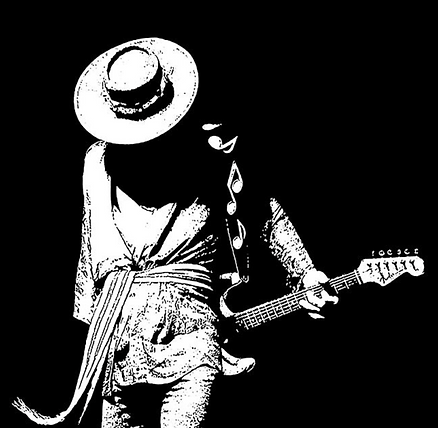
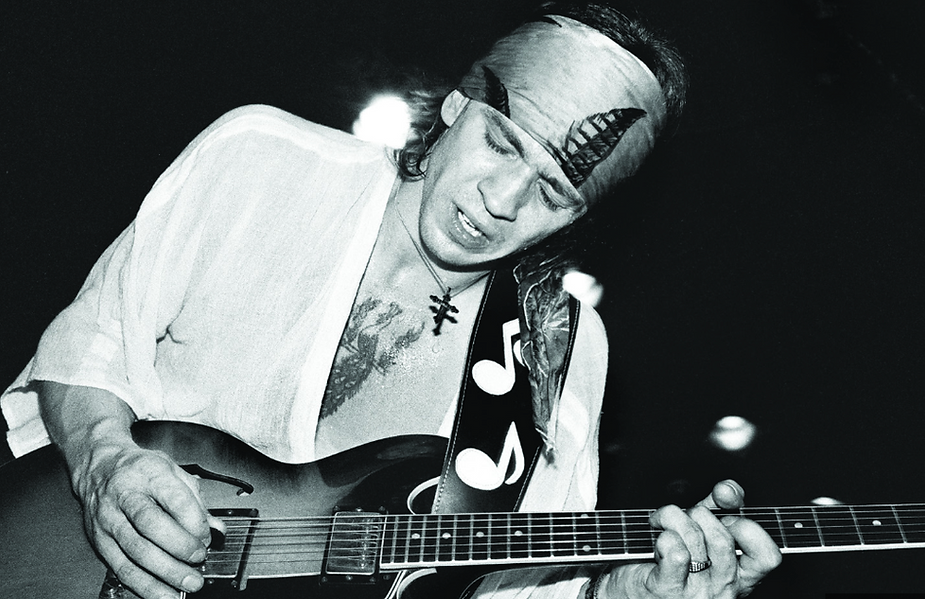
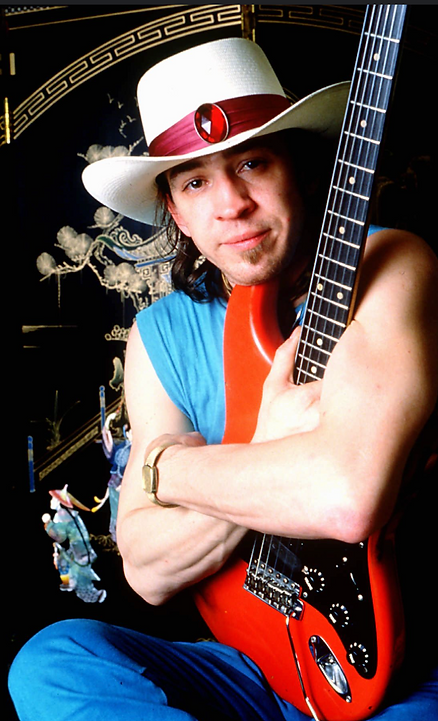
Stevie Ray Vaughan, born on October 3, 1954, in Dallas, Texas, emerged as a pivotal figure in the 1980s blues revival, renowned for his electrifying guitar prowess and soulful performances.
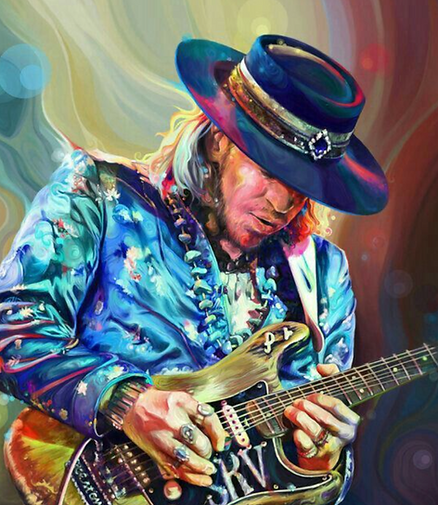
Early Life and Musical Beginnings
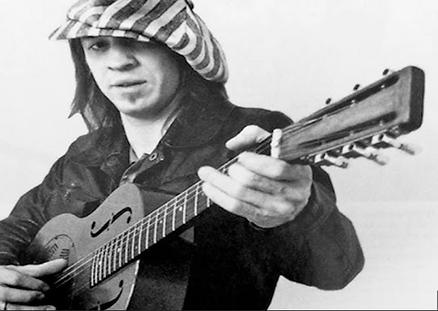
Inspired by his older brother, Jimmie Vaughan, Stevie began playing guitar at the age of seven. By his early teens, he was performing in local bands, honing his craft in the vibrant music scene of Dallas. In 1972, Vaughan relocated to Austin, Texas, immersing himself in the city's eclectic music culture and quickly gaining a reputation as a formidable guitarist.
Formation of Double Trouble and Rise to Fame
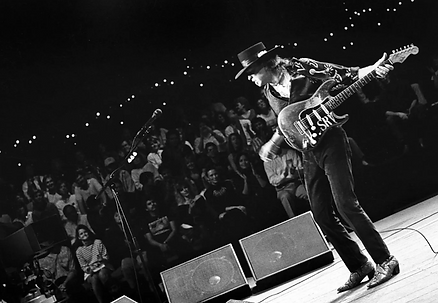
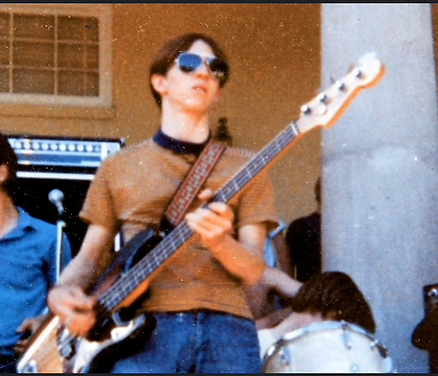
In 1978, Vaughan formed the band Double Trouble, with Chris Layton on drums and Tommy Shannon on bass. The trio became a staple in Austin's music venues, captivating audiences with their dynamic performances. Their breakthrough came in 1982 when they performed at the Montreux Jazz Festival, catching the attention of industry giants like David Bowie, who invited Vaughan to play on his album Let's Dance.
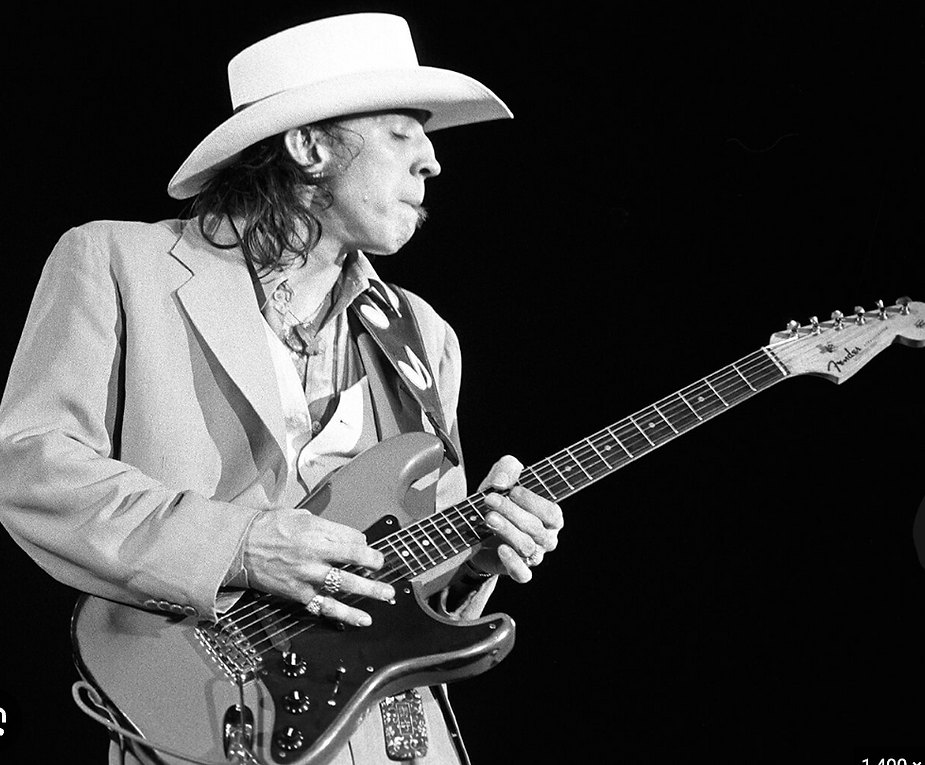
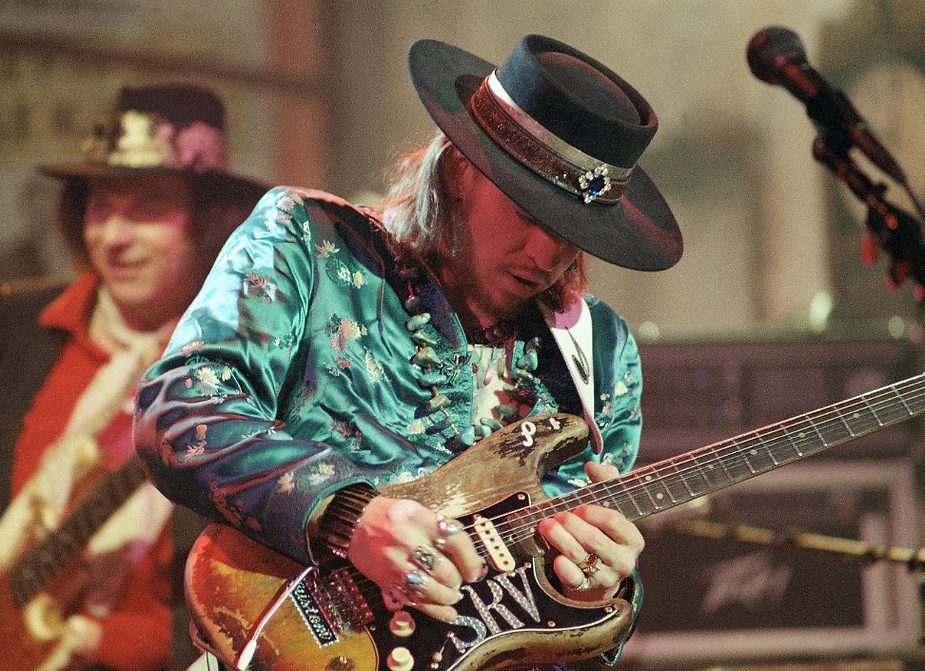
Following this exposure, legendary producer John Hammond facilitated a deal with Epic Records, leading to the release of their debut album, Texas Flood, in 1983. The album received critical acclaim, showcasing Vaughan's virtuosic guitar skills and deep blues roots.
Struggles and Triumphs
Despite his professional success, Vaughan battled with substance abuse, which began to take a toll on his health and performances. In 1986, he sought rehabilitation and emerged revitalized, both personally and musically. His 1989 album, In Step, reflected this renewal and earned him a Grammy Award for Best Contemporary Blues Album.
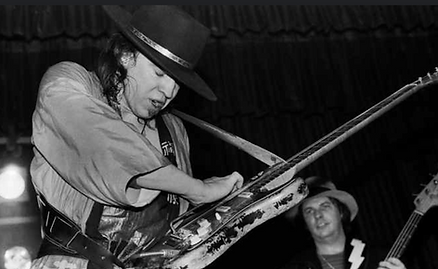
Posthumously, Vaughan's influence has continued to grow. He has been inducted into the Blues Hall of Fame and the Rock and Roll Hall of Fame, and his recordings remain essential listening for blues enthusiasts and guitarists worldwide. His passionate playing style and dedication to the blues have inspired countless musicians, ensuring that his legacy endures.
For those interested in delving deeper into Vaughan's life and music
, several biographies offer comprehensive insights:
Stevie Ray Vaughan's enduring impact on music is a testament to his talent, passion, and the emotional depth he brought to the blues genre.
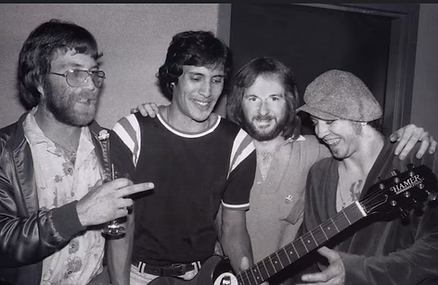
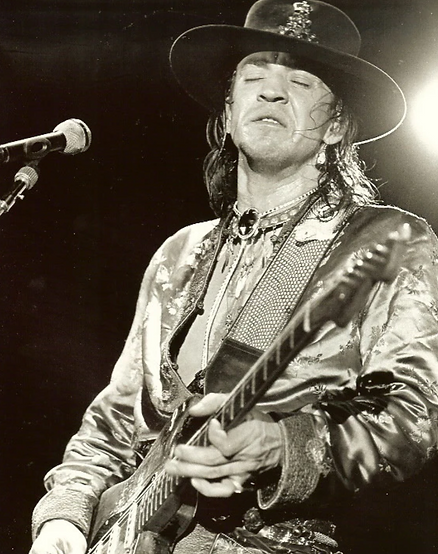
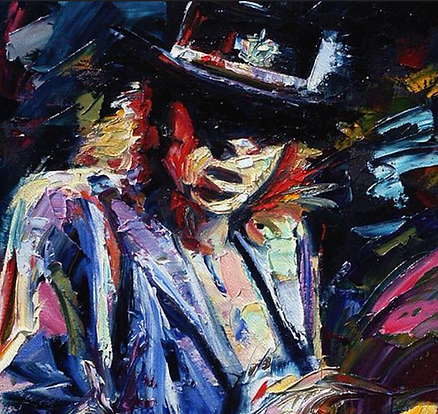
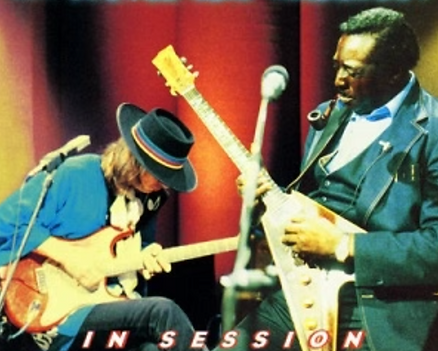
Stevie Ray Vaughan carried on the legacy of some of the greatest guitarists alive by honoring their styles while infusing his own raw power, technical brilliance, and emotional depth into the blues genre. He paid tribute to his idols—Jimi Hendrix, Albert King, B.B. King, Buddy Guy, and Eric Clapton—through his playing, yet he reshaped their influence into something uniquely his own.
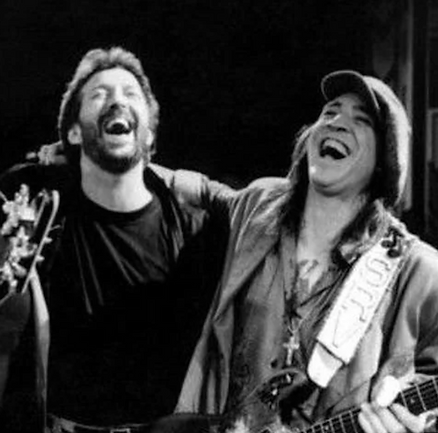
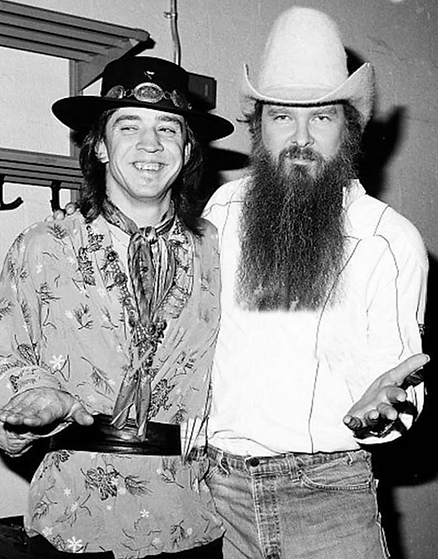
with billy gibbons of zz top
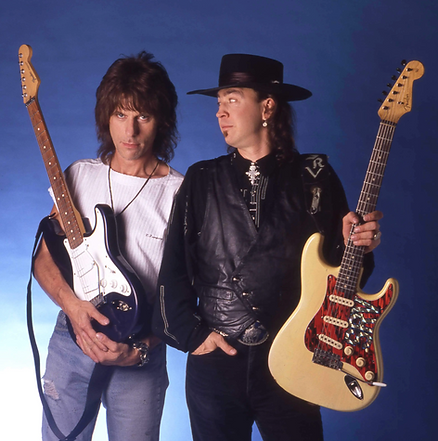
with jeff beck
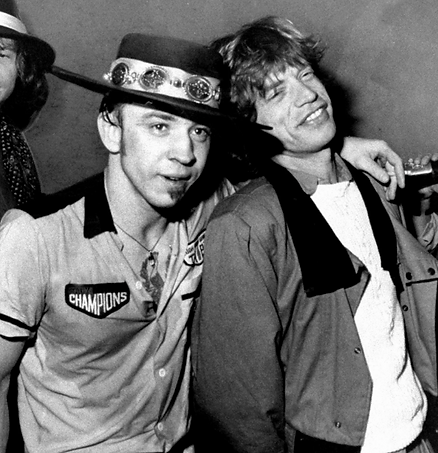
with mick jagger
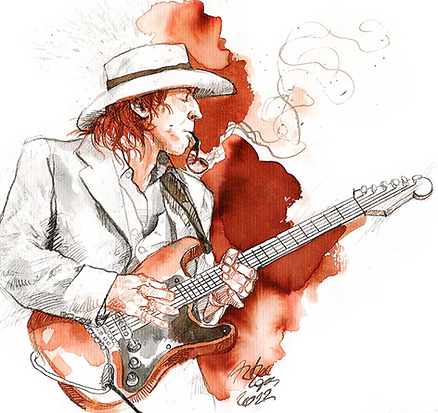
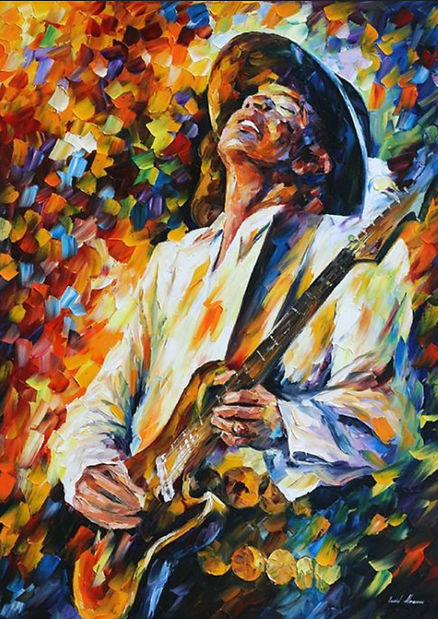
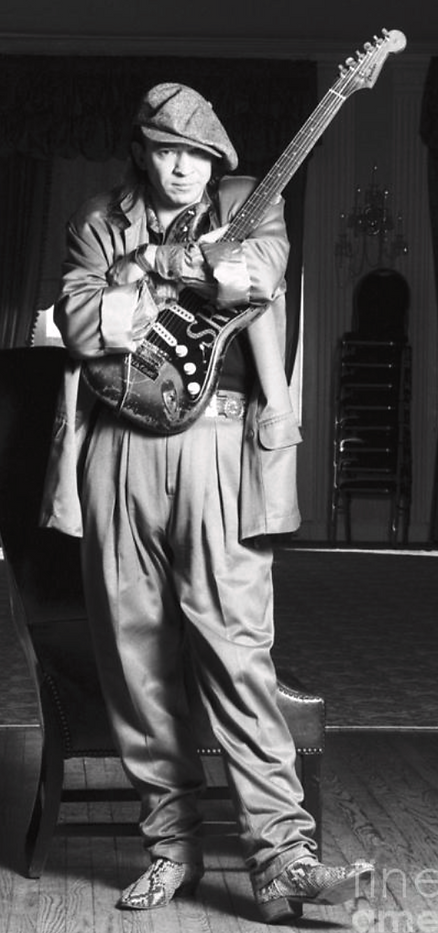
Stevie Ray Vaughan’s ability to channel the voices of the blues greats while adding his own fire and intensity ensured that he didn’t just preserve their legacies—he expanded them. He reminded audiences that blues wasn’t just music; it was raw emotion, struggle, and triumph, keeping the soul of the genre alive for generations to come.
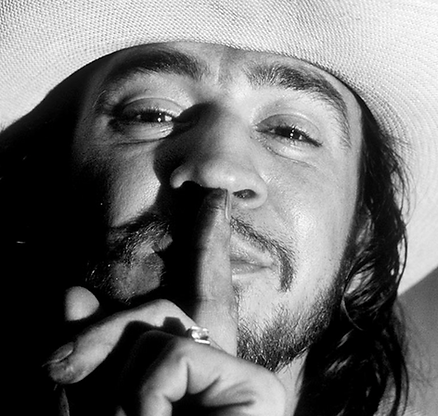
Stevie Ray Vaughan’s tragic loss on August 27, 1990, sent shockwaves through the music world. At just 35 years old, his life and career were cut short in a helicopter crash after a performance at the Alpine Valley Music Theatre in East Troy, Wisconsin.
That evening, Vaughan had shared the stage with legends including Eric Clapton, Robert Cray, Buddy Guy, and his brother Jimmie Vaughan. The concert was a celebration of blues greatness, and Vaughan’s performance was hailed as one of his best—full of energy, passion, and emotional intensity.
After the show, Vaughan boarded a helicopter bound for Chicago, along with members of Clapton’s crew. Tragically, the helicopter crashed into a fog-covered ski slope shortly after takeoff, killing everyone on board.
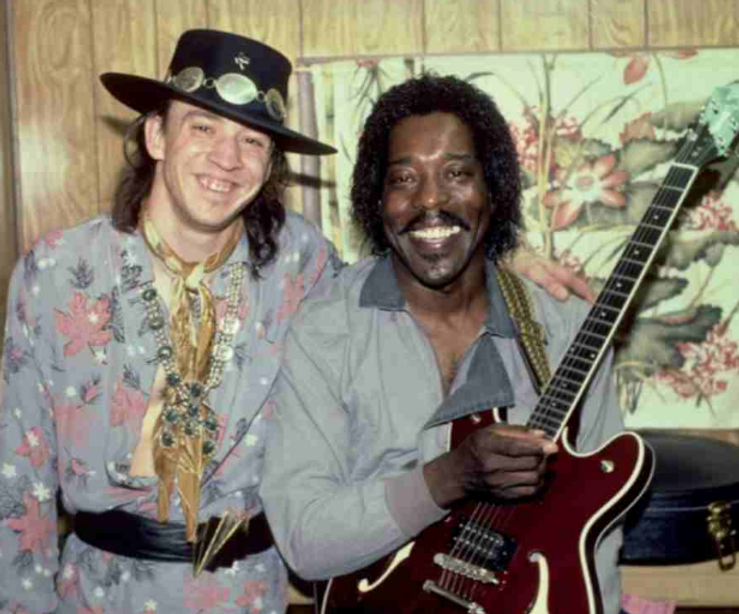
Vaughan’s sudden death marked the end of a remarkable career that had not only revived the blues but also influenced countless musicians. Fans and fellow artists mourned the loss of a guitarist whose talent seemed limitless. Eric Clapton described the news as "devastating," and Buddy Guy said Vaughan was "a shooting star that went too fast."
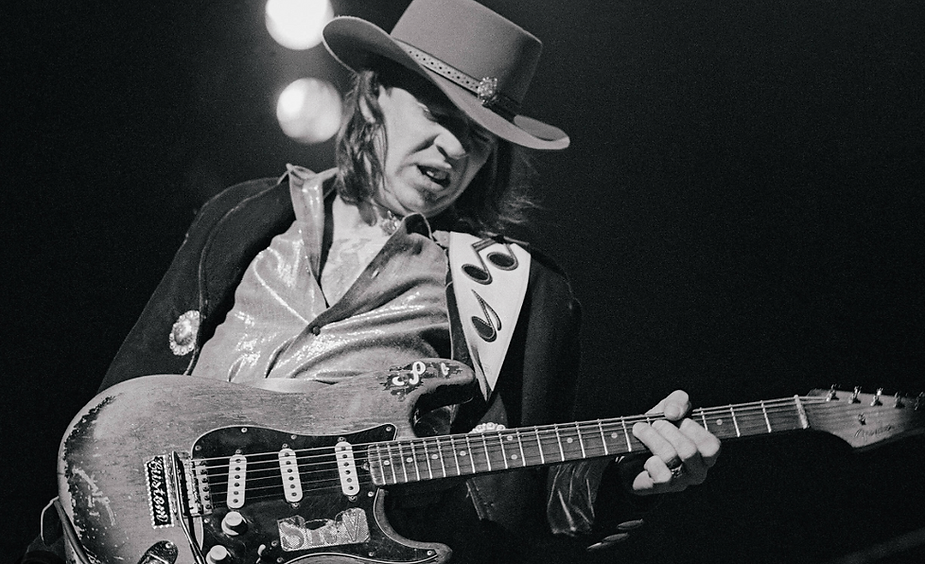
Despite his untimely passing, Vaughan’s legacy lives on through his groundbreaking music and emotional playing style. His final album with Double Trouble, In Step (1989), earned a Grammy Award and symbolized his personal and creative resurgence after overcoming addiction.
Posthumously, Vaughan has been honored with:
Stevie Ray Vaughan’s death was not just the loss of a blues icon but also a reminder of how fleeting brilliance can be. His music, marked by raw emotion and technical mastery, continues to inspire new generations, ensuring that his flame never truly fades.
-fotor-bg-remover-20251210165637.webp)


