-fotor-bg-remover-20251211141935.webp)
-fotor-bg-remover-20251211143525.webp)
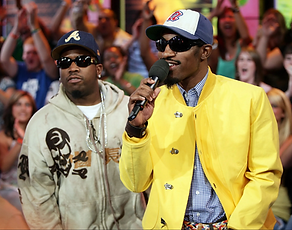
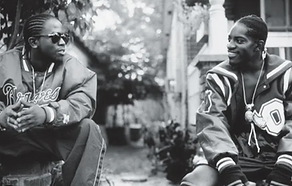
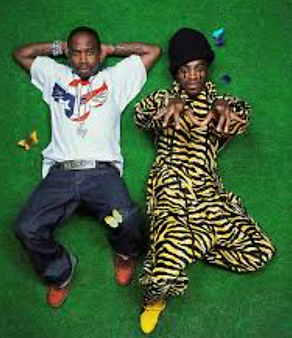
It all started in East Point, Atlanta, in the early 1990s. Two teenagers, André Benjamin (Andre 3000) and Antwan Patton (Big Boi), met at Tri-Cities High School.
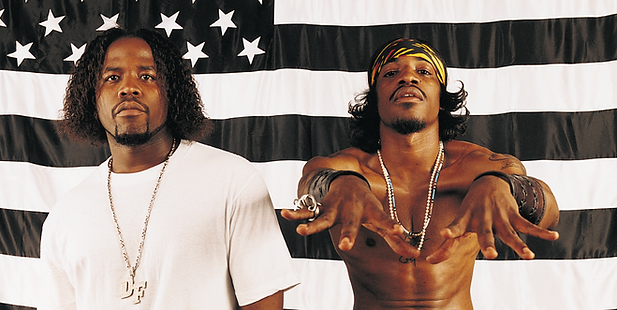
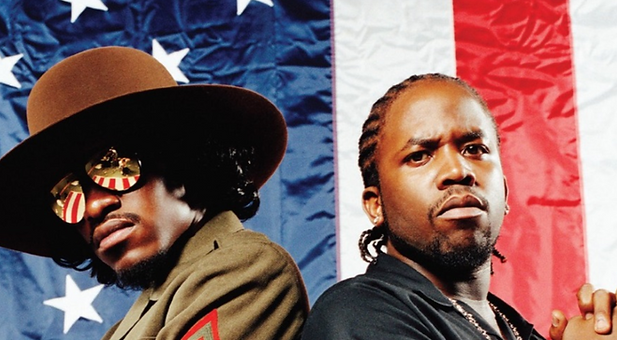
Though they initially squared off as rivals in freestyle rap battles, their mutual love for music—rooted in hip-hop, funk, and soul—brought them together. What began as a friendship quickly evolved into a partnership that would change the landscape of music forever.
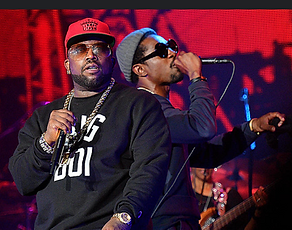

In 1992, Andre and Big Boi were discovered by Organized Noize, a production trio that nurtured their talent and helped them craft their sound. Shortly after, they signed with LaFace Records. Their debut single, “Player’s Ball,” was released in 1993 as part of a Christmas compilation. The song exploded in popularity, climbing the charts and setting the stage for their first album.

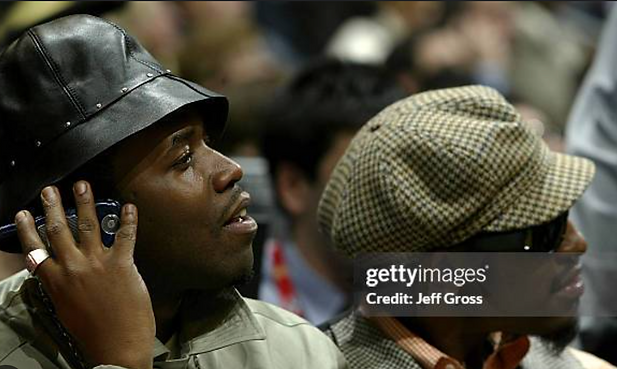
In 1994, Southernplayalisticadillacmuzik hit the shelves, marking the duo’s official entry into the music world. The album’s gritty Southern sound—blending funk, soul, and rap—established Outkast as trailblazers of a burgeoning Southern hip-hop scene. At the 1995 Source Awards, their win for Best New Rap Group and their iconic declaration, "The South got something to say," sent shockwaves through the industry.

Outkast’s second album, ATLiens (1996), was a revelation. The duo leaned into futuristic themes and extraterrestrial imagery, signaling their departure from typical hip-hop conventions. Tracks like “Elevators (Me & You)” showcased their lyrical depth and innovative production, resonating with fans and critics alike.
Their third album, Aquemini (1998), was even more ambitious. The title—a blend of their zodiac signs, Aquarius (Andre) and Gemini (Big Boi)—symbolized their distinct but harmonious creative approaches. The album featured classics like “Rosa Parks” and “SpottieOttieDopaliscious,” blending hip-hop, funk, and storytelling in a way that felt both revolutionary and timeless. Aquemini cemented their place as artists who defied genres and refused to be boxed in.

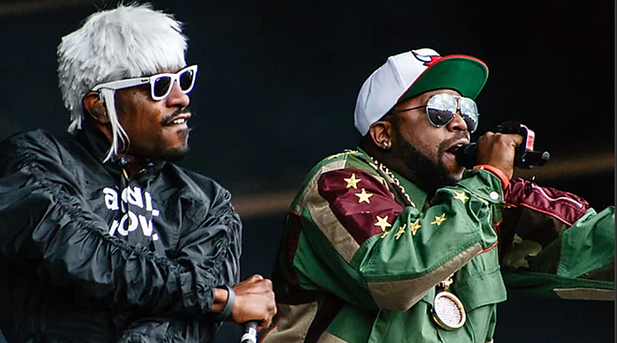
In 2000, Outkast released Stankonia, a record that catapulted them to global fame. With infectious hits like “Ms. Jackson” and “B.O.B. (Bombs Over Baghdad),” they pushed musical boundaries while addressing themes of relationships, race, and politics.
“Ms. Jackson” became a cultural phenomenon, earning them a Grammy and introducing Outkast to new audiences around the world.
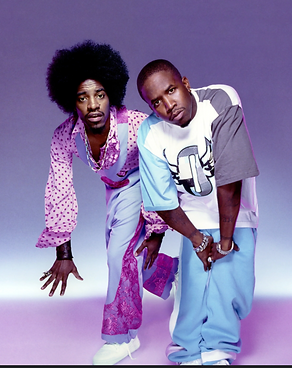
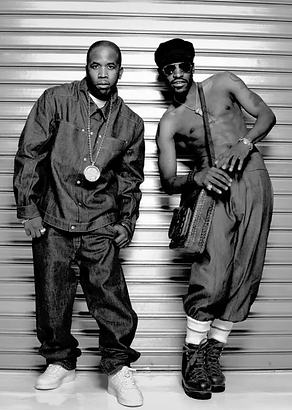
Stankonia wasn’t just an album—it was an experience. Their experimentation with funk, rock, and electronic elements transformed the way hip-hop could sound.

By 2003, Outkast had reached unprecedented heights. Their fifth album, Speakerboxxx/The Love Below, was a daring double album that gave each member a chance to shine individually. Big Boi’s Speakerboxxx showcased his Southern rap roots, while Andre 3000’s The Love Below ventured into jazz, funk, and R&B.
The album produced monster hits like “The Way You Move” and “Hey Ya!,” the latter becoming a pop anthem that dominated charts and airwaves. The album won Album of the Year at the Grammys, making Outkast the first hip-hop act to earn the honor.

In 2006, Outkast released Idlewild, a 1930s-themed film and soundtrack. While it showcased their ambition, it marked a turning point. After Idlewild, Andre 3000 and Big Boi began pursuing separate creative ventures. Andre focused on acting and sporadic guest appearances, while Big Boi released solo albums and collaborated with other artists.

Their differing interests didn’t spell animosity but rather a divergence in their creative journeys. Despite years of separation, fans continued to clamor for a reunion.

In 2014, Outkast reunited to celebrate their 20th anniversary, embarking on a massive festival tour. Performing at over 40 festivals, including Coachella, they reminded the world of their brilliance and influence.
Outkast’s legacy is unmatched. They put Southern hip-hop on the map, influencing artists like Kendrick Lamar, J. Cole, and Childish Gambino. Their genre-bending sound inspired musicians across rap, pop, and R&B, and their albums remain cultural landmarks.
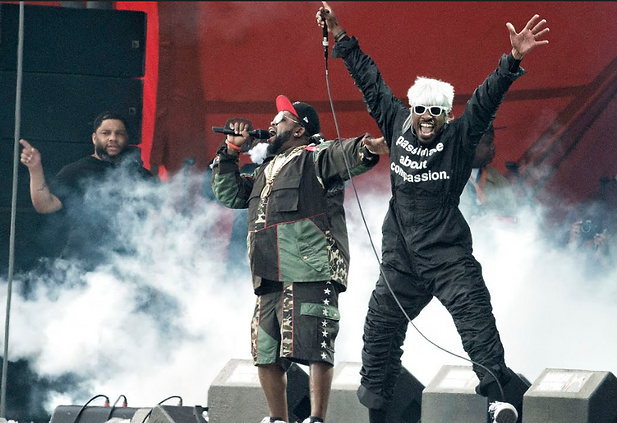
Outkast didn’t just make music—they created worlds. They brought storytelling, social commentary, and boundary-pushing creativity into hip-hop, blending genres with ease. Their ability to innovate while staying authentic ensured their music resonated across generations.
Though Outkast as a duo may never release another album, their influence continues to grow. Andre 3000 occasionally teases new music, while Big Boi remains a constant force in the industry. Together, they’ve left an indelible mark on music, proving that hip-hop can be anything—and everything.
Outkast’s story is one of friendship, innovation, and timeless artistry. From the streets of Atlanta to the heights of global stardom, they remain one of the most iconic and influential acts in music history.
André 3000:

Big Boi:

Genre Fusion: Outkast transcended hip-hop by blending it with funk, rock, jazz, blues, electronic, and R&B. Albums like Aquemini and Stankonia redefined what hip-hop could sound like, opening doors for artists to experiment without losing credibility.
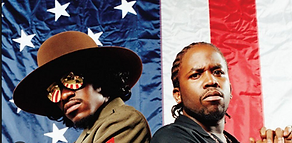
Concept Albums: They treated albums like cinematic experiences. Aquemini and Speakerboxxx/The Love Below wove themes, skits, and experimental sounds into cohesive narratives.

Futuristic Production: Their collaboration with Organized Noize and later their own innovations pushed boundaries. Tracks like “B.O.B. (Bombs Over Baghdad)” introduced rapid tempos and genre-defying production that set new standards.
Storytelling in Hip-Hop: Outkast mastered vivid storytelling, drawing from Southern life, mythology, and futurism to create immersive worlds in their songs.
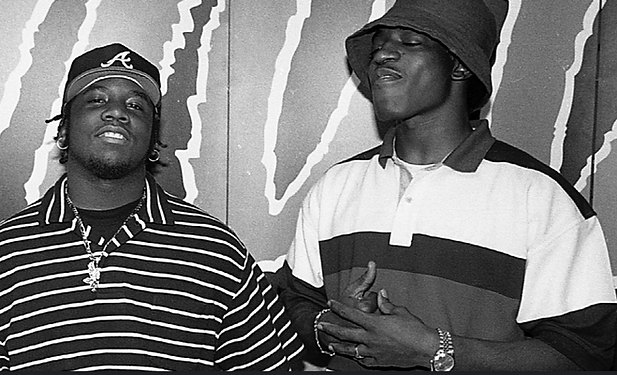
Visual Aesthetic: Their music videos (e.g., “Ms. Jackson,” “Hey Ya!”) and album artwork set a new standard for creativity, influencing how hip-hop artists presented themselves visually.
Outkast inspired countless artists across genres:
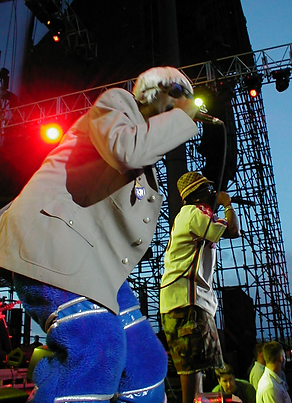
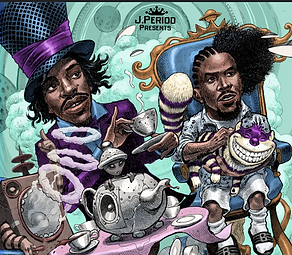
Unmatched Versatility: No other group seamlessly merged so many genres into a cohesive sound, delivering hits that were simultaneously experimental and accessible.

Southern Hip-Hop Ambassadors: Outkast put Atlanta—and the South as a whole—on the hip-hop map, challenging the dominance of East and West Coast rap.
Cultural Pioneers: They proved that hip-hop could embrace theatricality, fashion, and surrealism without sacrificing authenticity.

Global Reach: Outkast’s music resonated with listeners worldwide, breaking through cultural and genre barriers in ways few hip-hop acts have.

Longevity and Timelessness: Their albums, particularly Aquemini, Stankonia, and Speakerboxxx/The Love Below, are still regarded as masterpieces that shaped the course of music history.


Outkast’s impact lies in the perfect combination of André 3000 and Big Boi’s talents, Atlanta’s rising music scene, and the cultural zeitgeist of the late '90s and early 2000s. Their willingness to experiment and take risks at a time when hip-hop was more rigid in its definitions allowed them to break barriers that might not exist today.
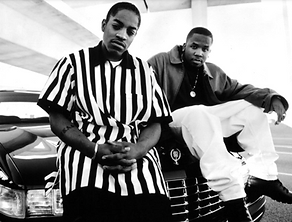
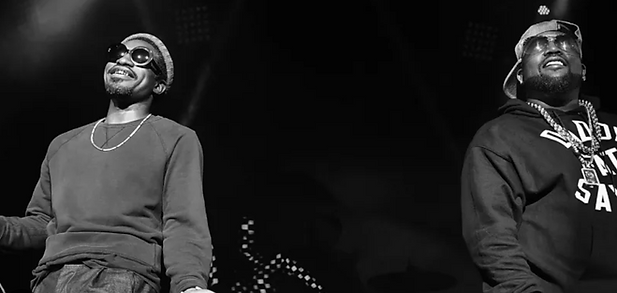
Moreover, their chemistry as a duo was one of a kind: the balance of André’s otherworldly creativity and Big Boi’s grounded brilliance was lightning in a bottle. Together, they forged a path that no one else can replicate, not just because of what they did but how and when they did it.
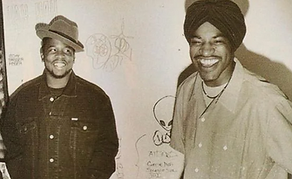
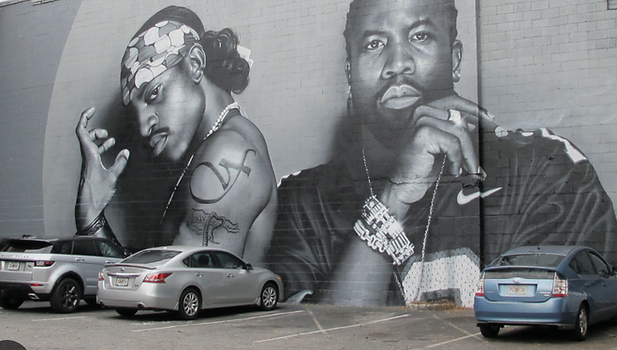
Their influence is felt in every corner of music, but their originality, boldness, and refusal to conform remain their most enduring legacy. Outkast is not just a group—they’re a cultural institution.
-fotor-bg-remover-20251210165637.webp)


