-fotor-bg-remover-20251211141935.webp)
-fotor-bg-remover-20251211143525.webp)
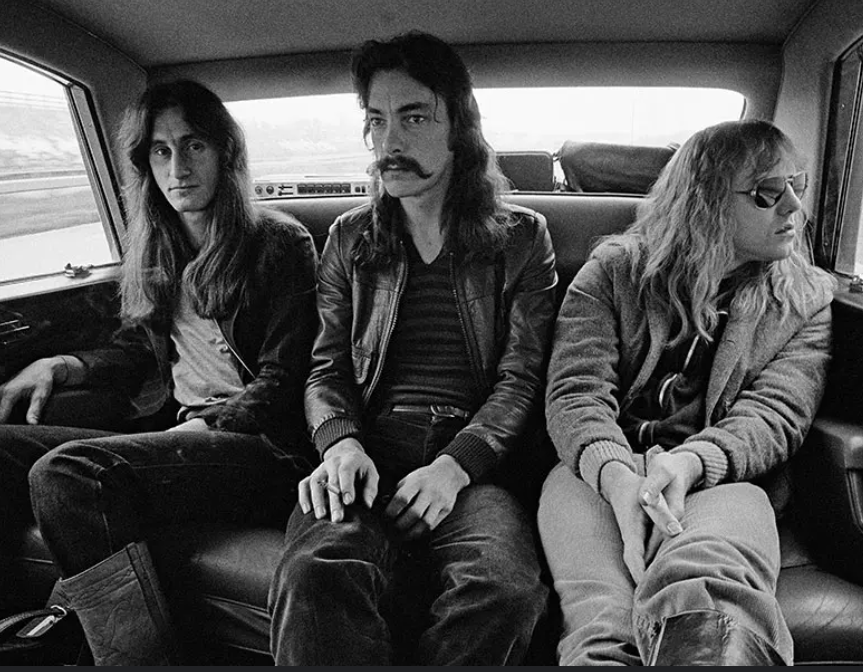
Rush was born in 1968 in Toronto, Canada, when childhood friends Alex Lifeson (guitar) and John Rutsey (drums) teamed up with bassist Jeff Jones. Shortly after, Jones was replaced by Geddy Lee, and the core trio of Geddy, Alex, and John began their musical journey.
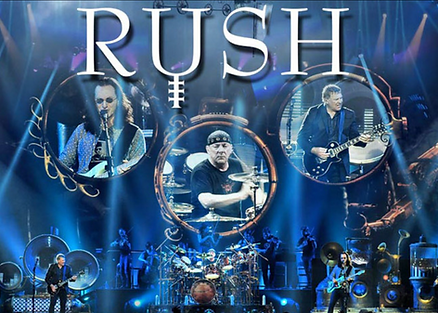
Initially a bar band, Rush drew inspiration from blues-rock bands like Led Zeppelin and Cream. Their early sound was raw, loud, and heavy—a foundation for what was to come.
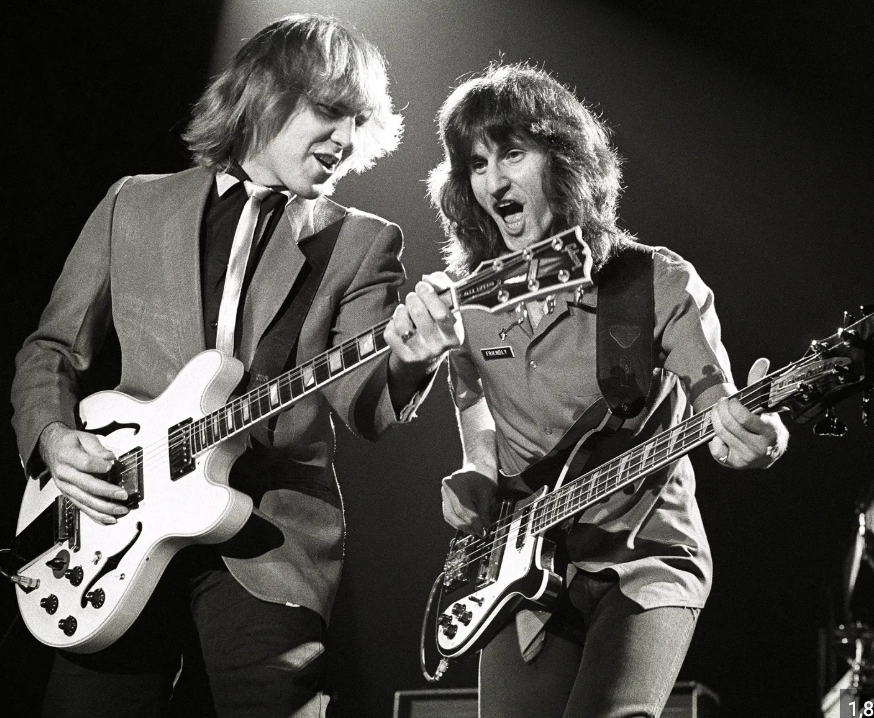
In 1974, the band self-released their debut album, "Rush," which featured the hit "Working Man." The song caught the attention of Cleveland DJ Donna Halper, whose support earned Rush a U.S. record deal with Mercury Records. Shortly after, John Rutsey left the band due to health issues, and the drummer who would become synonymous with Rush’s sound and philosophy, Neil Peart, joined in 1974.
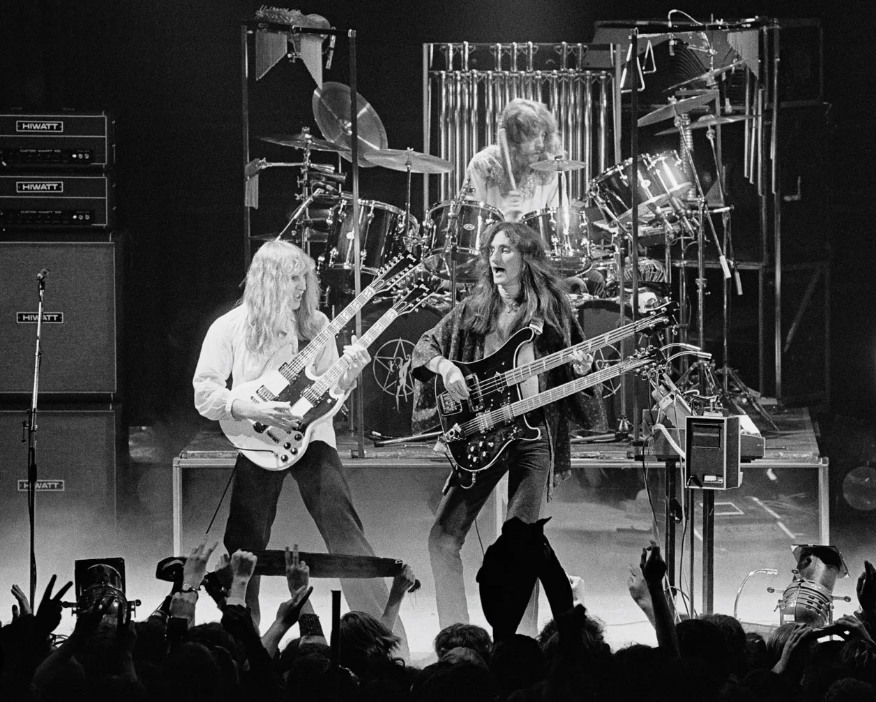
With Neil Peart on board, Rush quickly evolved into something more ambitious. Neil wasn’t just a virtuoso drummer; he was also a gifted lyricist who infused their songs with themes of philosophy, science fiction, and personal introspection. This marked a shift from straightforward hard rock to progressive rock complexity.
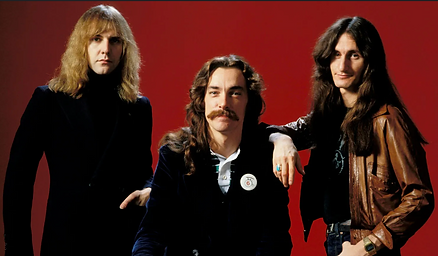
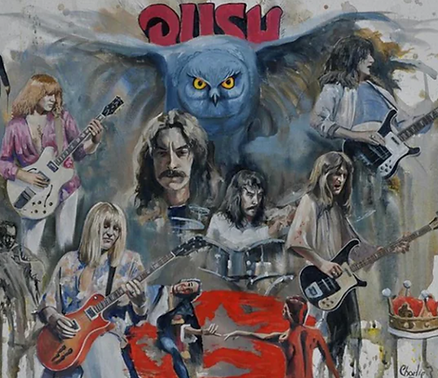
Their second album, "Fly by Night" (1975), showcased this transformation. Tracks like "Anthem" reflected their Ayn Rand-inspired philosophy, while the title track hinted at their ability to craft memorable melodies. Later that year, "Caress of Steel" pushed the boundaries further with lengthy, conceptual songs. Though it received mixed reviews, it was a precursor to their boldest work yet.
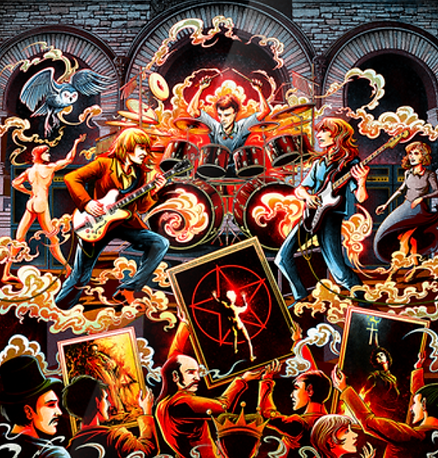
In 1976, Rush released "2112," a sci-fi-inspired concept album that became their first major breakthrough. The 20-minute title track told a dystopian story of individuality versus oppression, cementing their reputation as progressive rock pioneers. The album struck a chord with fans, particularly in the U.S., and Rush began headlining larger venues.
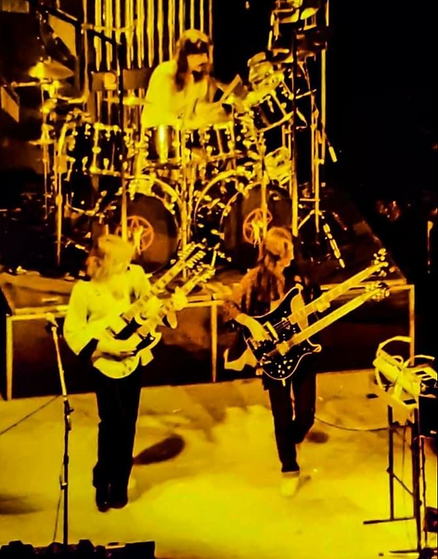
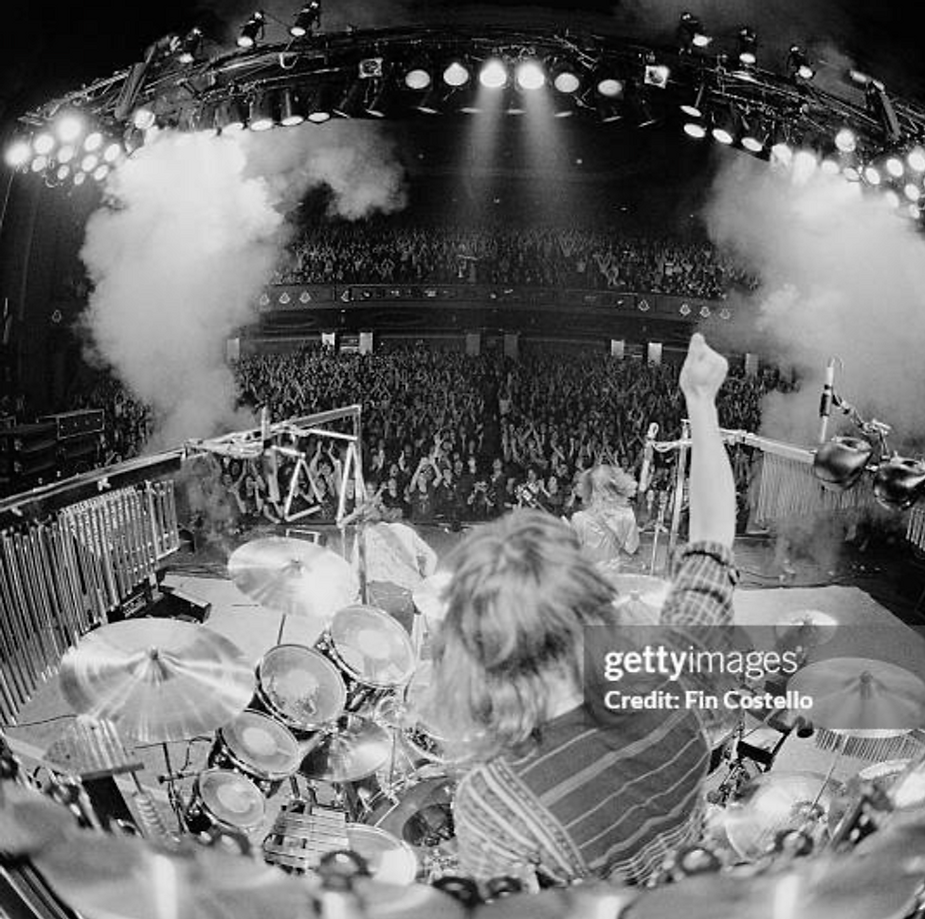
Over the next few years, Rush released a string of critically acclaimed albums that solidified their place as progressive rock icons:
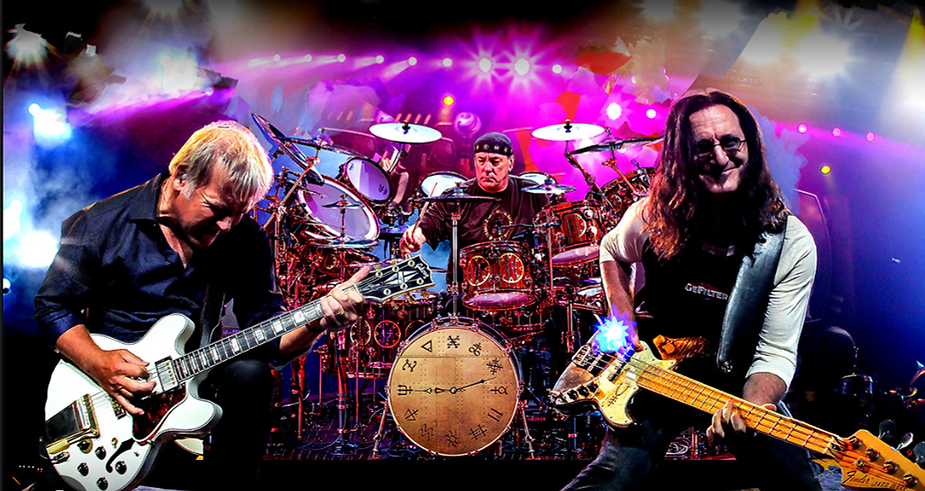
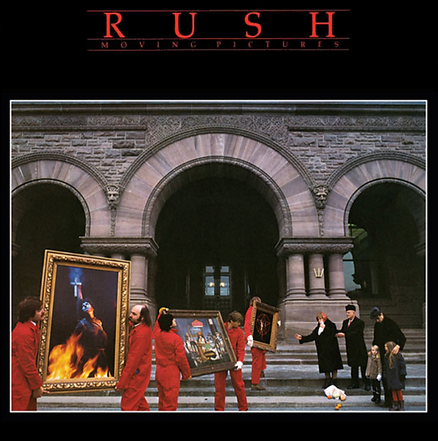
With the release of "Moving Pictures" in 1981, Rush became arena rock legends. The album featured some of their most iconic songs, including "Tom Sawyer," "YYZ," and "Limelight." This album balanced progressive ambition with accessibility, making it their most commercially successful release. It went quadruple platinum and propelled them to global stardom.
Their subsequent albums in the 1980s explored new sonic territory, incorporating synthesizers and a polished production style:
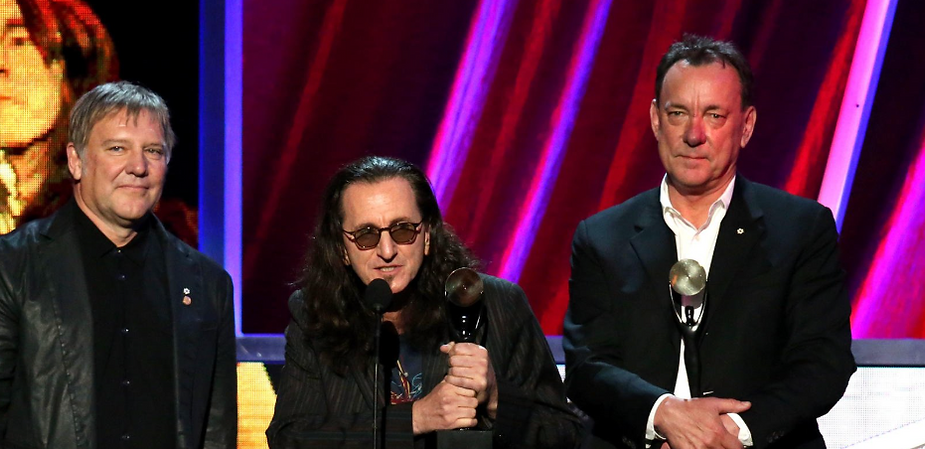
While some fans missed their rawer, guitar-driven sound, Rush continued to innovate and expand their audience.
In the 1990s, Rush returned to a more guitar-focused sound with albums like "Presto" (1989) and "Roll the Bones" (1991), which included the hit "Dreamline." Their music remained ambitious, blending progressive elements with a contemporary edge.
However, tragedy struck in the late 1990s. Neil Peart lost both his daughter and wife within the span of a year, leading to an extended hiatus. Many feared Rush would never return, but Neil found solace in motorcycling across North America, an experience he documented in his memoir, Ghost Rider.
Rush returned in 2002 with "Vapor Trails," a raw, emotional album that marked their comeback. The subsequent "R30" tour celebrated their 30th anniversary, proving that their fanbase was as devoted as ever.

In 2015, Rush announced their final tour, citing Neil Peart’s health issues. Tragically, Neil passed away in 2020 from brain cancer. His death marked the end of Rush as a touring and recording entity. Alex Lifeson and Geddy Lee have since stated they have no plans to continue as Rush without Neil.
Rush’s influence on music is immeasurable. They inspired countless bands across genres, from progressive rock (Dream Theater, Tool) to metal (Metallica, Iron Maiden). Their ability to blend technical skill with emotional depth and their commitment to artistic integrity made them icons.
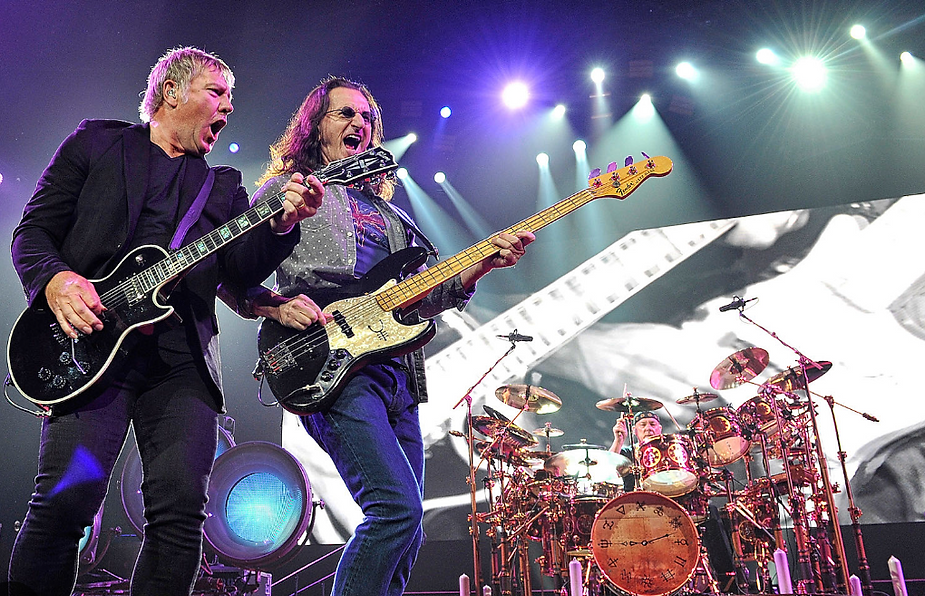
Today, Alex and Geddy remain active in the music world. Alex has pursued solo projects and collaborations, while Geddy has authored a book, The Big Beautiful Book of Bass. Both continue to honor Neil’s legacy and the impact of Rush’s music.
Rush’s timelessness lies in their ability to evolve while staying true to their vision. Their music speaks to individuality, resilience, and the pursuit of excellence—values that resonate across generations. From epic tours to groundbreaking albums, Rush’s story is a testament to the power of perseverance, creativity, and friendship.
Rush’s mass pop appeal was a result of their unique ability to blend complexity with accessibility, combined with their authenticity and the timeless quality of their music. Here’s how they achieved it:
Bridging Progressive Rock and Pop Accessibility:While Rush’s music was rooted in the intricate and often niche genre of progressive rock, they incorporated hooks, memorable melodies, and relatable themes into their songs. Albums like "Moving Pictures" struck the perfect balance, with tracks like “Tom Sawyer” and “Limelight” becoming anthems that appealed to both prog rock enthusiasts and mainstream audiences.
They continued to release acclaimed albums, including "Snakes & Arrows" (2007) and their final studio album, "Clockwork Angels" (2012). The latter was a conceptual masterpiece that revisited their progressive roots while showcasing their maturity as musicians and storytellers.
Rush achieved what few bands could:
Innovative Use of Technology:Rush embraced synthesizers and other emerging technologies in the 1980s, creating a sound that resonated with the pop trends of the time while maintaining their progressive identity. Songs like “Subdivisions” showcased their ability to adapt without losing their essence.
Relatable Themes and Lyrics:Neil Peart’s lyrics touched on universal themes like individuality (“Tom Sawyer”), alienation (“Subdivisions”), and existentialism (“Freewill”). These themes, combined with Peart’s poetic style, resonated with fans from all walks of life, giving their music a personal and emotional depth.
Virtuosity Without Pretension:Geddy Lee’s soaring vocals and basslines, Alex Lifeson’s inventive guitar work, and Neil Peart’s legendary drumming set a high bar for musicianship. Yet, they never came off as elitist; their humility and down-to-earth personalities endeared them to fans.
A Loyal Fanbase and Grassroots Support:Rush built their success on word-of-mouth and relentless touring, forging a deep connection with their audience. Unlike many bands, their relationship with fans was built on mutual respect and appreciation.
Unwavering Authenticity:Rush never chased trends or compromised their artistic vision to achieve commercial success. This authenticity made them relatable, and their consistency over decades built trust with listeners.
Who Inspired Rush?
Rush’s sound was shaped by a diverse range of influences, spanning multiple genres. Here’s a breakdown of their key inspirations:
Led Zeppelin: The raw power and dynamic range of Led Zeppelin were a major influence on Rush’s early sound, particularly their debut album.
Cream: The trio’s format, with each member bringing virtuosic skill to their instrument, was inspired by Cream’s approach to rock.
Yes: Rush was inspired by Yes’s intricate compositions, adventurous arrangements, and instrumental prowess.
Genesis: The storytelling and theatrical elements of Genesis, particularly during the Peter Gabriel era, influenced Rush’s conceptual works.
King Crimson: The experimental nature and complex time signatures of King Crimson left a mark on Rush’s music.
The Who: The dynamic interplay between The Who’s rhythm section and Pete Townshend’s guitar work influenced Rush’s approach to power trios.
Black Sabbath: The heaviness and darker tones of Black Sabbath resonated with Rush during their early years.
Science Fiction and Literature:Neil Peart drew inspiration from authors like Ayn Rand (The Fountainhead influenced "2112"), J.R.R. Tolkien, and Ray Bradbury, blending literary themes with philosophical musings in Rush’s lyrics.
Rush achieved the rare feat of being both critically acclaimed and widely beloved, transcending genre boundaries. Their ability to fuse technical brilliance with emotional resonance ensured their appeal to music fans of all kinds. While their roots lay in progressive rock, their innovation, dedication, and connection with their audience made them icons of pop culture as well as rock history.
Rush’s songs often delved into deep and complex themes, making them both thought-provoking and emotionally resonant. Here’s a closer look at the meanings behind some of their most popular tracks:
Album: Moving Pictures
Album: Signals
Album: Moving Pictures
Album: Permanent Waves
Album: 2112
Album: A Farewell to Kings
Album: Permanent Waves
Album: Fly by Night
-fotor-bg-remover-20251210165637.webp)


