-fotor-bg-remover-20251211141935.webp)
-fotor-bg-remover-20251211143525.webp)
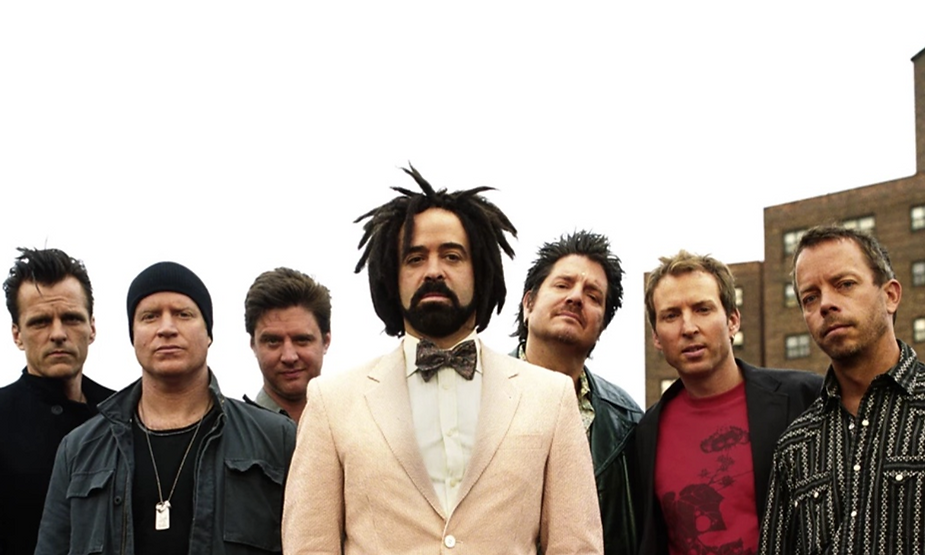
Counting Crows are one of the most enduring and beloved bands to emerge from the 1990s, seamlessly blending folk-rock, alternative, and pop to craft a unique musical identity. Their journey is a tale of raw emotion, poetic lyricism, and a deep connection with their fans.
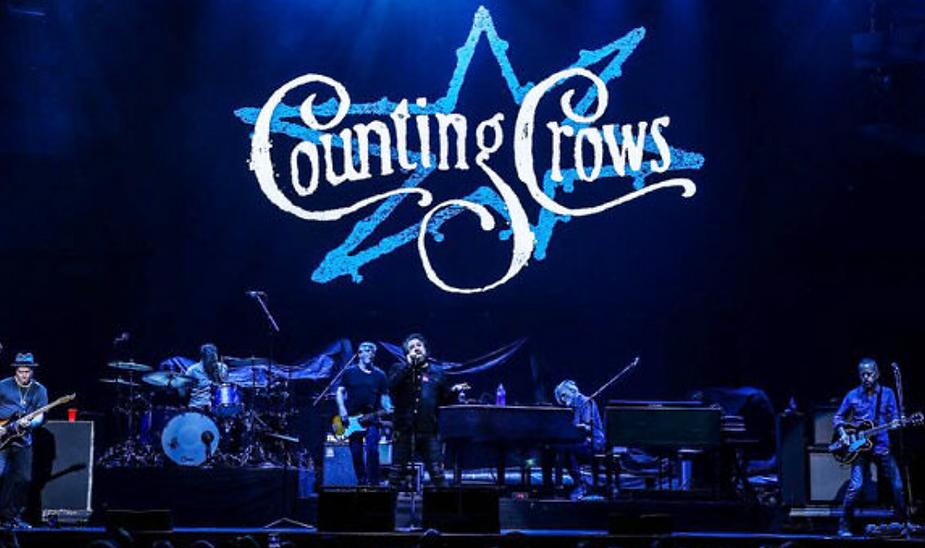
Counting Crows originated in Berkeley, California, in the early 1990s. Lead singer Adam Duritz, with his distinctive voice and introspective songwriting, formed the band with guitarist David Bryson. They started as a two-piece acoustic act, performing at local clubs and honing their craft.

The addition of key members—such as bassist Matt Malley, drummer Steve Bowman, keyboardist Charlie Gillingham, and guitarist Dan Vickrey—helped the band evolve into a full-fledged outfit. Together, they created a sound deeply rooted in the Bay Area's diverse musical traditions, blending folk storytelling with alternative rock energy.
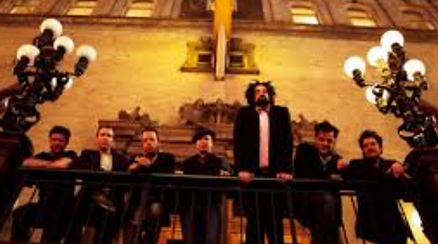
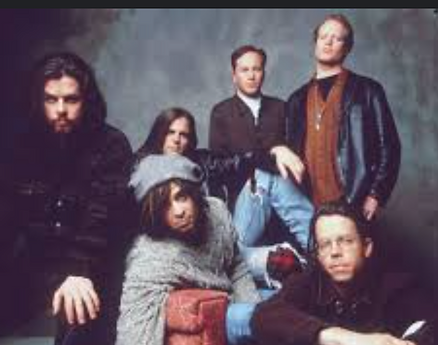
Adam Duritz, the band’s frontman, quickly became the focal point of Counting Crows. His lyrics, often drawn from his struggles with mental health, relationships, and identity, resonated deeply with listeners. Duritz’s battle with dissociative disorder—a condition that leaves him feeling disconnected from reality—has been a recurring theme in his songwriting, adding layers of vulnerability to the band’s music.
Before Counting Crows, Duritz played in smaller bands like The Himalayans, where he began developing his signature narrative style. His ability to weave deeply personal experiences into universal themes became the hallmark of Counting Crows' songs.

In 1993, Counting Crows released their debut album, August and Everything After. Propelled by the massive success of the single “Mr. Jones,” the album skyrocketed the band to fame. Songs like “Round Here” and “Rain King” showcased their ability to craft poetic, emotionally charged narratives.
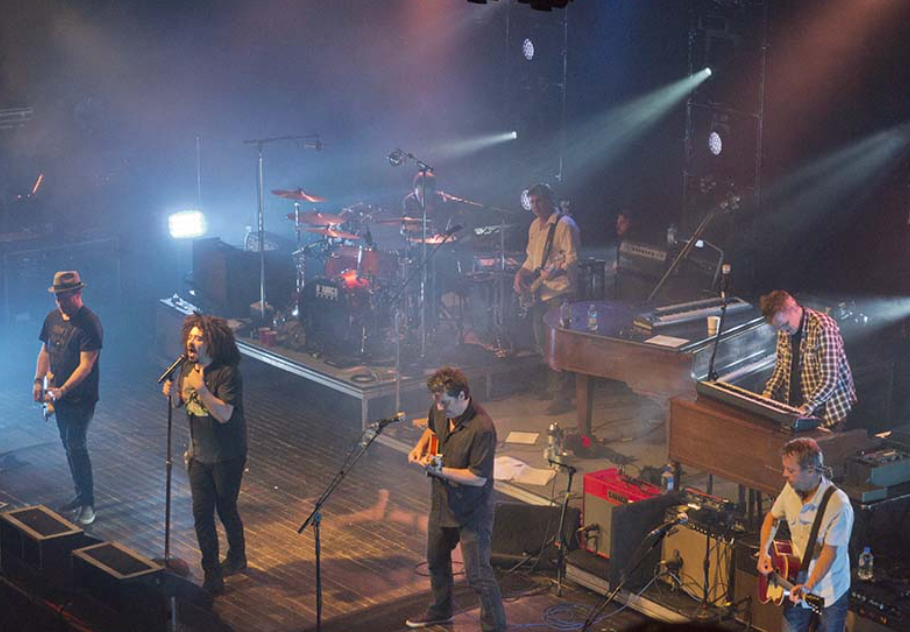
The album’s lush production, courtesy of T Bone Burnett, and Duritz’s confessional lyrics struck a chord with audiences worldwide, selling over 7 million copies in the U.S. alone. The band quickly became one of the defining acts of the decade.
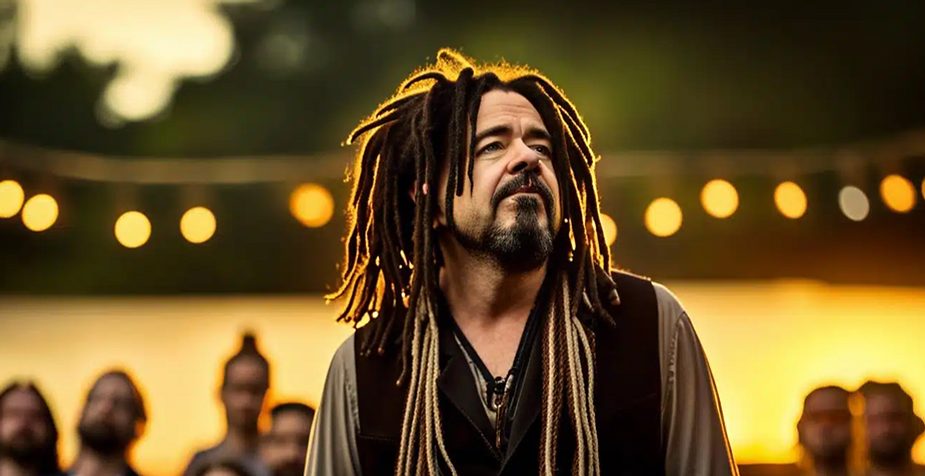
Following their debut’s success, Counting Crows embarked on extensive tours, building a reputation as one of the most compelling live acts in the business. Duritz’s dynamic stage presence and ability to reimagine songs in concert made their shows must-see events.
Over the years, the band experienced several lineup changes. Drummer Steve Bowman left after the release of their second album, replaced by Ben Mize. Later, bassist Matt Malley departed, with Millard Powers stepping in. Despite these changes, the core of the band—Duritz, Gillingham, Bryson, and Vickrey—remained intact, preserving their signature sound.

Counting Crows nearly fell apart after the release of their debut album, August and Everything After, and the subsequent world tours. The album’s massive success catapulted the band into the spotlight, but the pressures of fame and relentless touring took a toll on the group, particularly on frontman Adam Duritz. Here's a closer look at what happened during that challenging period:
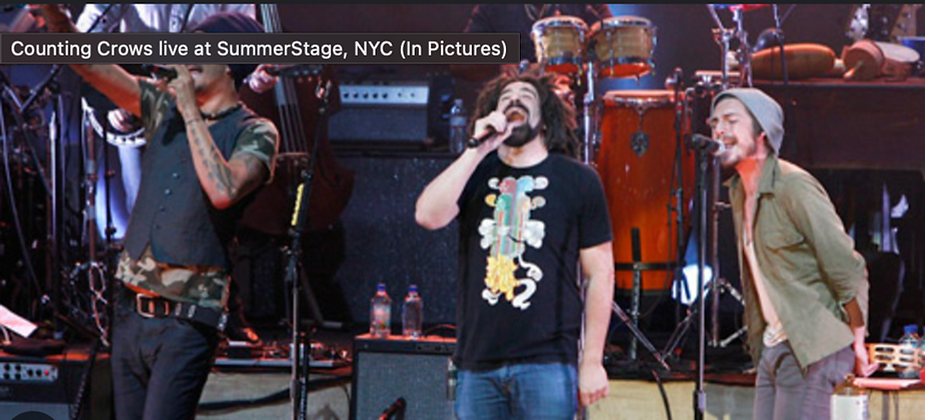
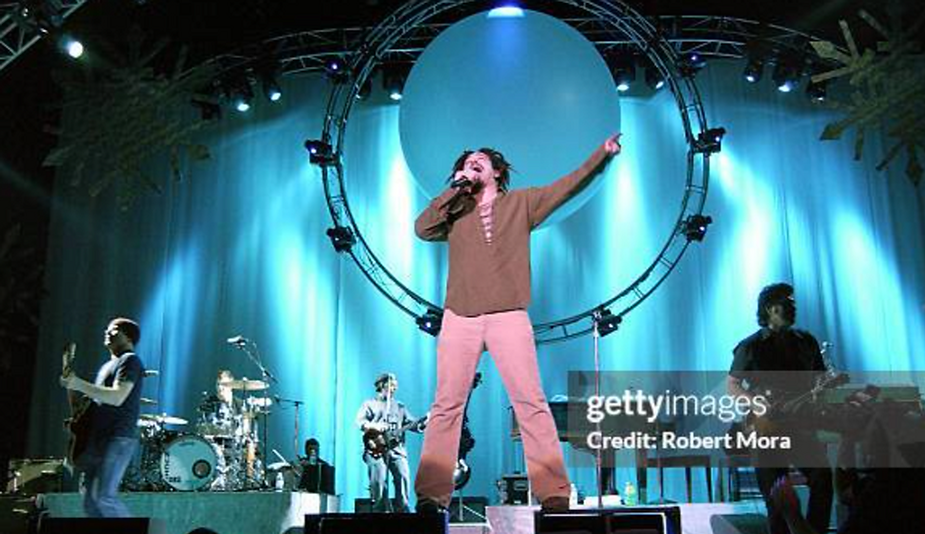
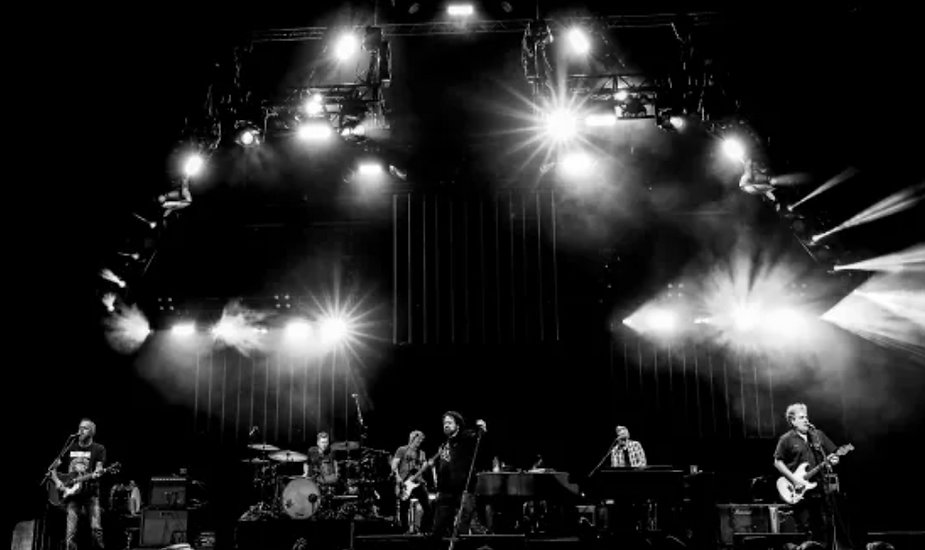
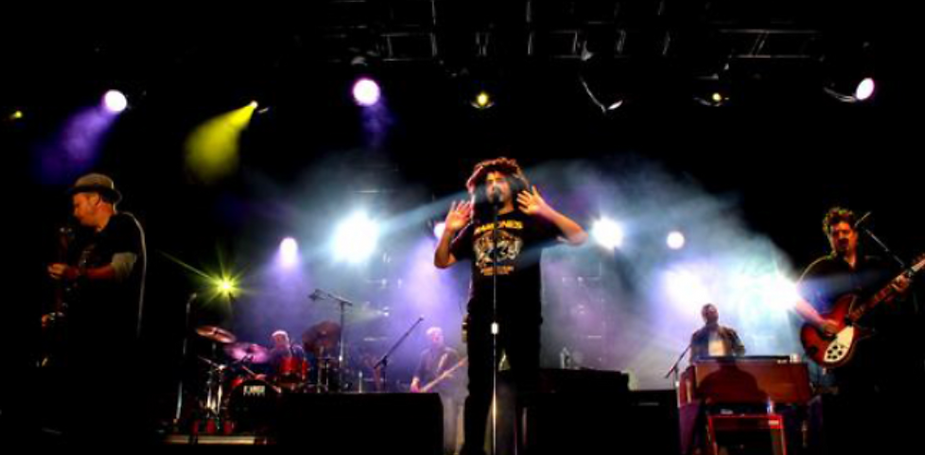
At the peak of their burnout, the band came close to breaking up. Duritz has spoken candidly about feeling like he couldn’t continue under the immense pressure. The rest of the band members also felt the strain of living in a whirlwind of success and expectations.
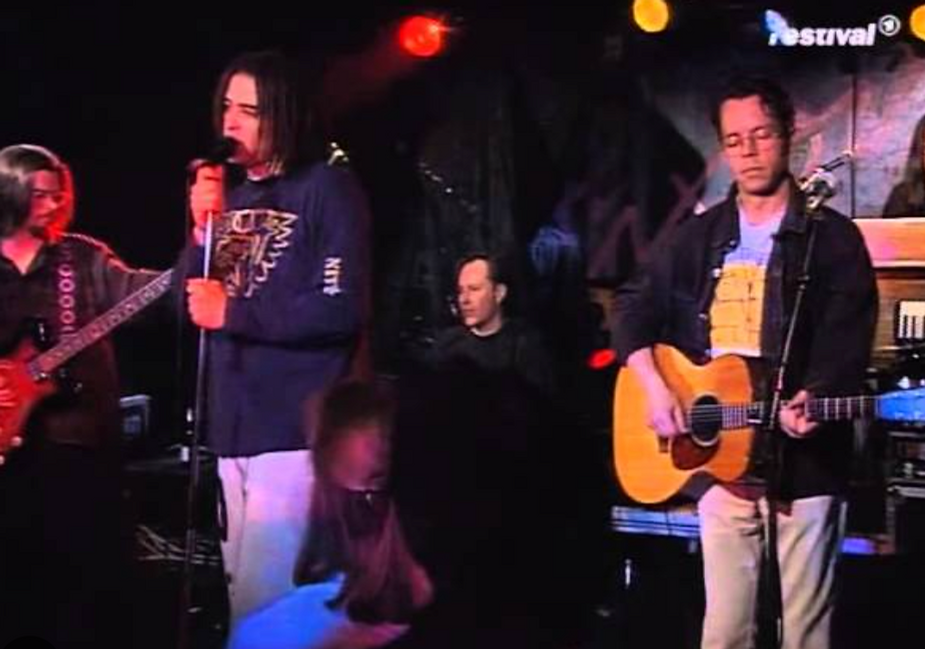
Despite the challenges, Counting Crows managed to persevere by leaning on their deep bond as a band and their shared love of storytelling through music. Adam Duritz’s vulnerability and authenticity became central to their identity, helping them remain relatable to their audience. The break they took after the first album allowed them to heal and come back stronger, setting the stage for a long and enduring career.
This period of struggle also became a defining part of their story, showing their resilience and dedication to their art, which resonated deeply with fans.
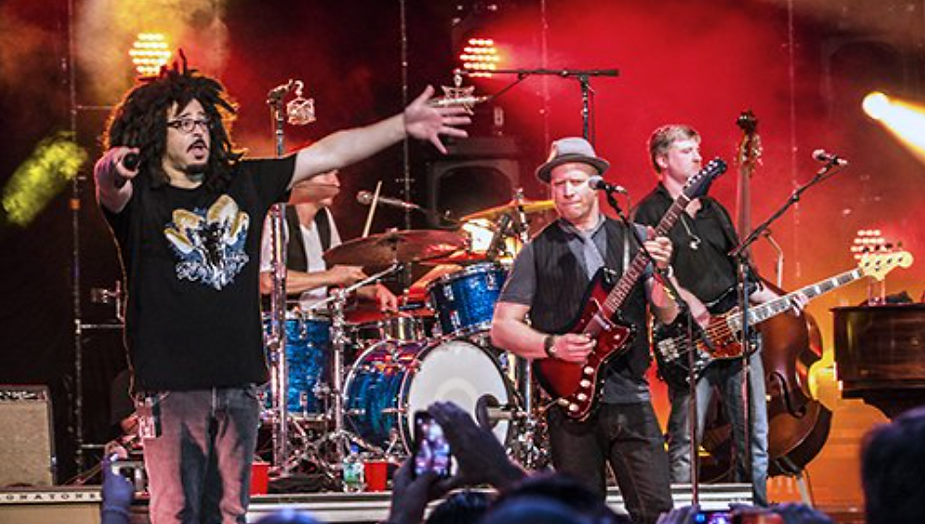
In 1996, Counting Crows released their sophomore album, Recovering the Satellites. While darker and more introspective than their debut, it still achieved commercial success, debuting at No. 1 on the Billboard 200.
Tracks like “A Long December” and “Angels of the Silences” showcased the band’s evolving sound—heavier and more experimental, yet still deeply emotional. The album cemented their reputation as a band capable of growth and reinvention while maintaining their connection with fans.
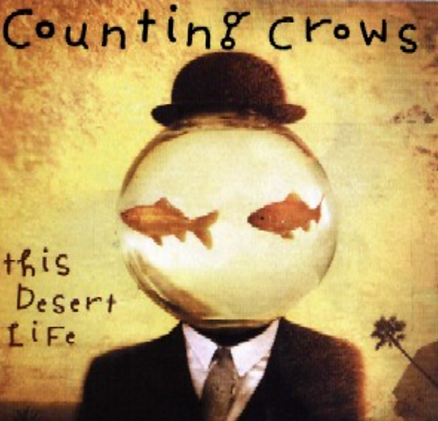
Throughout the late 1990s and 2000s, Counting Crows continued to release albums, including This Desert Life (1999) and Hard Candy (2002). The latter featured their crossover pop hit “Accidentally in Love,” written for the Shrek 2 soundtrack. The song earned them an Academy Award nomination and introduced the band to a younger generation of listeners.
Counting Crows also collaborated with other artists and remained relevant in an ever-changing music industry. Their ability to blend genres and adapt without losing their essence has been a key to their longevity.
Despite shifts in the music industry, Counting Crows have maintained their place as one of America’s most enduring touring and recording acts. Their live performances continue to draw devoted fans, with Duritz’s onstage storytelling adding a new dimension to each concert.
The release of Somewhere Under Wonderland in 2014 demonstrated that the band still had the creative spark that defined their early work. Songs like “Palisades Park” showed a band unafraid to experiment while remaining true to their roots.
Counting Crows’ staying power lies in their authenticity and emotional resonance. Their songs, deeply rooted in personal experience, have universal appeal, making them relatable across generations. They brought a poetic sensibility to alternative rock and helped bridge the gap between folk storytelling and pop accessibility.
Counting Crows have inspired countless artists across genres, from indie rock to pop:
Even decades into their career, Counting Crows show no signs of slowing down. Their recent tours continue to sell out, proving that their music remains as relevant and impactful as ever. Adam Duritz, now a seasoned veteran of the industry, continues to connect with fans old and new, ensuring that the band’s legacy endures.
Counting Crows are more than just a band—they’re a testament to the power of storytelling, authenticity, and the enduring appeal of great music. From their Bay Area beginnings to becoming a cornerstone of American rock, they’ve left an indelible mark on the world of music.
Counting Crows were inspired by a wide range of artists and genres, reflecting their eclectic sound and poetic lyricism. Below are some of their key influences:
Van Morrison's soulful and deeply emotional songwriting had a profound impact on Adam Duritz's lyrical style and vocal delivery. Songs like “Moondance” and “Into the Mystic” influenced the band’s blend of folk, rock, and introspection. Duritz has often mentioned Morrison’s ability to channel raw emotion as a guiding force in his own music.
Bob Dylan’s poetic approach to songwriting and his storytelling ability left a lasting mark on Counting Crows. Dylan’s influence is especially evident in their narrative-driven lyrics and the conversational tone of songs like “Round Here” and “Anna Begins.”
Counting Crows drew inspiration from R.E.M.’s jangly guitars and introspective alternative rock sound. R.E.M.'s success in bringing college rock to the mainstream paved the way for bands like Counting Crows to find commercial and critical acclaim while maintaining artistic integrity.
The rootsy, Americana feel of The Band played a significant role in shaping Counting Crows’ sound. Songs like “Rain King” and “Omaha” channel The Band’s mixture of folk, blues, and rock influences, as well as their emphasis on organic, heartfelt music.
Springsteen’s storytelling, particularly his ability to capture the essence of the human experience in his lyrics, was a major influence on Adam Duritz. The Crows' songs often focus on small, vivid moments in life, much like Springsteen’s classic tracks.
Joni Mitchell’s poetic lyricism and confessional songwriting style also inspired Counting Crows. Mitchell’s ability to weave emotional depth into her music influenced Duritz’s introspective lyrics and vulnerability.
The Grateful Dead’s improvisational spirit and connection with their live audiences had a lasting impact on Counting Crows. While their music differs stylistically, both bands share a focus on dynamic live performances that allow songs to evolve organically.
The power-pop and melancholic undertones of Big Star resonated with Counting Crows, influencing their ability to blend catchy melodies with introspective, bittersweet lyrics.
The melodic sensibilities of The Beatles and The Kinks, combined with the rock edge of The Rolling Stones, contributed to Counting Crows’ ability to craft songs that balance emotional depth with commercial appeal.
Beyond specific artists, Counting Crows were heavily influenced by the folk and Americana genres. Their music often reflects the storytelling traditions and rich, organic instrumentation that define these styles.
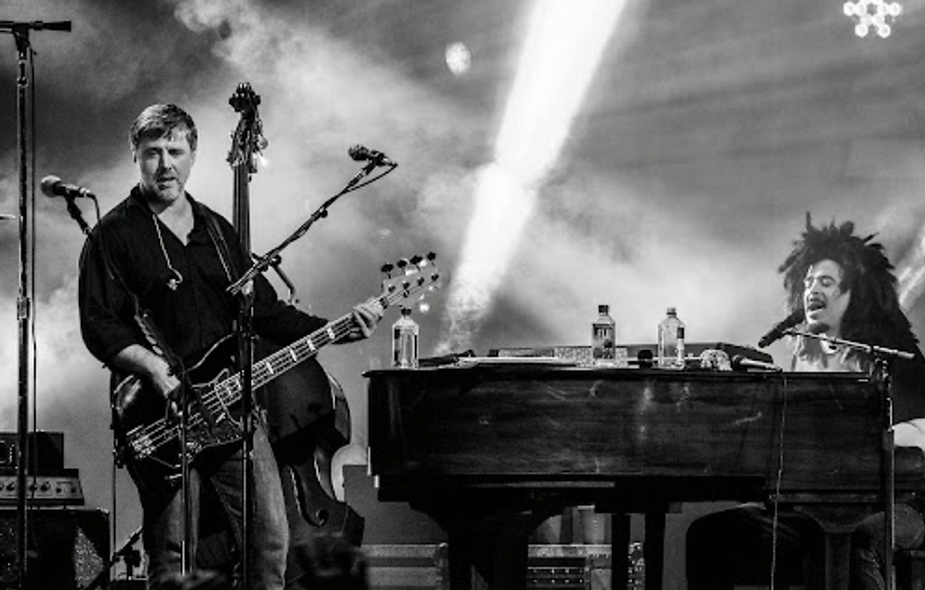
Counting Crows took the introspection of singer-songwriters like Joni Mitchell and Bob Dylan, the Americana roots of The Band, and the alternative rock energy of R.E.M., combining them into a sound that felt fresh yet familiar. This fusion of influences helped them create a unique space in the 1990s rock scene, appealing to fans of both classic rock and modern alternative music.
Counting Crows are known for taking classic songs and transforming them into deeply personal and unique interpretations during live performances and on record. Their ability to imbue covers with their own emotional and stylistic nuances has become a hallmark of the band. Below is a list of notable covers they’ve performed or recorded:
Counting Crows’ version of this 1970 classic was featured on their Hard Candy album and became a pop hit in 2002. With Vanessa Carlton providing backing vocals, they gave the song a modern, upbeat twist while maintaining its environmental message. The cover introduced the song to a new generation of fans.
A fan favorite at their live shows, Counting Crows’ rendition of this Grateful Dead classic is slower and more melancholic. Adam Duritz’s raw vocal delivery emphasizes the emotional weight of the lyrics, making it distinctly their own.
This haunting cover was included on Films About Ghosts: The Best Of... album. Counting Crows stripped the song down, replacing the original’s new wave sheen with a more reflective and acoustic-driven arrangement.
Frequently performed live, their cover of this country-rock classic highlights their love for Americana and folk traditions. The band’s harmonies and heartfelt delivery make it feel like one of their own songs.
Counting Crows often pay homage to The Boss during live performances. Their rendition of “Thunder Road” emphasizes the song’s yearning and storytelling, with Adam Duritz’s voice bringing a unique vulnerability to the iconic anthem.
In live performances, Counting Crows have tackled Leonard Cohen’s melancholic masterpiece. Duritz’s intimate vocal style pairs beautifully with the song’s raw, poetic lyricism, making it a standout moment in their setlists.
Their version of this Bob Dylan classic captures the rootsy feel of the original while infusing it with the band’s signature sound. It reflects their admiration for Dylan's songwriting and their ability to honor his legacy while making it their own.
While not a direct cover, this song borrows heavily from Travis’ “Four Horsemen,” showcasing the band’s ability to reinterpret and adapt songs into their own repertoire.
Their version of this Rolling Stones track is a tribute to the bluesy, country-rock roots of the original, often performed with raw instrumentation and heartfelt vocals.
Counting Crows covered this song for the Clueless soundtrack. They brought a more somber tone to the power-pop original, reflecting their ability to transform songs with their unique emotional lens.
In live shows, the band has occasionally covered this Rod Stewart classic, with Duritz channeling the reflective melancholy of the original while adding his own vocal flair.
Reinterpreting the Arrangement: They often change the tempo, instrumentation, or tone, transforming upbeat songs into introspective ballads or vice versa.
Emotional Depth: Adam Duritz’s ability to convey vulnerability and raw emotion adds a new dimension to every cover.
Live Improvisation: Their covers often evolve during live performances, reflecting the spontaneity and creativity of the band.
Counting Crows’ gear reflects their diverse and layered sound, combining elements of folk, rock, and alternative music. The band’s instrumentation includes both vintage and modern equipment, with each member contributing their unique style. Below is a breakdown of the gear typically used by Counting Crows over the years:
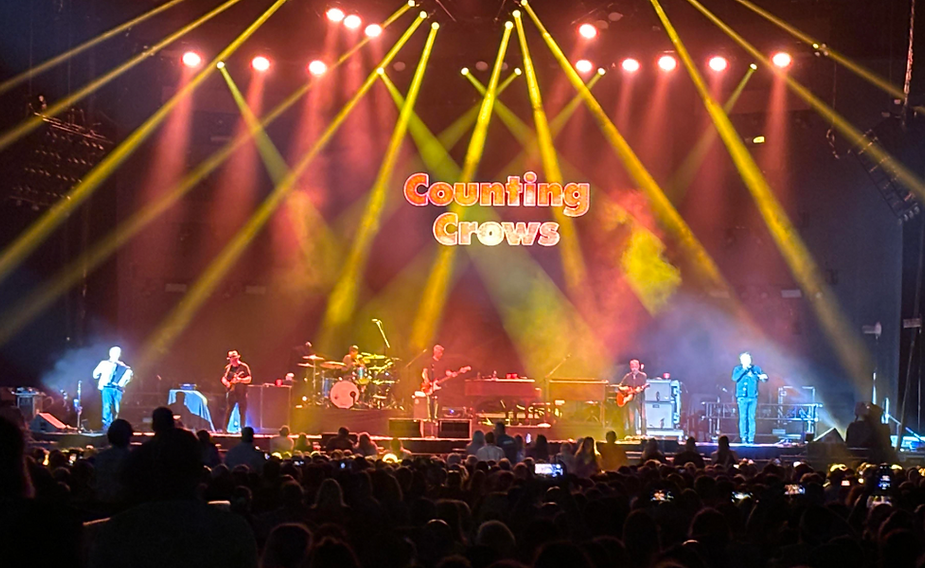
Bryson, a founding member, is known for his clean, melodic playing style and textural contributions.
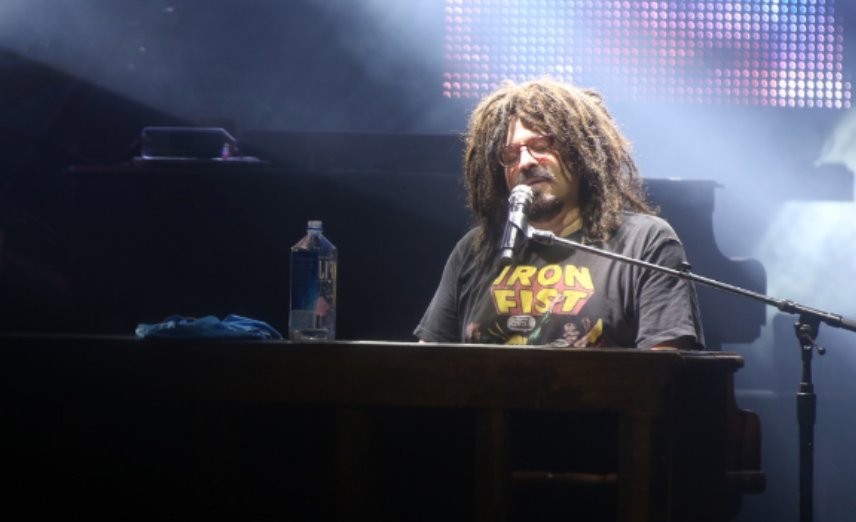
Vickrey joined the band after their debut album and brought a more aggressive, rock-oriented guitar style.
Gillingham’s keyboard and accordion playing add a rich, melodic layer to the band’s sound.
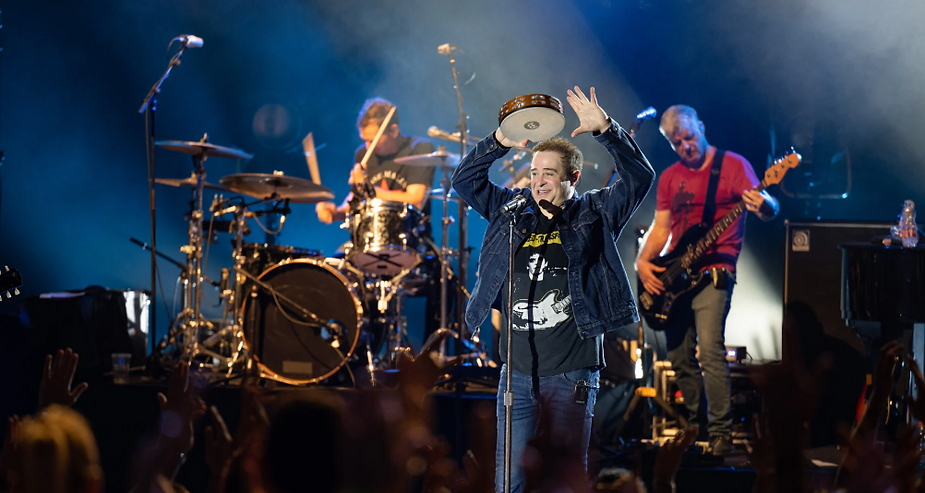
Bogios joined the band in the 2000s, bringing precision and power to the rhythm section.
Immerglück is a multi-instrumentalist who adds rich textures and unique sounds to the band’s arrangements.
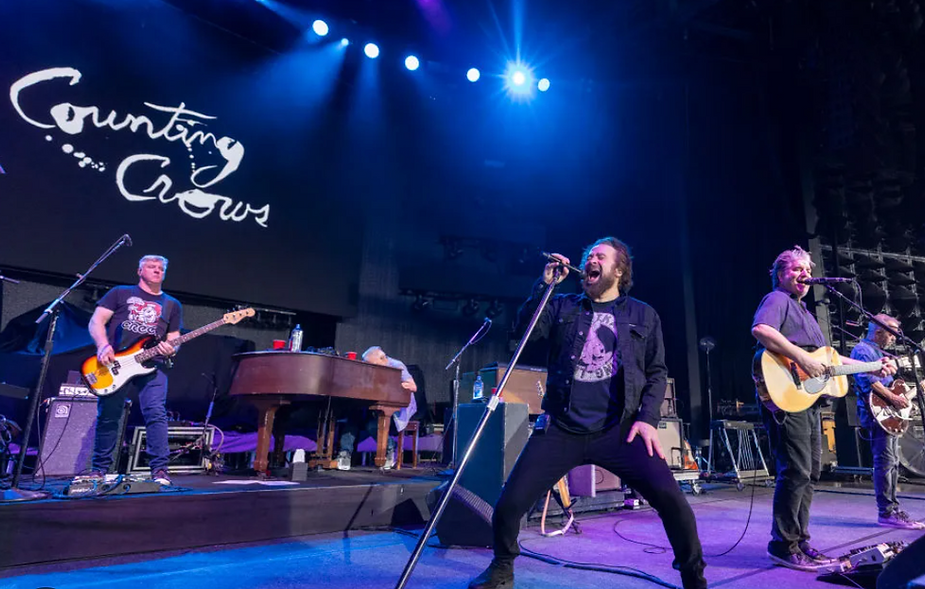
Powers plays a crucial role in anchoring the band’s rhythm section.
Counting Crows are known for their lush, layered sound both in the studio and live. Their live production often involves:
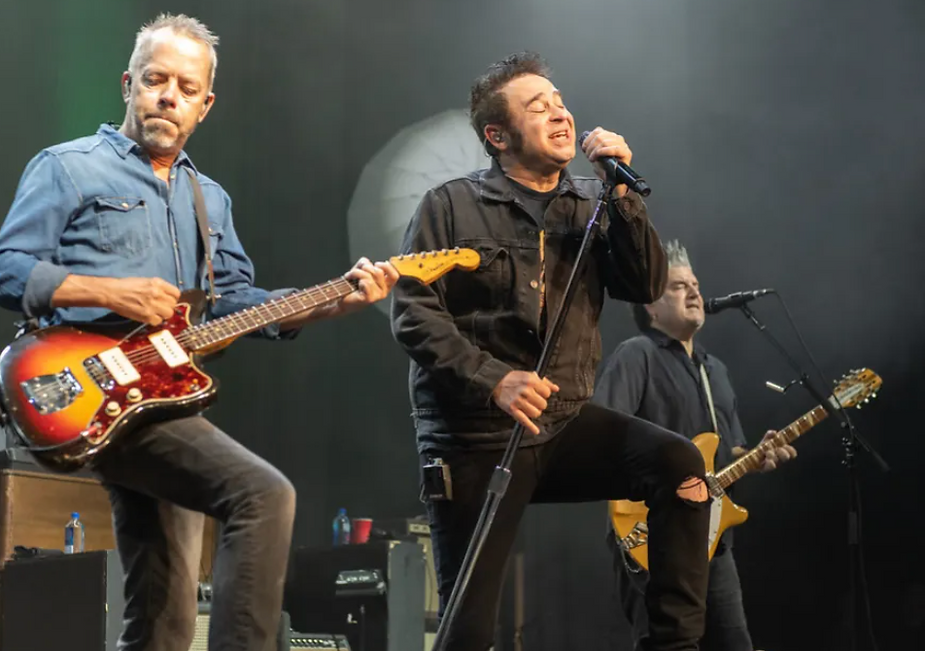
Counting Crows’ gear reflects their eclectic sound, blending folk, rock, and alternative elements. They rely on both vintage and modern equipment to craft a sound that is rich in texture and emotion. Each member’s setup contributes to their distinctive, timeless sound, which has remained consistent across decades.
Counting Crows’ covers showcase their reverence for musical history while highlighting their ability to reinterpret and breathe new life into classic songs, further cementing their place as one of the most versatile and emotionally resonant bands of their era.
-fotor-bg-remover-20251210165637.webp)


