-fotor-bg-remover-20251211141935.webp)
-fotor-bg-remover-20251211143525.webp)
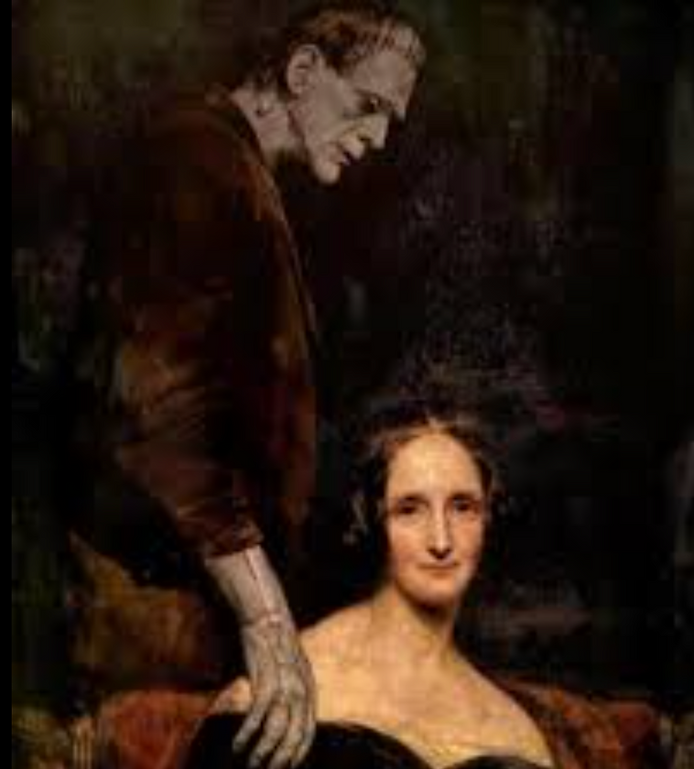
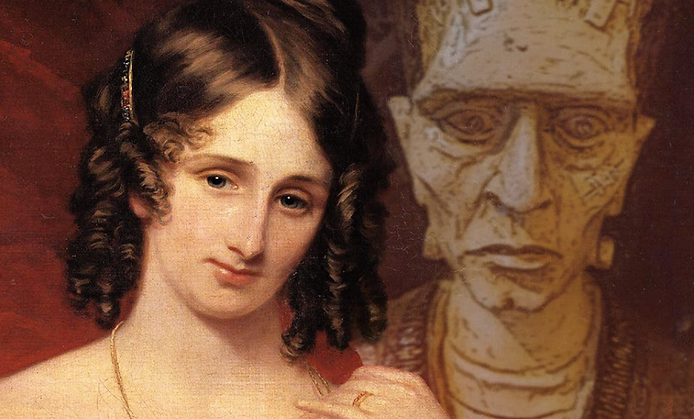
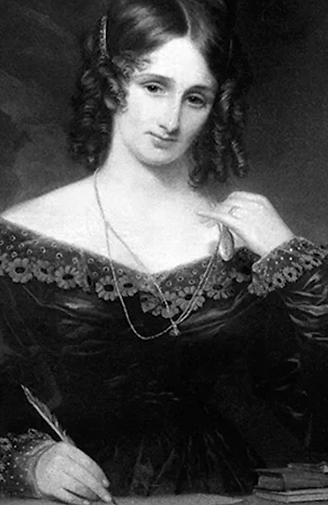
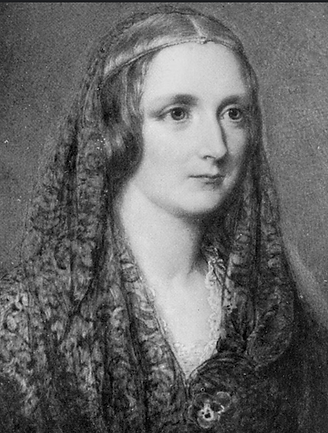
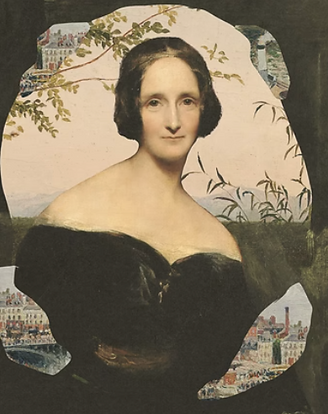
Mary Wollstonecraft Shelley (1797–1851) was an English novelist best known for her Gothic novel Frankenstein; or, The Modern Prometheus (1818), a pioneering work that is often considered an early example of science fiction.

Early Life and Education
Born on August 30, 1797, in London, Mary was the daughter of two prominent intellectuals: political philosopher William Godwin and feminist writer Mary Wollstonecraft. Tragically, her mother died shortly after her birth, and she was raised by her father, who provided her with a rich informal education, encouraging her to adhere to his own anarchist political theories. At the age of four, her father remarried, bringing a stepmother into Mary's life with whom she had a troubled relationship.

Rel
ationship with Percy Bysshe Shelley
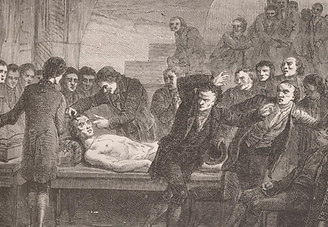
In 1814, Mary began a romance with one of her father's political followers, the poet Percy Bysshe Shelley, who was already married at the time. Together with her stepsister, Claire Clairmont, Mary and Percy traveled through Europe. Upon their return to England, Mary was pregnant with Percy's child. Over the next two years, the couple faced ostracism, constant debt, and the death of their prematurely born daughter. They married in late 1816, following the suicide of Percy's first wife, Harriet.
Creation of Frankenstein
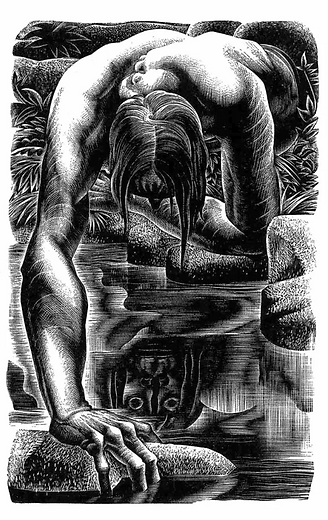
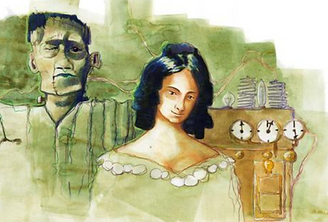
In the summer of 1816, Mary and Percy Shelley, along with Mary's stepsister Claire Clairmont, spent time near Geneva, Switzerland, with Lord Byron and John William Polidori. During this period, Lord Byron proposed that each member of the group write a ghost story. It was under these circumstances that Mary conceived the idea for her novel Frankenstein, which she completed and published anonymously in 1818.
Later Life and Works
After the publication of Frankenstein, the Shelleys moved to Italy, where they faced further personal tragedies, including the deaths of two more of their children. Mary eventually gave birth to her only surviving child, Percy Florence Shelley. In 1822, her husband Percy drowned when his sailboat sank during a storm near Viareggio. Following his death, Mary returned to England and dedicated herself to raising her son and pursuing a career as a professional author. She wrote several other novels, including Valperga (1823), The Last Man (1826), and the autobiographical Lodore (1835).
Death and Legacy
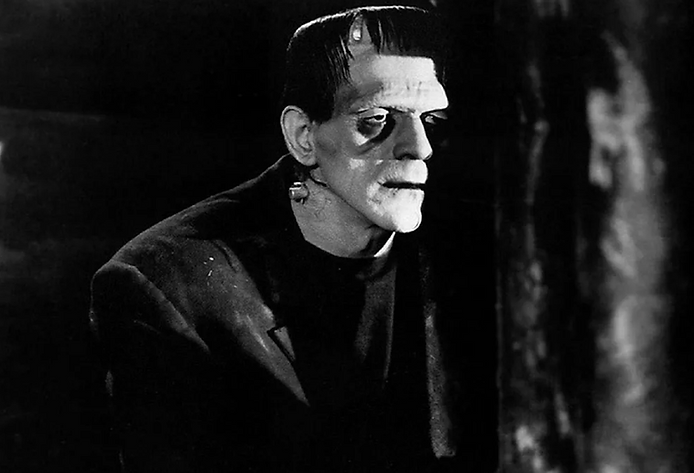
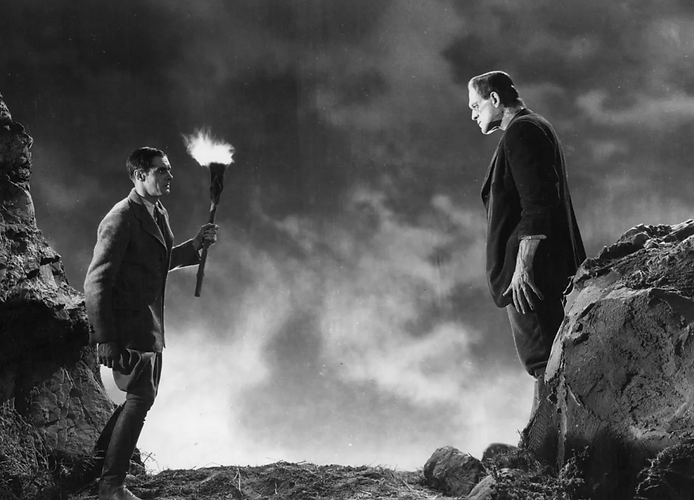
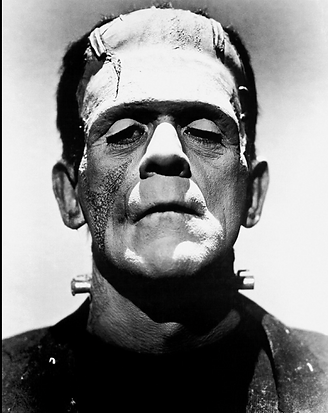
Mary Shelley passed away on February 1, 1851, in London, likely due to a brain tumor. Her novel Frankenstein has endured as a seminal work, exploring themes of creation, responsibility, and the ethical limits of scientific endeavor. It continues to inspire adaptations and discussions in literature, film, and other media, cementing her legacy as a foundational figure in Gothic literature and science fiction


Shelley’s Frankenstein is considered one of the first works of science fiction, blending elements of Gothic horror with speculative science.
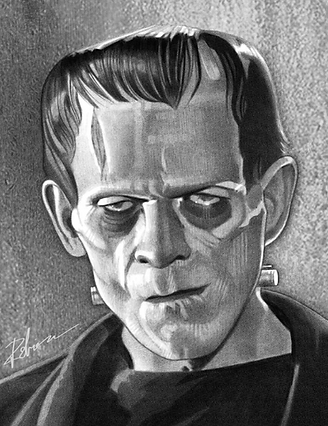
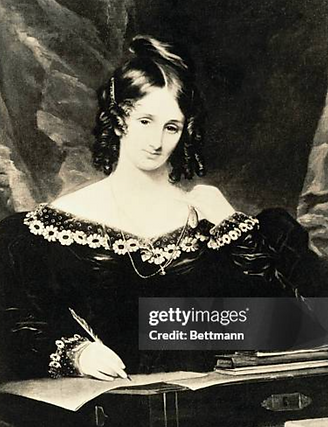

Shelley’s exploration of ethics and responsibility in Frankenstein set a precedent for later sci-fi works:
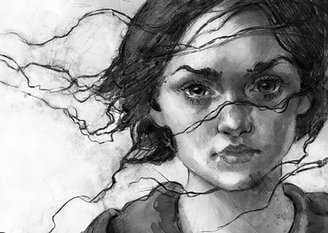
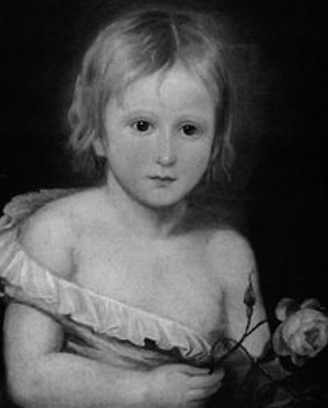
Shelley’s creation of the creature as a sympathetic monster influenced depictions of alienation and otherness in modern sci-fi:
Shelley also paved the way for women writers in science fiction.
Mary Shelley’s blending of scientific inquiry with horror led to subgenres such as:
Shelley’s Frankenstein remains a cultural touchstone, adapted and reinterpreted across media:

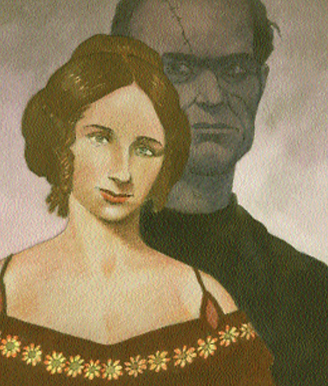
Mary Shelley’s visionary imagination transformed speculative fiction into a medium for exploring complex questions about science, humanity, and morality.
Her legacy as the originator of science fiction continues to inspire new generations of writers, filmmakers, and thinkers grappling with technological advancement and its impact on society.
-fotor-bg-remover-20251210165637.webp)


