-fotor-bg-remover-20251211141935.webp)
-fotor-bg-remover-20251211143525.webp)
Early Life and Musical Beginnings
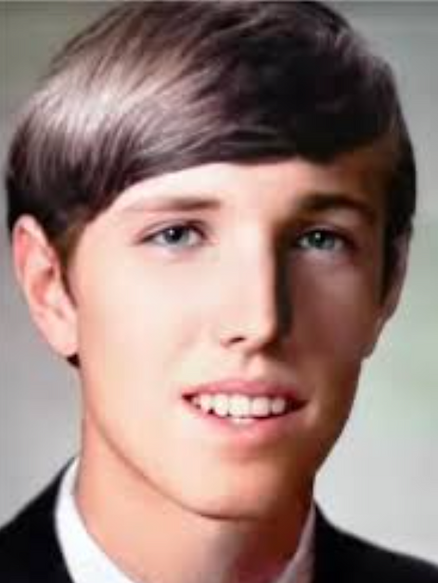
Tom Petty, born Thomas Earl Petty on October 20, 1950, in Gainesville, Florida, grew up in a working-class family. From a young age, Petty was drawn to music, inspired by the likes of Elvis Presley, The Beatles, and the Rolling Stones. He was particularly taken by the rebellious energy of rock and roll, which would later inform much of his own music.
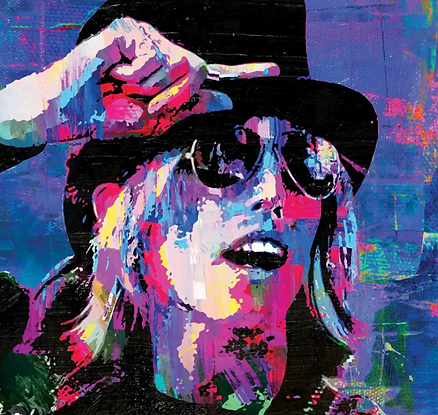
At the age of 10, Petty had an encounter with Elvis Presley on the set of a movie being filmed in Gainesville. The moment would leave an indelible mark on him, fueling his desire to pursue music professionally. As a teenager, he formed his first band, The Epics, and began experimenting with rock music, learning guitar, and writing songs.

In the early 1970s, Petty formed Mudcrutch, a band that included future Heartbreakers guitarist Mike Campbell and keyboardist Benmont Tench. While Mudcrutch found limited success, it marked the beginning of Petty's longstanding partnerships with Campbell and Tench. After Mudcrutch disbanded, Petty reformed with these musicians to create Tom Petty and the Heartbreakers in 1976.
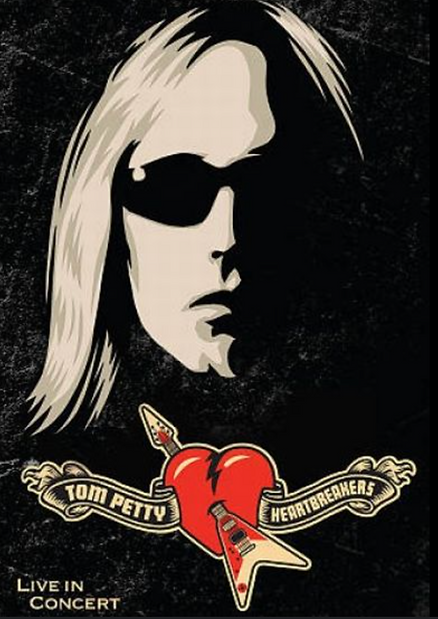
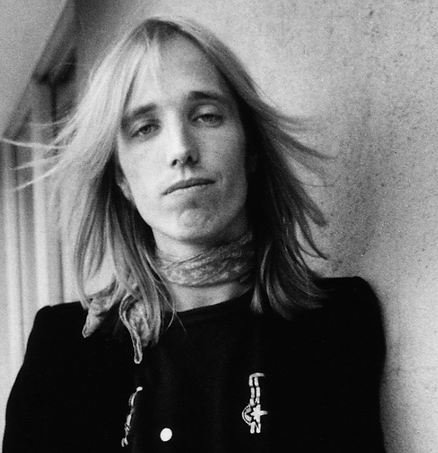
The self-titled debut album of Tom Petty and the Heartbreakers (1976) marked the beginning of Petty's rise to stardom. The album didn't immediately chart but contained the seeds of what would become an iconic career. "Breakdown" and "American Girl" quickly became fan favorites, the latter eventually emerging as a classic anthem in the American rock canon.
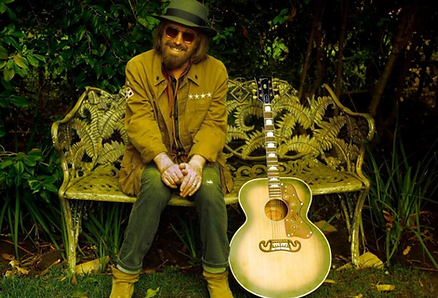
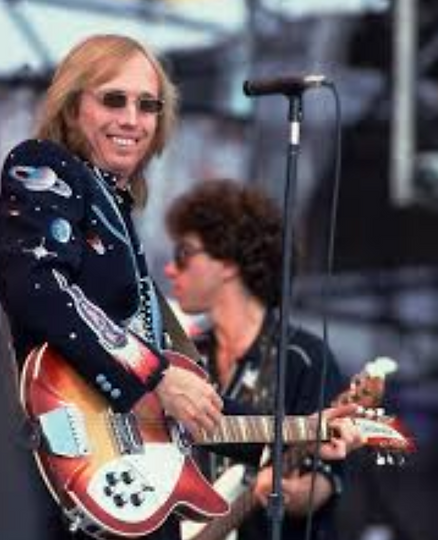
The band’s breakthrough came in 1979 with "Damn the Torpedoes", an album that went on to define Petty's career. The album was a massive commercial success, propelled by the hits "Refugee" and "Don't Do Me Like That." The songs carried the raw energy of Petty's songwriting, often exploring themes of heartbreak, freedom, and rebellion, wrapped in catchy hooks and anthemic choruses.
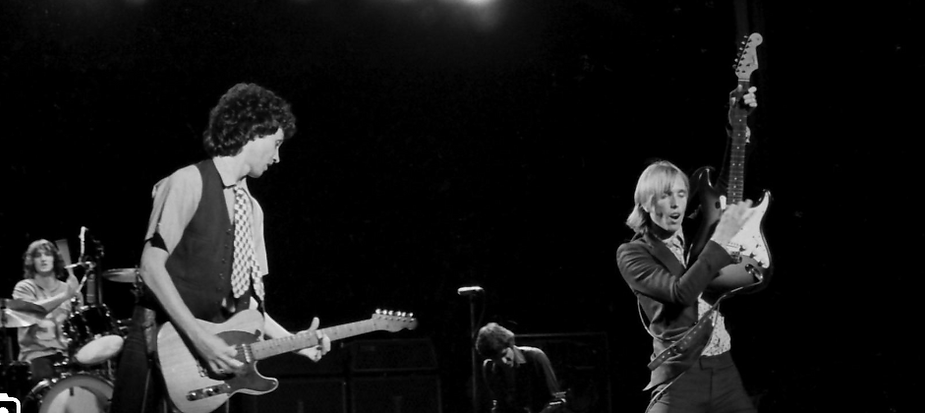
After years of pushing boundaries with the Heartbreakers, Petty embarked on a solo career with the release of "Full Moon Fever" in 1989. Though billed as a solo effort, the album featured close collaborators such as Mike Campbell and producer Jeff Lynne (of Electric Light Orchestra), whose influence helped shape the album's smooth, radio-friendly sound.
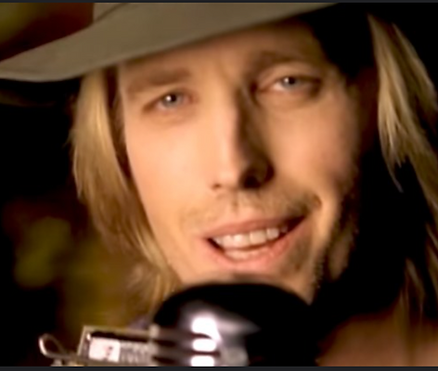
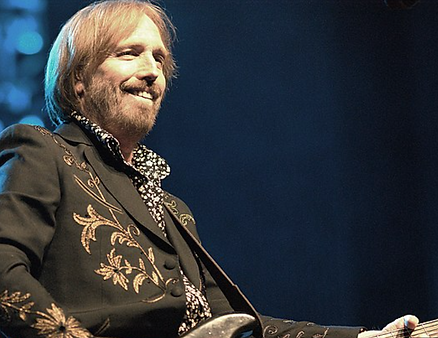
The album spawned some of Petty’s most enduring hits, including "Free Fallin'", "I Won’t Back Down", and "Runnin’ Down a Dream." "Free Fallin'" became a cultural touchstone, capturing the feeling of vulnerability and independence that was central to Petty's appeal.
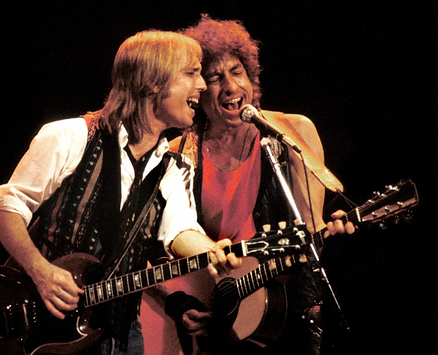
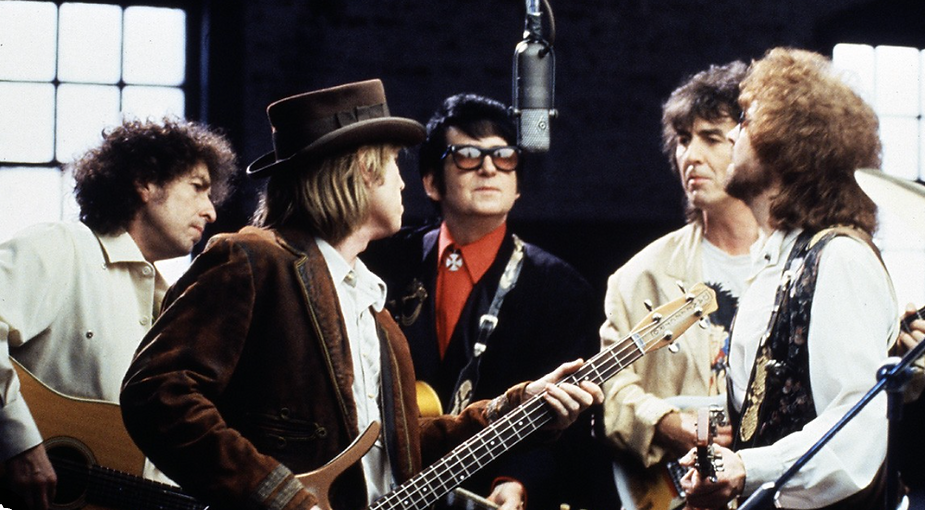
In 1988, Petty was invited to join the Traveling Wilburys, a supergroup formed by George Harrison, Bob Dylan, Roy Orbison, Jeff Lynne, and Petty. The group’s debut album, "Traveling Wilburys Vol. 1", was a surprise hit, with the band’s unique blend of talents creating songs that felt timeless. The album's lead single, "Handle with Care", became one of the group's most successful songs, with Petty's contribution on vocals and guitar adding to the group’s distinctive sound.
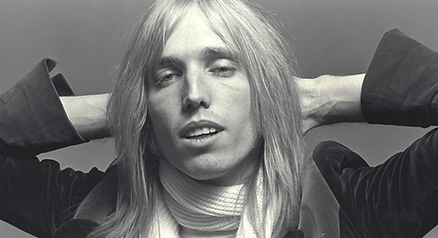
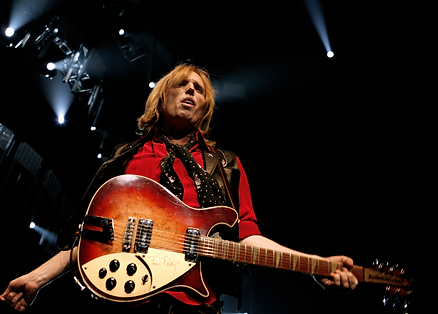
The Wilburys became a significant part of Petty’s career, offering him a collaborative outlet alongside some of his greatest musical influences. The band's chemistry was undeniable, and their collective spirit carried on in their second album, "Traveling Wilburys Vol. 3", after Orbison's death in 1988.
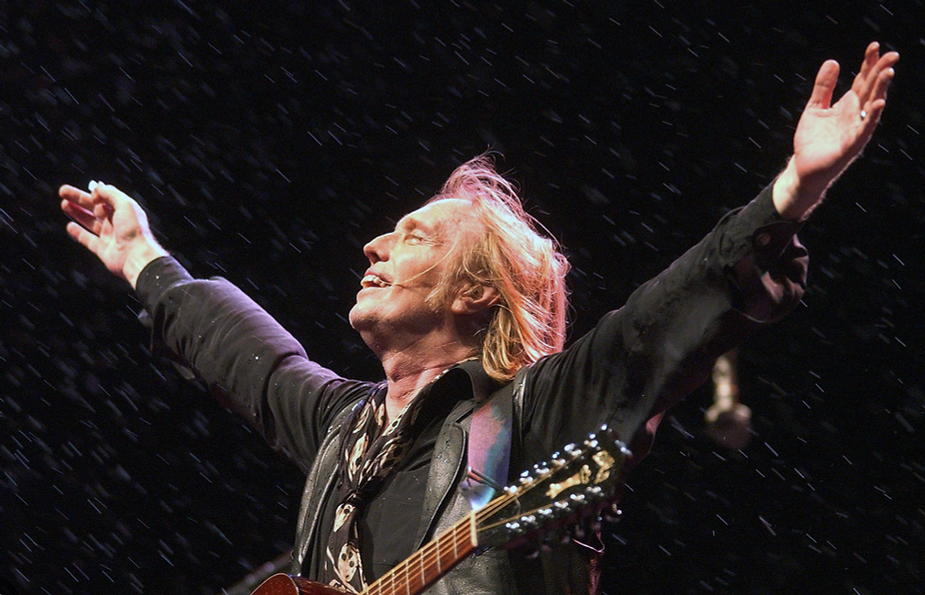
In the 1990s, Petty continued to evolve as both a solo artist and bandleader. The Heartbreakers released "Into the Great Wide Open" (1991), featuring the hit "Learning to Fly." The album, produced by Jeff Lynne, was a continuation of the band's exploration of rock with a polished, radio-friendly sound. Throughout the decade, Petty's output included the introspective "Wildflowers" (1994), which featured hits like "You Don't Know How It Feels" and "It's Good to Be King."
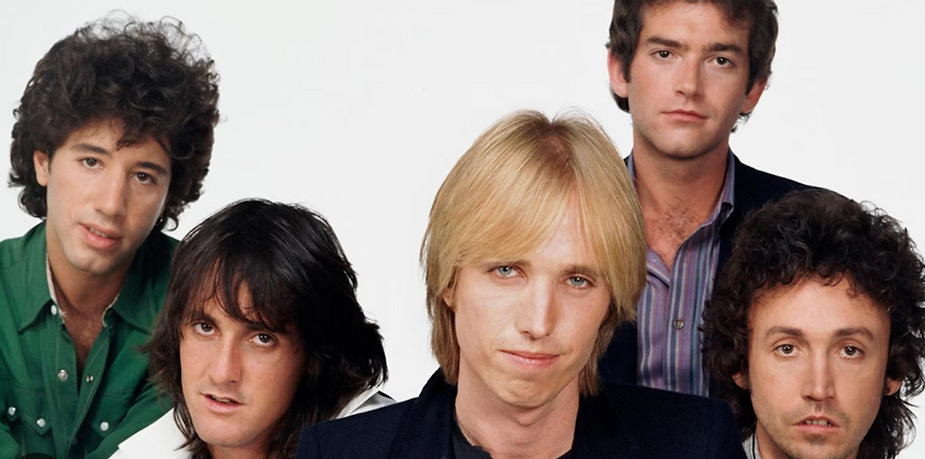
As the years went by, Petty’s relationship with the music industry and fame grew more complex. His 2002 album "The Last DJ" was a pointed critique of the corporate nature of the modern music business. Petty expressed disillusionment with the industry, emphasizing his loyalty to artistry and his passion for songwriting over commercial success.
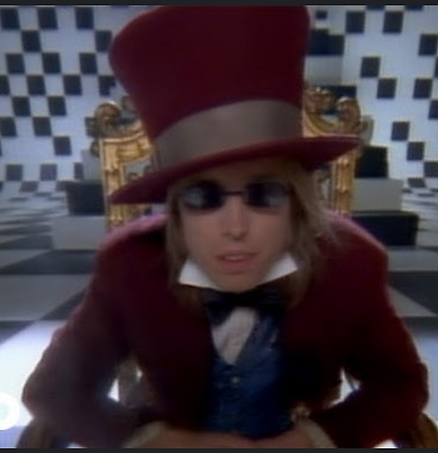
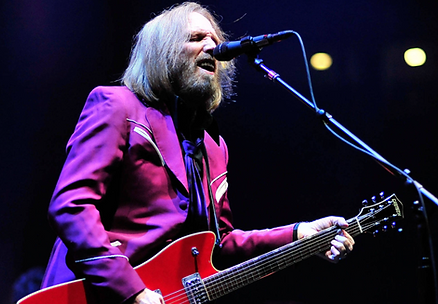
Tom Petty’s later years included his band’s 40th Anniversary Tour in 2017. The tour was a triumph for both Petty and the Heartbreakers, showcasing the enduring power of their music. However, just days after the tour ended, Petty tragically passed away on October 2, 2017, from an accidental overdose at the age of 66.
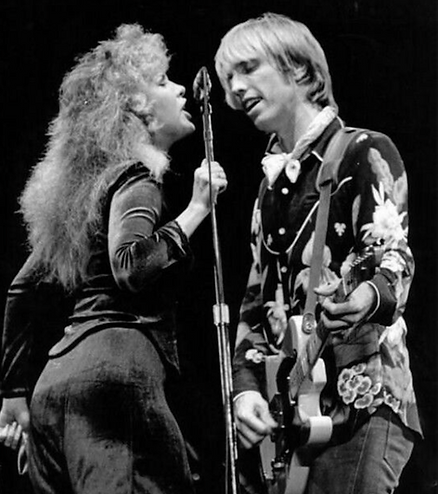
Petty’s death left a profound void in the rock world, with tributes flooding in from artists and fans alike. His longtime collaborator Mike Campbell shared, “Tom was the greatest songwriter that ever lived, and it was an honor to be his friend and musical partner.”
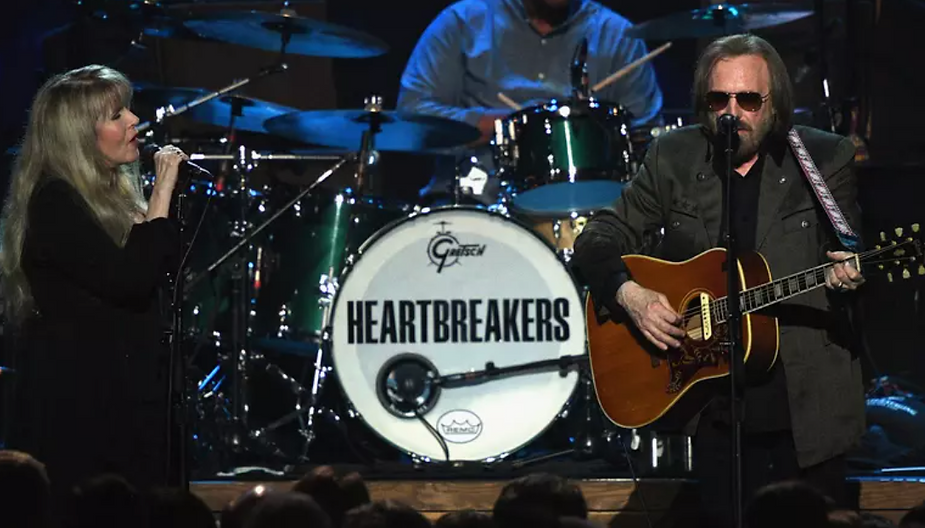
Stevie Nicks, who had collaborated with Petty on the iconic duet "Stop Draggin’ My Heart Around", said, "Tom’s music was always an open door to me, and it gave me great joy to walk through it."
In the wake of his passing, Petty’s music has continued to resonate deeply with fans and musicians. His songs, often centered around universal themes of love, loss, freedom, and self-reliance, remain timeless. Hits like "American Girl", "I Won’t Back Down", and "Free Fallin’" have become anthems of American rock and roll, capturing the restless spirit of a generation.
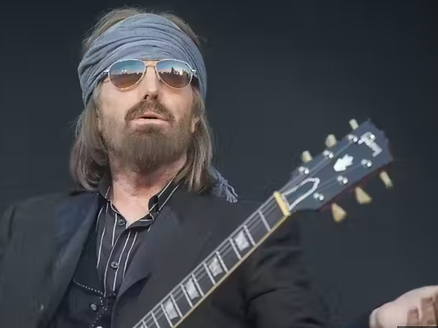
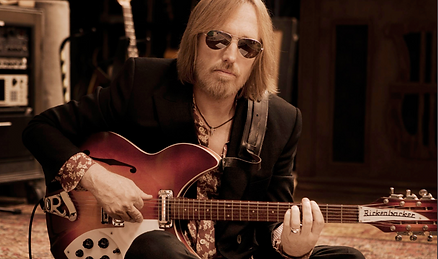
Tom Petty's influence on rock and roll is undeniable. He crafted songs that bridged the gap between the American heartland and the larger-than-life aspirations of rock stardom. His music spoke to the everyman, giving voice to both personal struggles and universal themes of resilience, love, and independence. Through his collaborations, his innovative approach to songwriting, and his consistent refusal to compromise, Petty became one of the most respected figures in modern rock.
As he famously sang, "You belong somewhere you feel free." Tom Petty’s music continues to serve as a reminder that freedom lies in living authentically, and his legacy endures as a testament to the power of song.
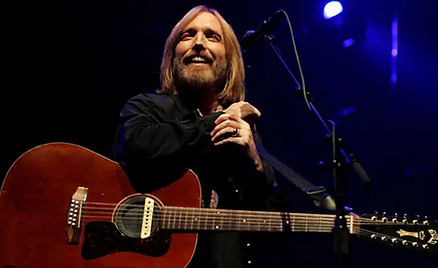
Collaborations and Supergroups
Petty's career was marked by significant collaborations:
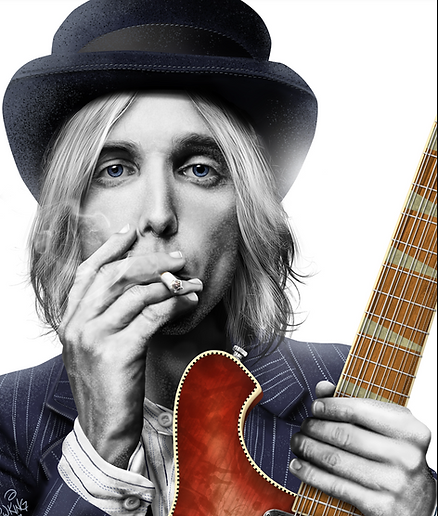
Solo Career and Continued Success
Petty's solo endeavors showcased his versatility:
Legacy and Influence
Petty's influence extended beyond his own performances:
Recent Developments
Petty's legacy continues to be celebrated posthumously:
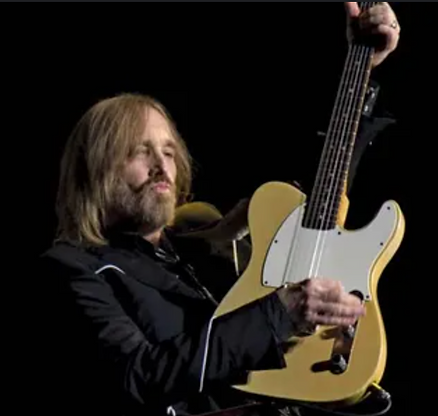
Tom Petty's enduring influence on rock music is evident through his extensive body of work and the numerous artists he collaborated with throughout his career. His music continues to resonate with audiences, reflecting the timeless appeal of his artistry.
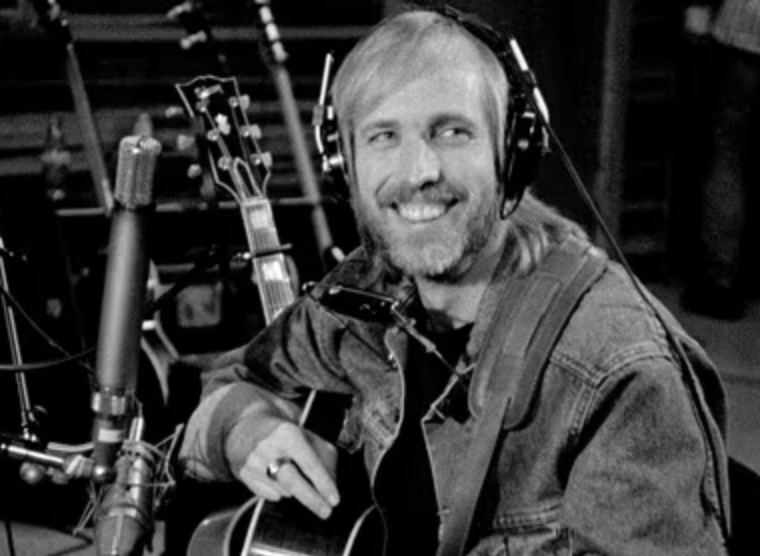
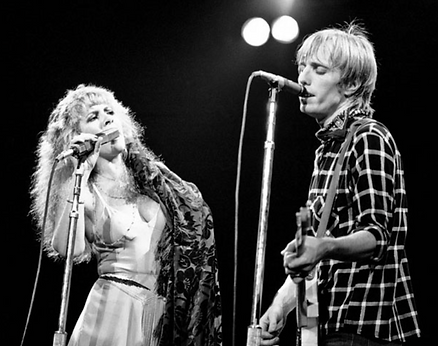
You who ran down a dream,a quiet rebel in the heart of America.
You stood at the edge of a freeway,your hands in your pockets,unsure whether to go left or right—but knowing, somehow,that the waiting was the hardest part.
You sang of heartbreak and freedom,of learning to fly with wings of grit.In the silence between chords,we heard the sound of something lost—a place to call home,the faces of people we never met,but knew all too well.
You kept running,never backing down,even when the road was roughand you had to stop draggin’ your heart around.You said it all,and yet said nothing at all—words that were more than lyrics,they were prayers to the broken.
"American Girl,"in every corner of every town,dreaming of something bigger,but unsure how to find it.You gave us the map,the direction,but never told us where to go—just that the journey was the point.
You walked the long road,but we all felt like we were right beside you,sharing the burden,waiting for the next chord to strike,the next word to echo in our hearts—and when you sang “I Won’t Back Down,”we believed it with you.
Now you’re gone,but your voice still echoes in the quiet nights,in the places where dreams are madeand hearts are lost.We won’t stop tryin’,won’t stop believin’,because your songswill never fade away.
-fotor-bg-remover-20251210165637.webp)


