-fotor-bg-remover-20251211141935.webp)
-fotor-bg-remover-20251211143525.webp)
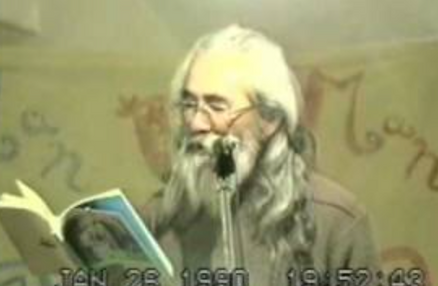
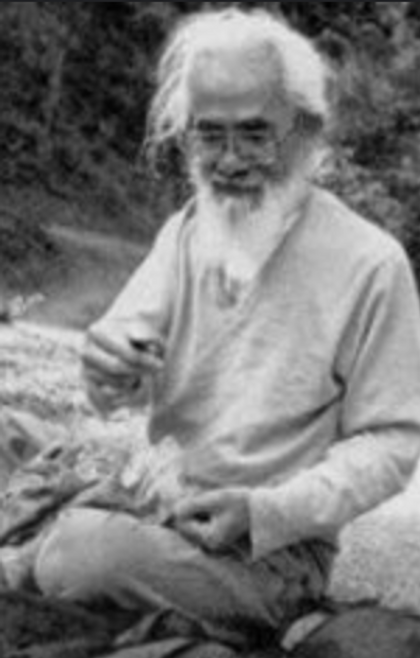
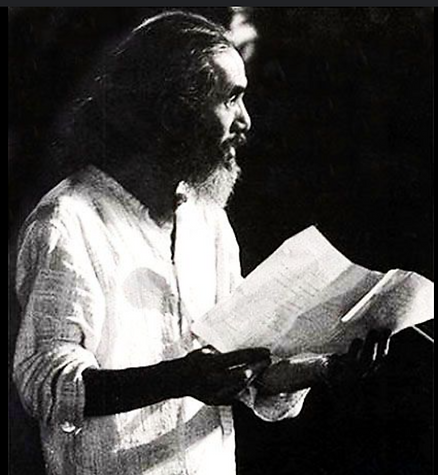
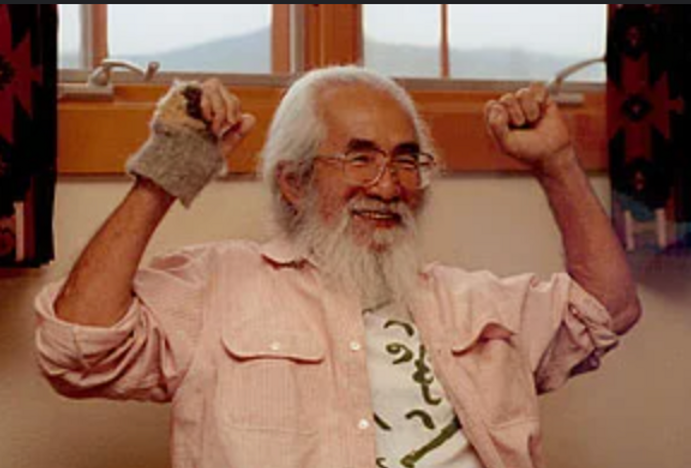
Nanao Sakaki (1923–2008) was a Japanese poet renowned for his nomadic lifestyle, deep connection to nature, and significant influence on both Japanese and Western literary circles, including the Beat Generation.
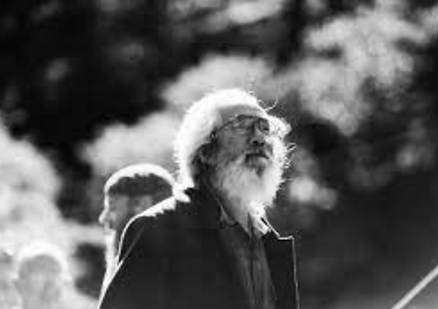
Early Life and Transformation
Born in Kagoshima Prefecture, Japan, Sakaki was conscripted into the Japanese military during World War II, serving as a radar operator. The war's devastation profoundly impacted him, leading to a rejection of materialism and societal conventions. Embracing a life of voluntary simplicity, he became a "walking poet," traversing Japan's landscapes and immersing himself in nature.
The Travel Club
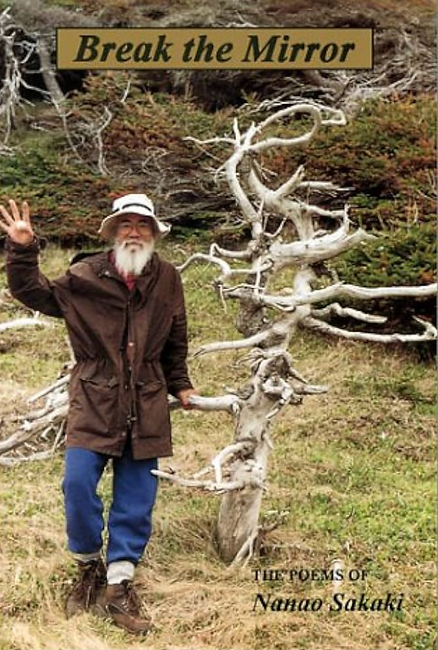
Break The Mirror
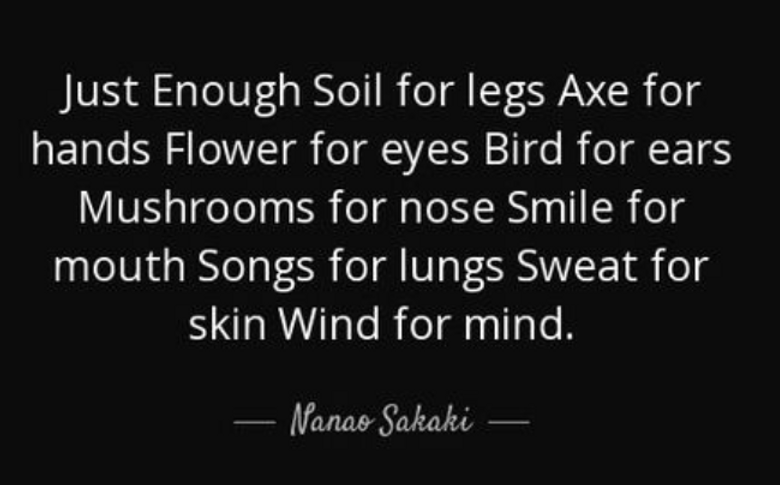
Sakaki's poetry reflects his reverence for the natural world, blending traditional Japanese aesthetics with a modern, free-spirited sensibility. His works, such as "Break the Mirror," emphasize themes of environmentalism, peace, and spiritual freedom. He was a central figure in Japan's countercultural movement, advocating for ecological awareness and a return to harmonious living with the earth.
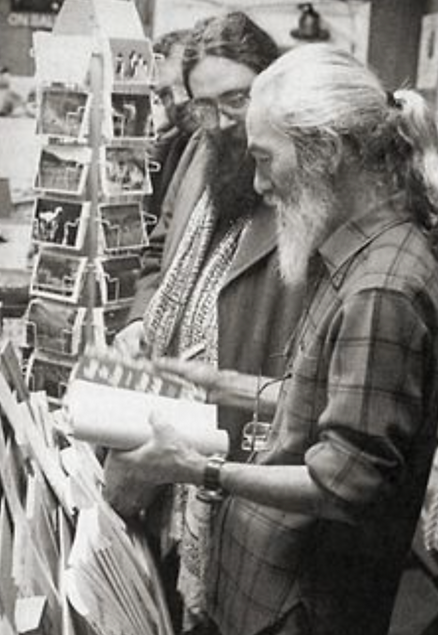
Influence on the Beat Generation
In the 1960s and 1970s, Sakaki's travels led him to the United States, where he connected with prominent Beat poets like Gary Snyder and Allen Ginsberg. These interactions fostered a cross-cultural exchange of ideas, with Sakaki introducing aspects of Japanese Zen and ecological consciousness to the Beat community. His friendship with Snyder was particularly influential, as both shared a deep appreciation for nature and Buddhist philosophy.
Allen Ginsberg
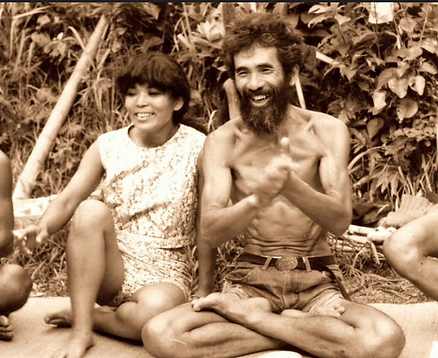
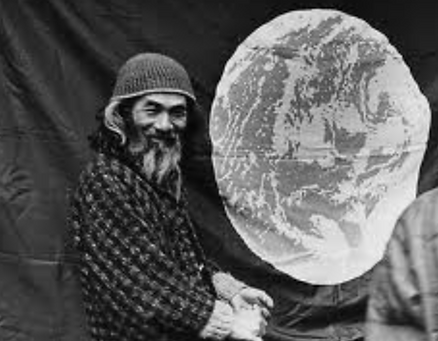
Nanao Forever
Sakaki's life and work continue to inspire those seeking a deeper connection to nature and a life unbound by societal constraints. His centenary in 2023 was commemorated by admirers worldwide, reflecting his enduring impact on global literary and ecological movements.
Nanao Sakaki’s influence on the Beat Poets stems from his shared ethos of freedom, nature worship, Zen spirituality, and anti-materialism, which deeply resonated with their countercultural values. His connections with key Beat figures, particularly Gary Snyder and Allen Ginsberg, created a cross-cultural exchange that left an imprint on both American and Japanese poetry.
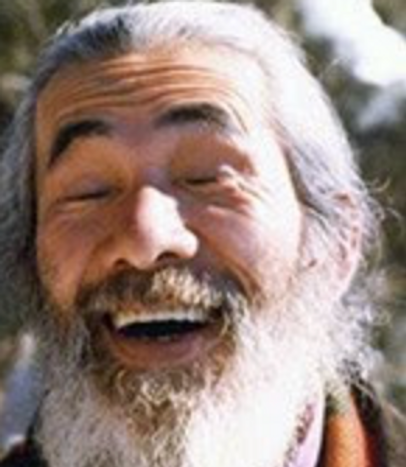
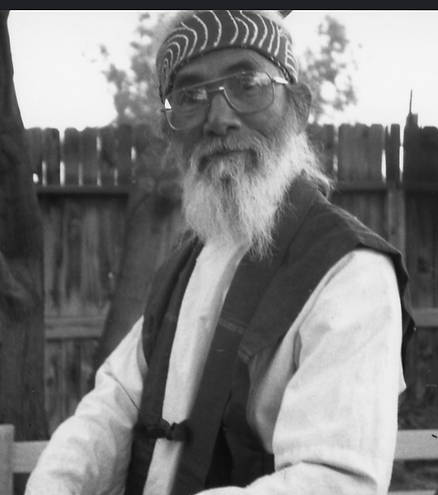
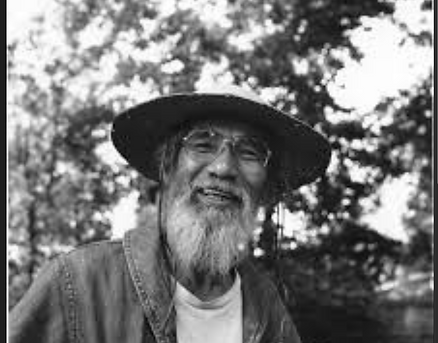
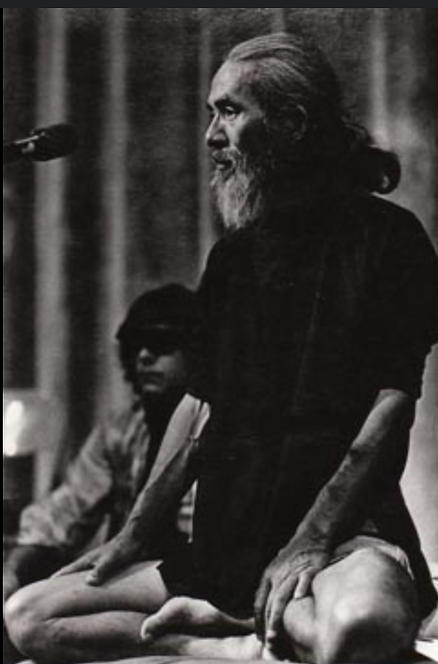
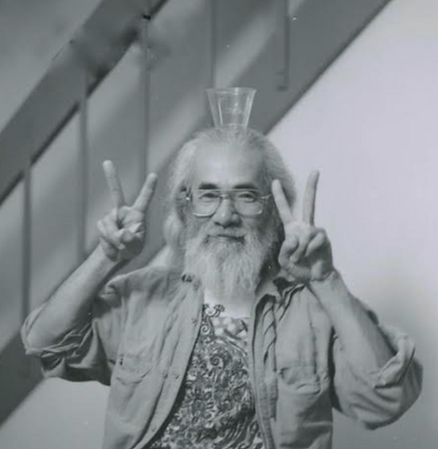

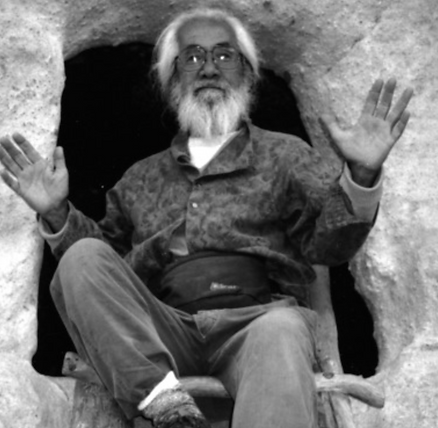
Nanao Sakaki’s influence on the Beat Poets extended beyond words—he embodied a lifestyle of freedom, simplicity, and reverence for the natural world. His collaborations and friendships fostered a cross-cultural exchange that continues to inspire eco-poets, Zen practitioners, and those seeking artistic liberation.


-fotor-bg-remover-20251210165637.webp)


