-fotor-bg-remover-20251211141935.webp)
-fotor-bg-remover-20251211143525.webp)
Steven Spielberg, born on December 18, 1946, in Cincinnati, Ohio, is one of the most celebrated filmmakers in history. Known for his unparalleled ability to blend heartfelt emotion with groundbreaking spectacle,

Spielberg has been a dominant force in the film industry for over five decades. From creating the blockbuster era with Jaws to crafting poignant dramas like Schindler’s List, Spielberg’s work has touched millions, reshaped Hollywood, and established him as a cultural icon.
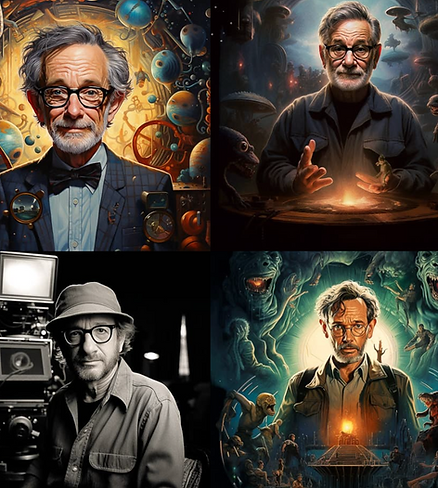
Steven Allan Spielberg was the eldest child of Arnold Spielberg, a computer engineer, and Leah Adler, a concert pianist and restaurateur. His family moved frequently during his childhood, living in cities such as Haddon Township, New Jersey, and Scottsdale, Arizona.
Spielberg was drawn to storytelling from a young age. His fascination with film began when he saw The Greatest Show on Earth (1952) at age six, which inspired him to start making 8mm home movies with his father’s camera.
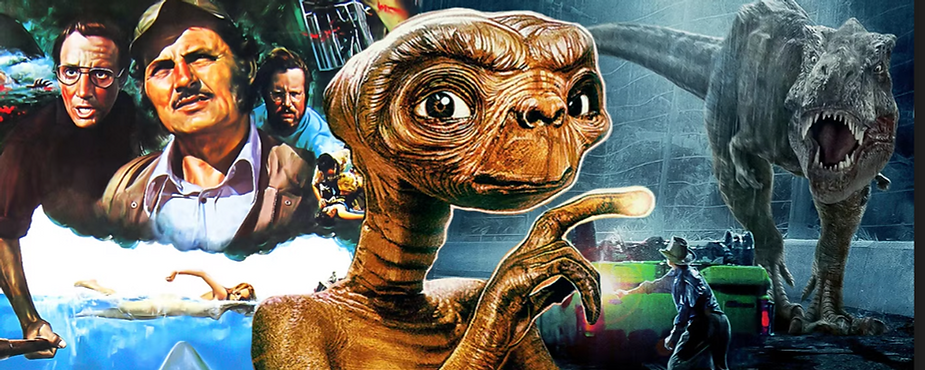
His early films were often adventure stories, war dramas, or science fiction, genres that would later dominate his career. By age 13, Spielberg had already won a prize for a short film, Escape to Nowhere, about a WWII battle. At 16, he made a 140-minute science-fiction film called Firelight, which premiered at a local theater.
Despite his burgeoning talent, Spielberg faced academic challenges and rejection. He was denied admission to the University of Southern California's film school and instead attended California State University, Long Beach, where he studied English while continuing to pursue filmmaking independently.

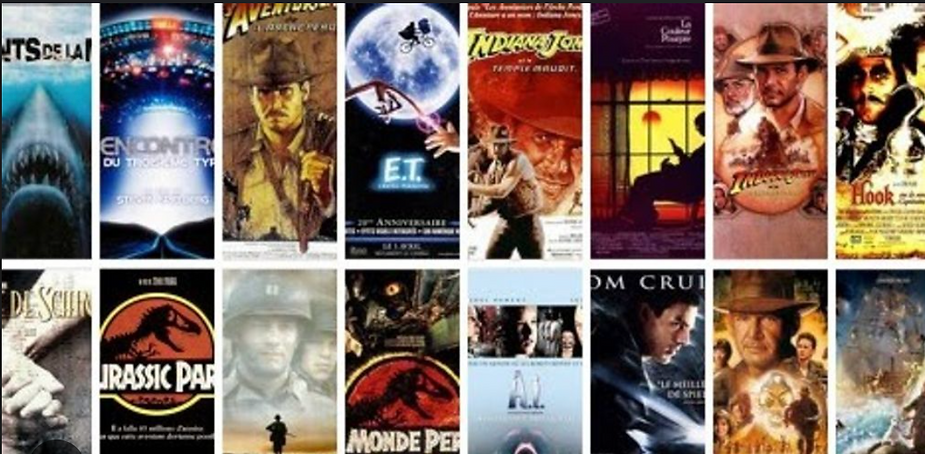
In 1969, Spielberg directed a short film, Amblin’, which caught the attention of Universal Studios. At just 22, he became the youngest director ever signed to a long-term deal with a major studio. His early career was marked by work in television, where he directed episodes of shows like Columbo and Night Gallery.

One of his most notable early works was the 1971 TV movie Duel, a taut thriller about a man pursued by a mysterious truck driver. Duel was so well-received that it was later released in theaters, solidifying Spielberg’s reputation as a director to watch.
Spielberg’s first major feature, The Sugarland Express (1974), was critically acclaimed but commercially modest. However, his next project, Jaws, became a cultural phenomenon. Released in 1975, this thriller about a man-eating shark terrorizing a small beach town revolutionized cinema. Despite production challenges, including a malfunctioning mechanical shark, Spielberg’s use of suspense, innovative camera techniques, and John Williams’ iconic score turned Jaws into the first true summer blockbuster. It grossed over $470 million worldwide and earned Spielberg his first taste of global fame.
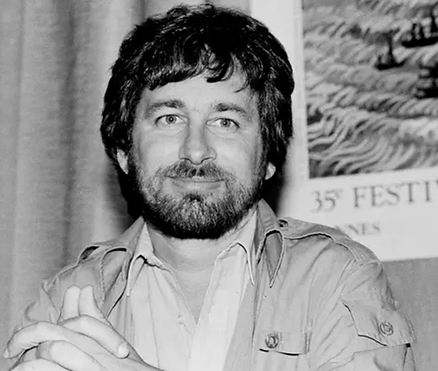
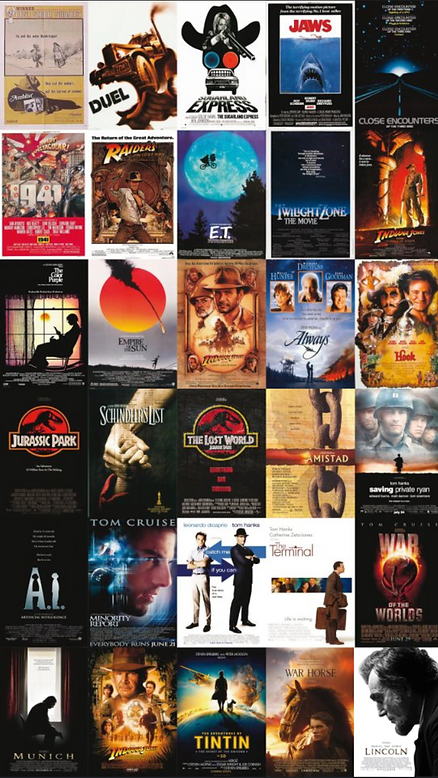
Following Jaws, Spielberg embarked on a series of groundbreaking films that solidified his status as Hollywood’s premier filmmaker.
While Spielberg became synonymous with blockbuster entertainment, he also pursued deeply personal and dramatic projects that showcased his range as a filmmaker.



In addition to his directing career, Spielberg became a powerhouse producer and entrepreneur.
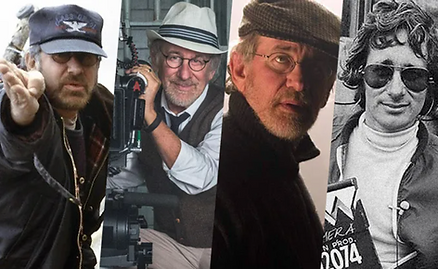
Spielberg’s career continued to flourish in the 21st century, with films that spanned genres and themes.
Steven Spielberg’s influence on cinema is immeasurable. Known as the “father of the blockbuster,” he pioneered the modern Hollywood model of high-concept storytelling paired with wide commercial appeal. His films, often marked by themes of wonder, resilience, and human connection, have left an indelible mark on global culture.
Spielberg has also mentored numerous filmmakers, championed technological innovation, and elevated the importance of storytelling in the digital age. His work continues to inspire directors, from J.J. Abrams to Christopher Nolan, proving his lasting impact on the craft of filmmaking.
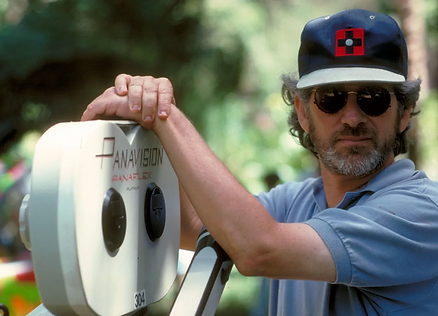
Spielberg has received countless honors, including:
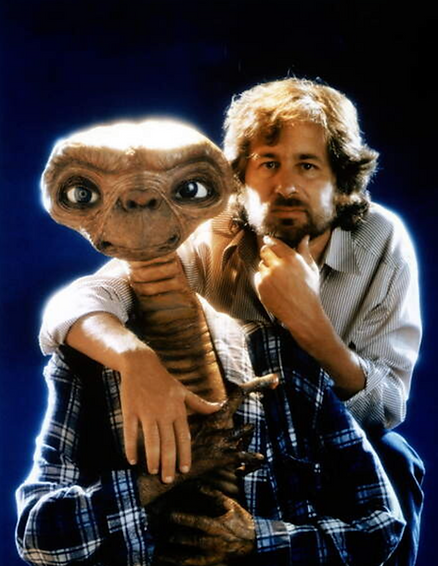
Steven Spielberg’s career is a testament to the power of imagination, innovation, and emotional storytelling. From creating iconic blockbusters to crafting deeply moving dramas,

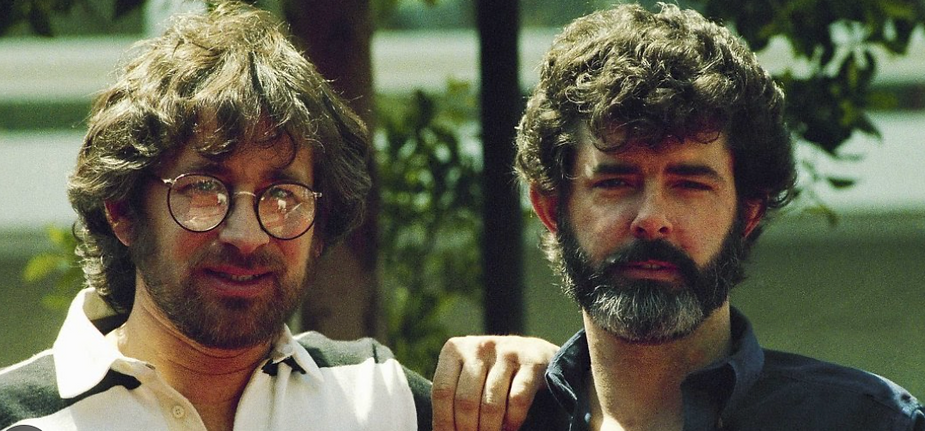
Spielberg has consistently pushed the boundaries of cinema while remaining deeply connected to his audience. His ability to capture both spectacle and soul ensures his place as one of the greatest filmmakers of all time.
-fotor-bg-remover-20251210165637.webp)


