-fotor-bg-remover-20251211141935.webp)
-fotor-bg-remover-20251211143525.webp)
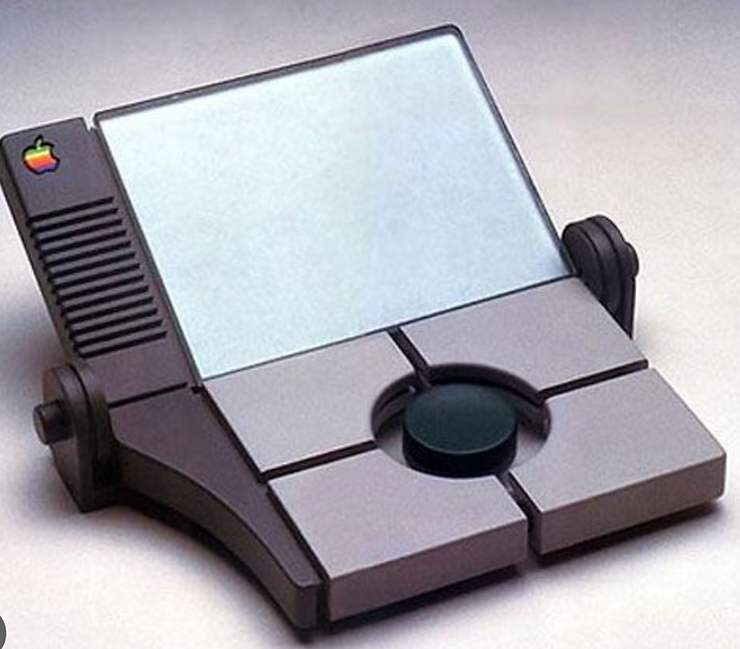
Apple’s Knowledge Navigator is one of the most fascinating examples of a company envisioning the future of technology long before it became reality. Introduced in 1987, it was a concept video created by Apple to showcase what personal computing and artificial intelligence might look like decades into the future. It anticipated innovations such as the iPad, Siri, video calls,
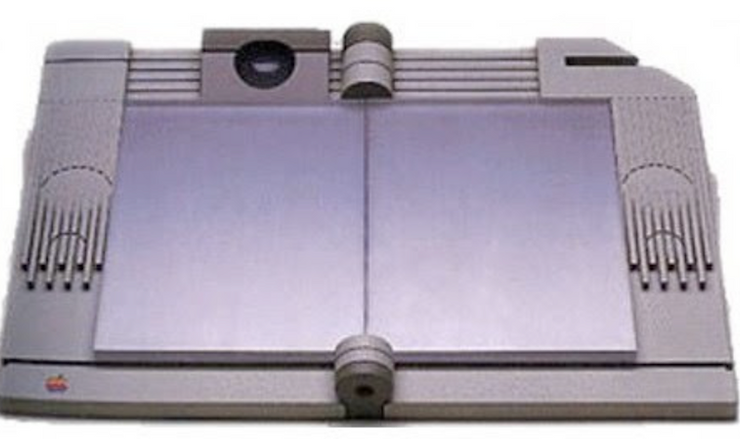
AI assistants, and hyperconnected information networks—all of which are now commonplace.
The Knowledge Navigator was part of a broader initiative led by then-CEO John Sculley to outline Apple’s long-term vision. In his book, Odyssey: Pepsi to Apple, Sculley described the idea of a "Knowledge Navigator"—a virtual assistant powered by artificial intelligence that could retrieve information, schedule meetings, and help with research.
The vision emerged during an era when personal computers were still relativel
y new, and the internet as we know it didn’t exist. Apple’s designers and engineers imagined a world where technology would seamlessly integrate into daily life, acting as a knowledge companion rather than just a tool for computation.

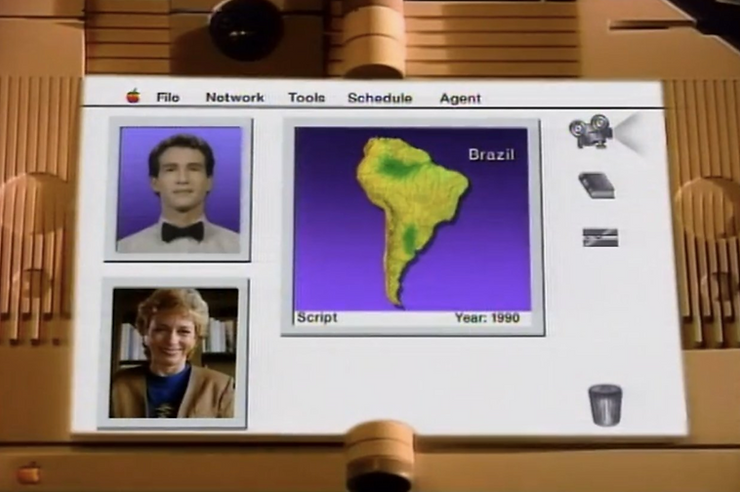
The concept video depicted a professor interacting with a tablet-like device featuring:
In the video, the professor uses the Knowledge Navigator to:
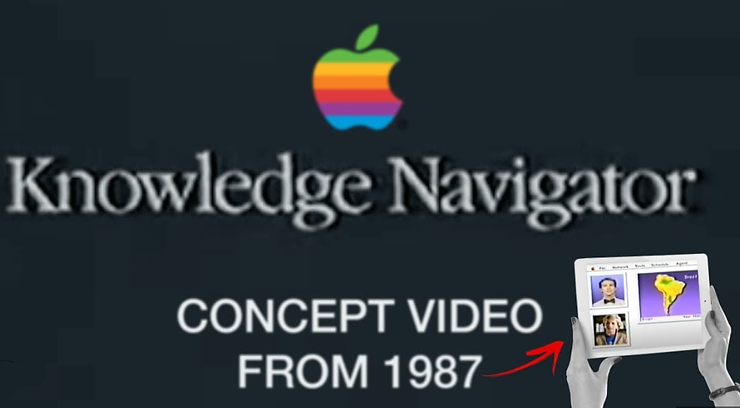
When unveiled, the Knowledge Navigator seemed wildly futuristic. Critics dismissed it as science fiction, while tech visionaries marveled at its possibilities. Many believed it was too ambitious for the 1980s, given the limited hardware and software capabilities of the time.
The ideas showcased in the Knowledge Navigator video planted seeds for the following innovations:
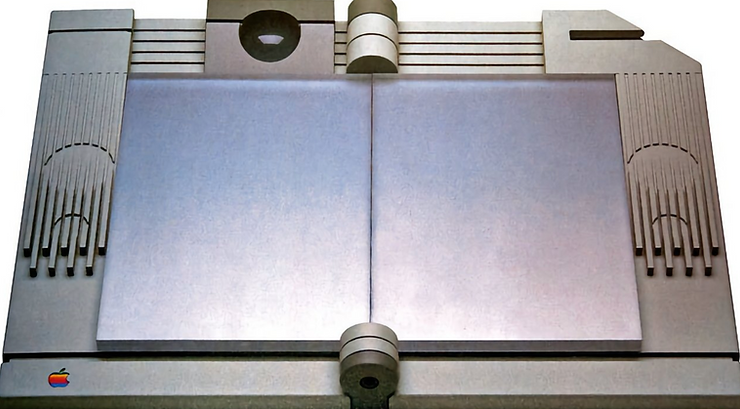
Over the next 30 years, Apple gradually brought elements of the Knowledge Navigator to life:
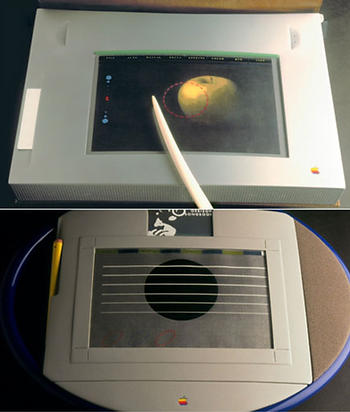
Apple’s Knowledge Navigator stands as a testament to visionary thinking, illustrating how creative foresight can guide technological progress. It inspired not only Apple’s trajectory but also the broader tech industry’s focus on human-computer interaction, AI development, and ubiquitous computing.

Apple’s Knowledge Navigator was more than just a concept—it was a roadmap for the future. What seemed fantastical in 1987 has now become everyday reality, proving that visionary design can transform the world. Its legacy continues to shape advancements in artificial intelligence, user experience, and mobile computing, making it a cornerstone in the history of modern technology.
-fotor-bg-remover-20251210165637.webp)


