-fotor-bg-remover-20251211141935.webp)
-fotor-bg-remover-20251211143525.webp)
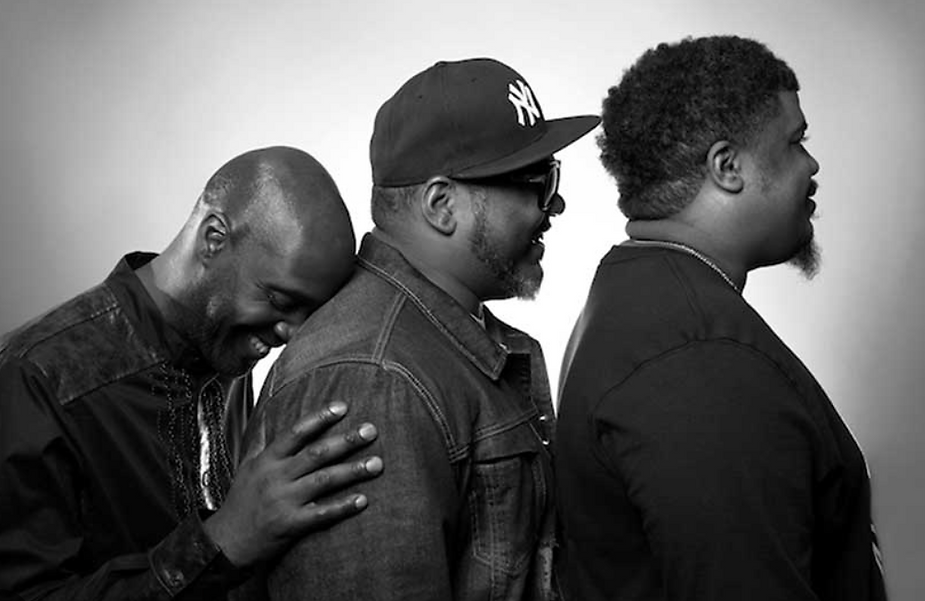
De La Soul’s journey began in Long Island, New York, where three high school friends—Kelvin Mercer (Posdnuos), David Jolicoeur (Trugoy the Dove), and Vincent Mason (Maseo)—would go on to redefine the landscape of hip-hop.

Emerging from the late 1980s, a time dominated by aggressive, hard-hitting rap, De La Soul offered something different: a refreshing, playful, and thought-provoking approach that blended humor, social commentary, and innovation.
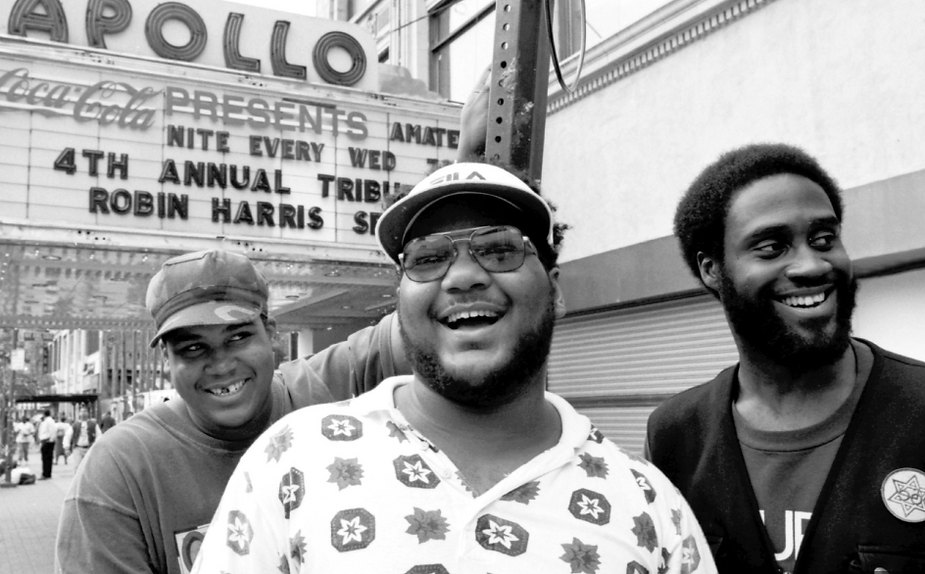
De La Soul’s debut album, 3 Feet High and Rising (1989), was nothing short of revolutionary. Produced by Prince Paul, the album introduced a new style of hip-hop that combined eclectic sampling, quirky lyrics, and a colorful aesthetic that became known as the "Daisy Age" (an acronym for "Da Inner Sound Y’all").
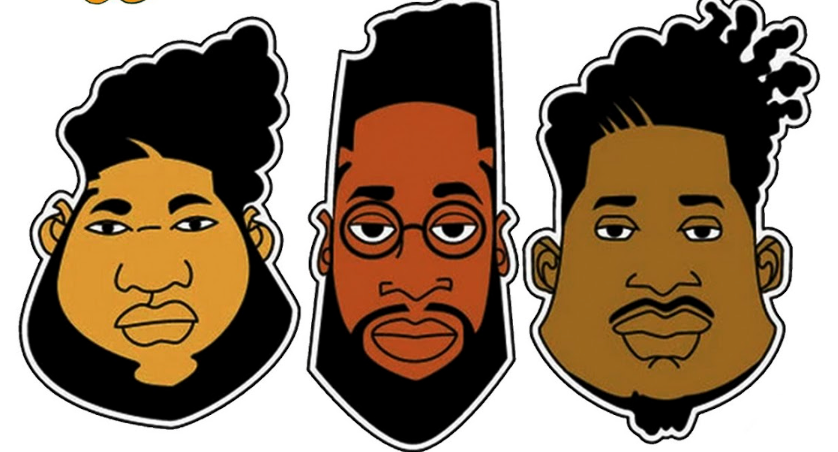
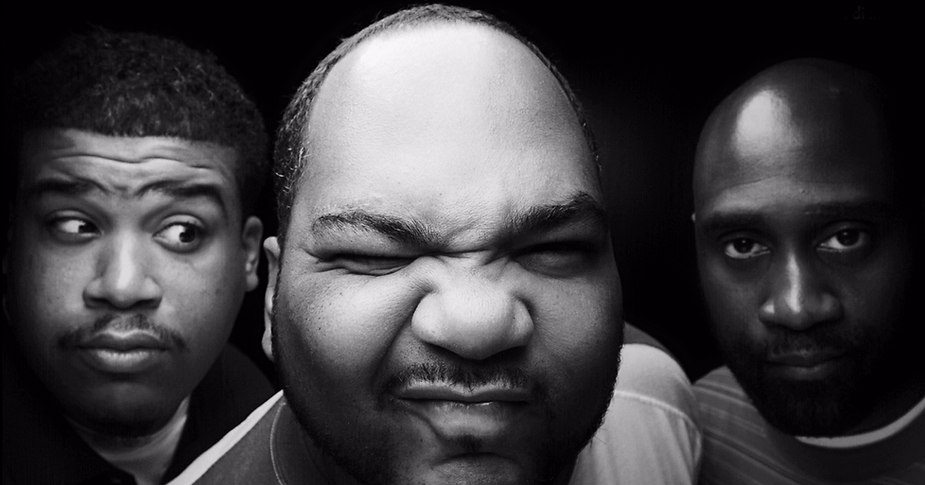
The album’s playful hits like “Me, Myself and I,” “The Magic Number,” and “Eye Know” redefined what hip-hop could be. 3 Feet High and Rising became a cultural phenomenon, earning widespread critical acclaim and chart success. It broke boundaries with its creative use of samples, borrowing from artists as varied as Steely Dan, Hall & Oates, and even French instructional records.
De La Soul’s distinctiveness lay in their ability to innovate, challenge norms, and evolve with the times. Here’s what set them apart:
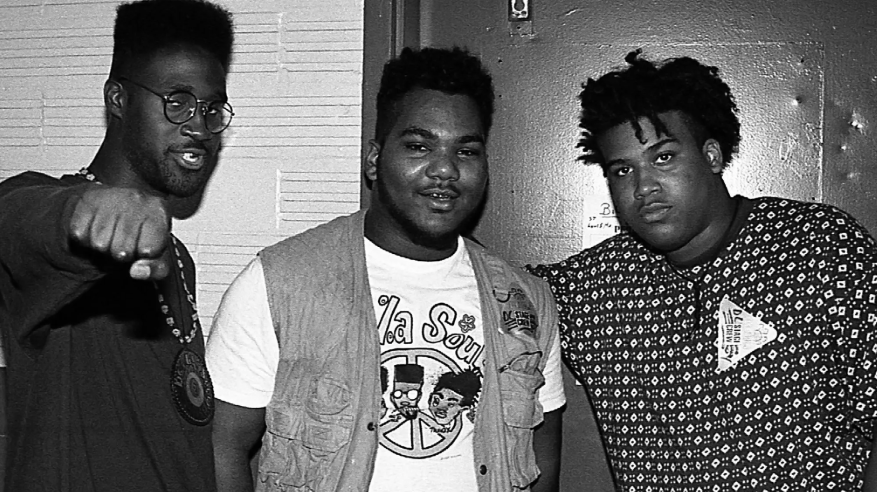
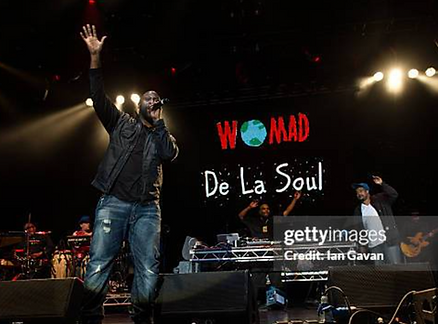
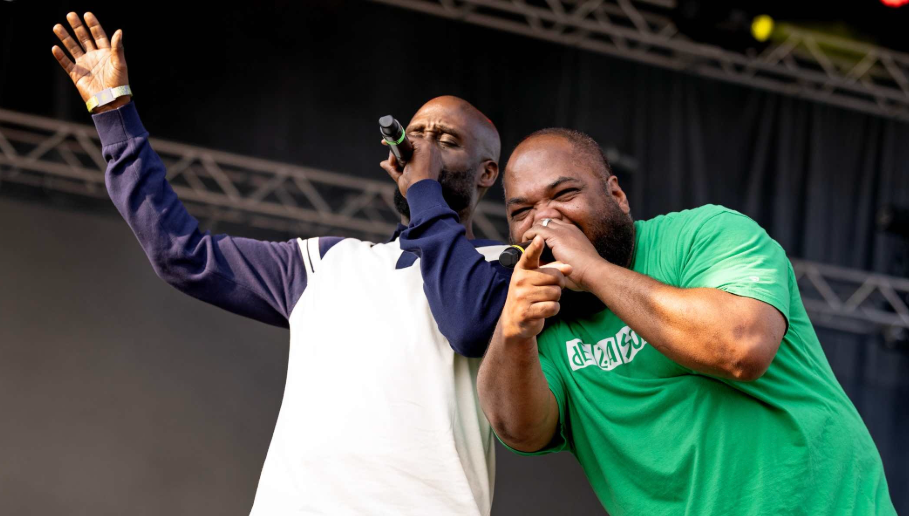


De La Soul’s collaborations have been a key part of their legacy, bridging genres and connecting them with artists across the musical spectrum:
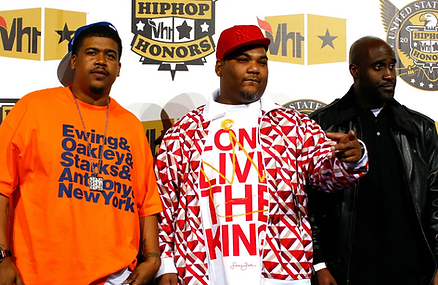
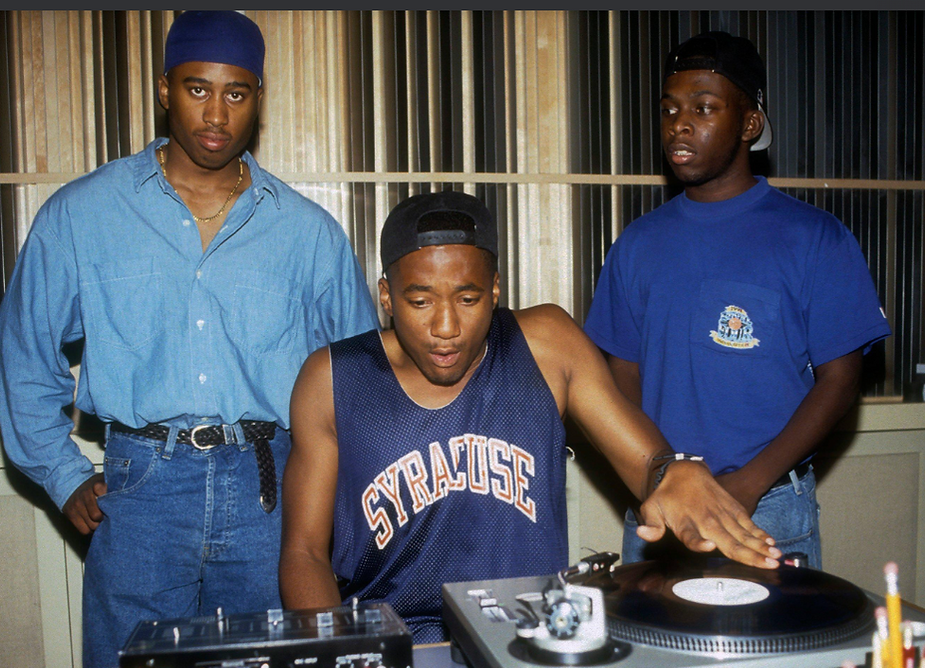
De La Soul’s influence can be felt across multiple generations of hip-hop and beyond. Their unique approach inspired artists to think outside the box, embrace creativity, and challenge conventions.
De La Soul’s music remains timeless because it resonates on multiple levels. Their clever wordplay, innovative production, and ability to address universal themes ensure their songs still feel fresh decades later. Tracks like “Me, Myself and I” and “Feel Good Inc.” are as relevant today as when they were first released.
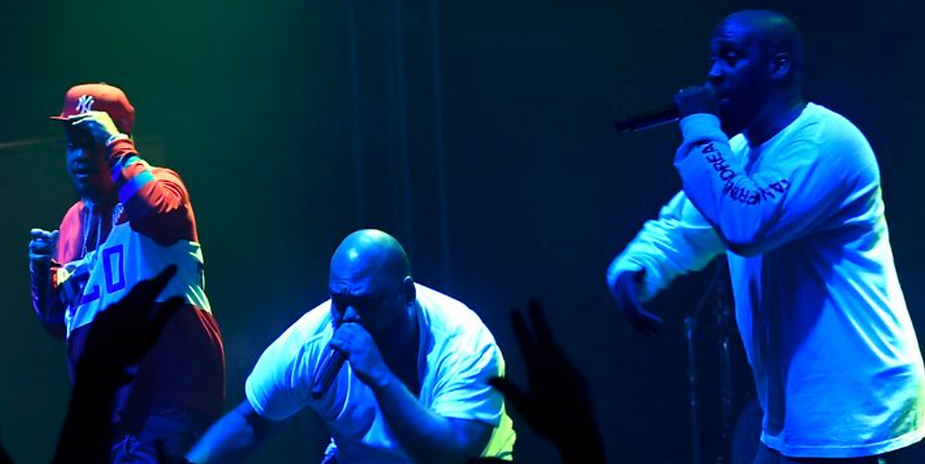
Despite legal and industry challenges—most notably, issues with sample clearance that delayed the digital release of their catalog—De La Soul has maintained their relevance and integrity. The 2023 release of their entire discography on streaming platforms introduced their work to a whole new audience, reaffirming their impact and timeless appeal.
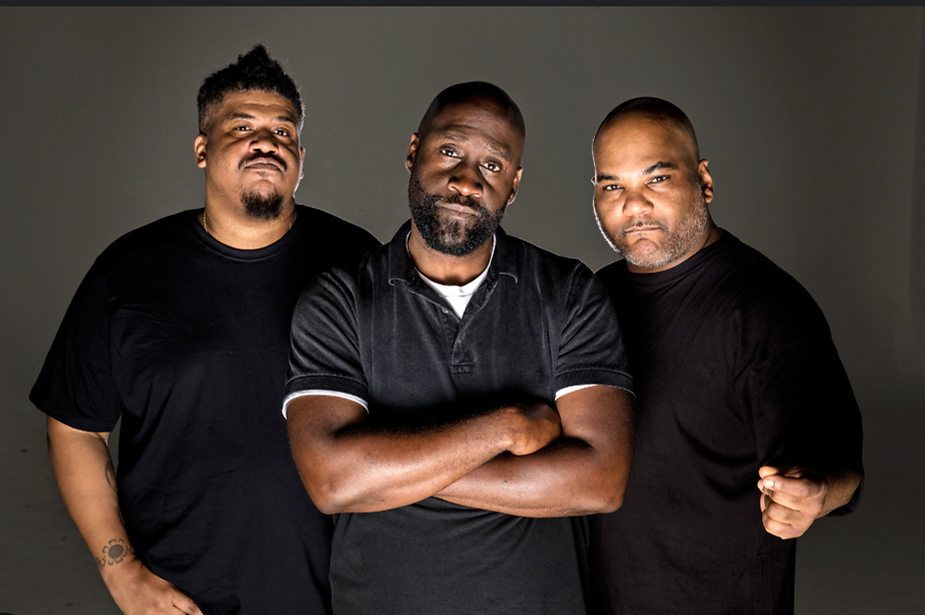
De La Soul’s enduring appeal and unique place in hip-hop history stem from their creativity, authenticity, and ability to challenge the conventions of the genre. Here’s a breakdown of what makes them tick and why they remain such an essential part of hip-hop history:
De La Soul’s music has always stood apart for its adventurous and eclectic approach to production. From the beginning, they treated hip-hop as an art form ripe for experimentation:
De La Soul’s lyrics are a unique blend of humor, intellect, and introspection:
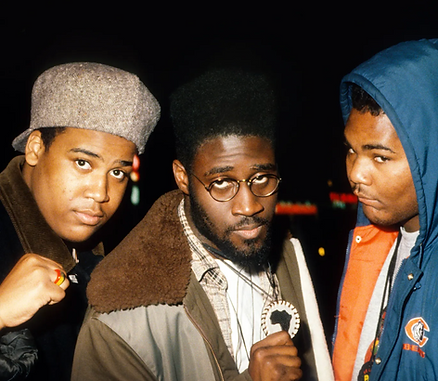
De La Soul’s ability to collaborate with others has been a cornerstone of their success and legacy:
De La Soul has always stayed true to their roots, refusing to chase trends or compromise their artistic integrity:
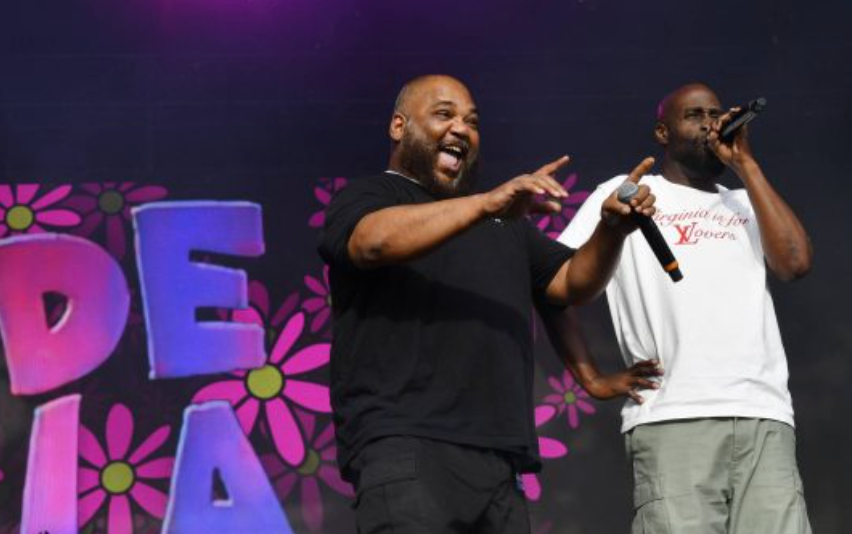
De La Soul occupies a unique and revered space in hip-hop’s pantheon. Here’s why they are an indelible part of the genre’s legacy:
De La Soul redefined what hip-hop could sound like. By blending humor, introspection, and eclectic musical influences, they paved the way for alternative and conscious hip-hop movements. They directly influenced groups like:
Their groundbreaking use of sampling, particularly on 3 Feet High and Rising, reshaped how producers approached music. The album remains a masterclass in creativity, and its influence can be heard in artists from The Beastie Boys to DJ Shadow.
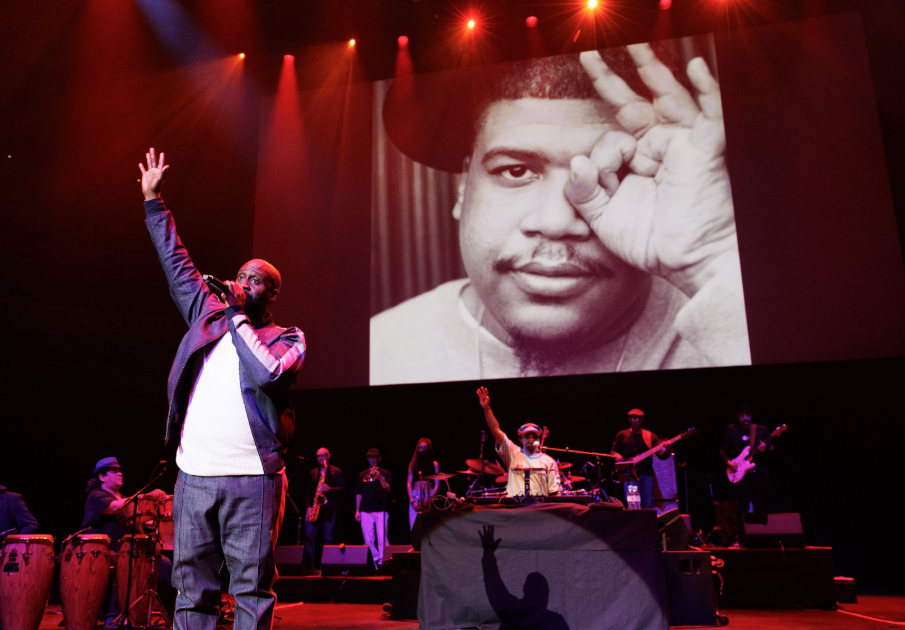
Through their work with the Native Tongues and artists like Gorillaz, Mos Def, and Common, De La Soul demonstrated how collaboration could elevate hip-hop into a more inclusive and genre-blending art form.
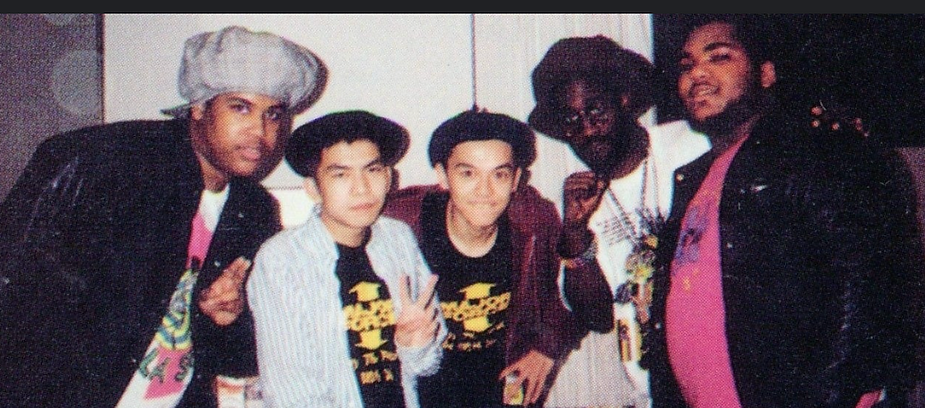
De La Soul’s refusal to bow to commercial pressures made them standard-bearers for artistic integrity in hip-hop. They spoke truth to power, criticized industry trends, and maintained their unique voice across decades.
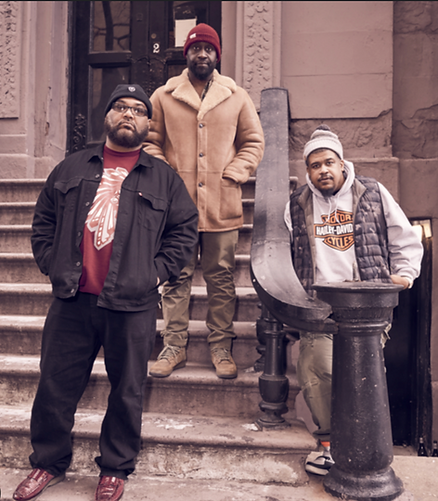
De La Soul’s music has proven timeless because it resonates on multiple levels. From the joyful energy of “Me, Myself and I” to the introspection of Stakes Is High, their songs continue to inspire new generations of fans and artists alike.
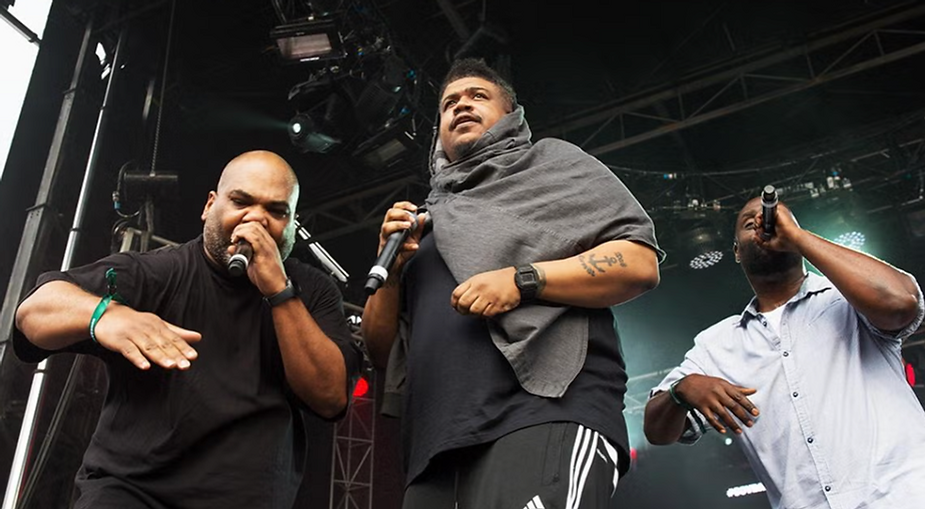
De La Soul remains a testament to the power of creativity, collaboration, and authenticity. They are not just part of hip-hop’s history—they are architects of its evolution, continually reminding the world of the genre’s limitless potential.
Their induction into hip-hop’s hall of fame is not just about their past but also about the future of the culture they helped shape. With their catalog finally available on digital platforms and their continued celebration in music culture, De La Soul proves that great art transcends time, trends, and boundaries.The Tragic Loss of Trugoy and Their Continuing Legacy
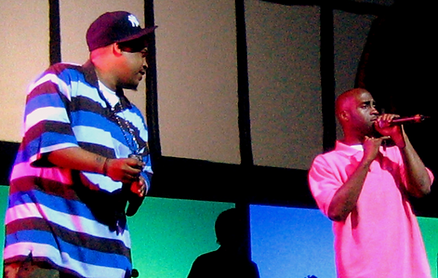
In 2023, the group suffered a devastating loss with the passing of Trugoy the Dove (David Jolicoeur). Despite this tragedy, De La Soul continues to honor his memory by performing and keeping their music alive.
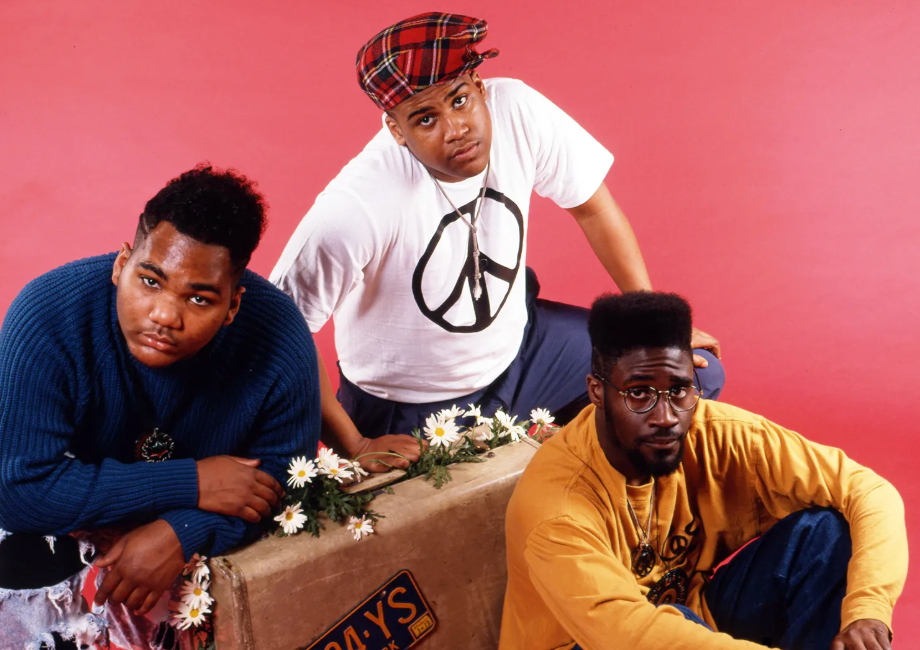
The group’s influence on hip-hop, pop, and global music culture cannot be overstated. They’ve shown that creativity, authenticity, and a willingness to challenge the status quo are the keys to staying power. De La Soul isn’t just a part of hip-hop history—they’re a cornerstone of it, inspiring countless artists and fans across generations.
As they once said: “De La Soul is not dead. It’s very much alive.”

-fotor-bg-remover-20251210165637.webp)


