-fotor-bg-remover-20251211141935.webp)
-fotor-bg-remover-20251211143525.webp)
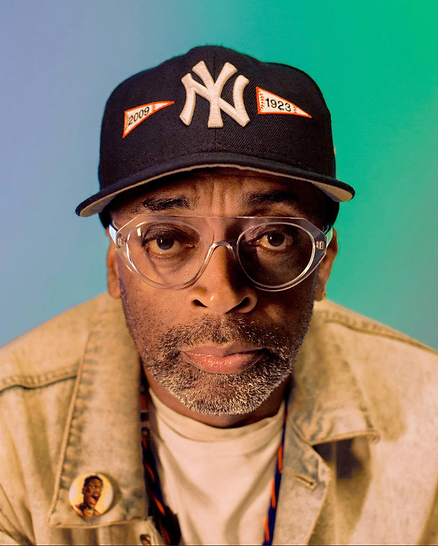
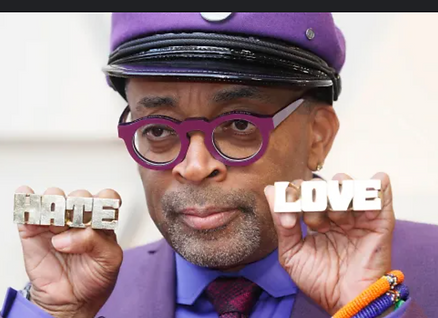
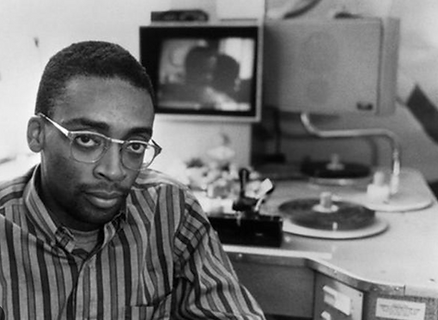
Spike Lee, born Shelton Jackson Lee on March 20, 1957, in Atlanta, Georgia, is one of the most influential filmmakers in American cinema. A director, writer, producer, and actor, Lee has spent over four decades telling bold, unapologetic stories about race, identity, and social justice, earning a place as a cultural icon and a pioneer of independent filmmaking.
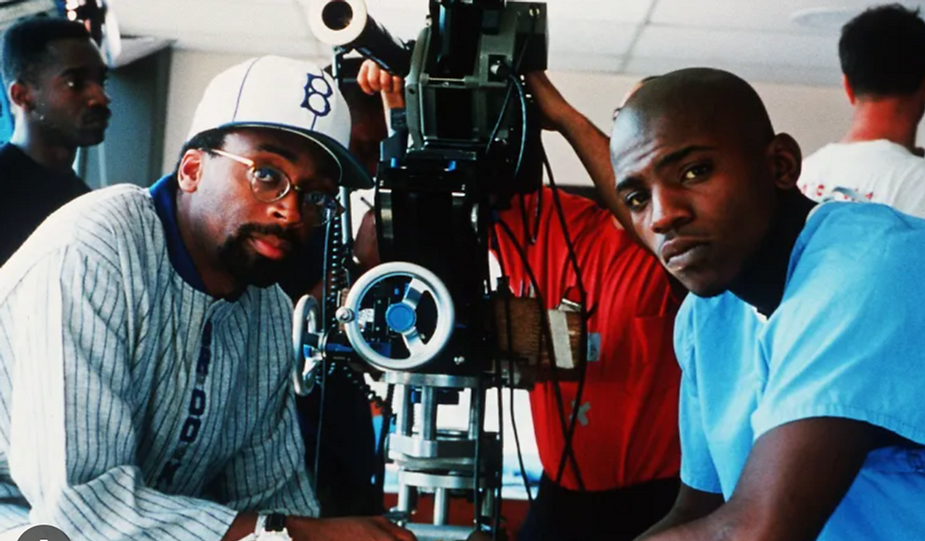
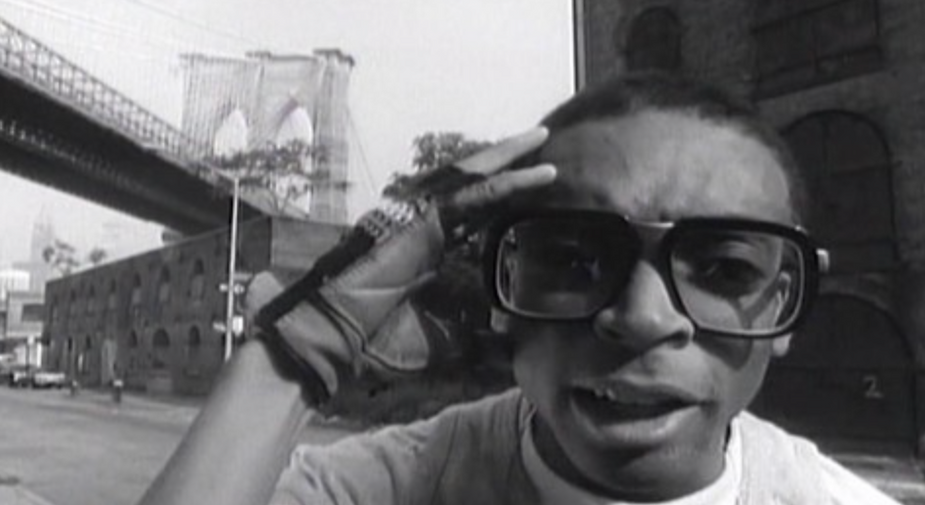
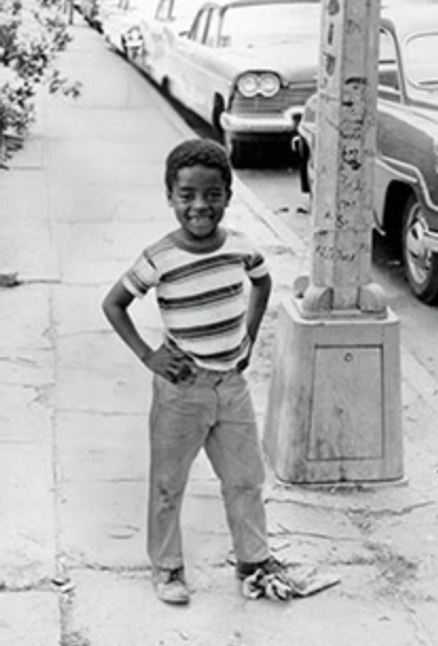
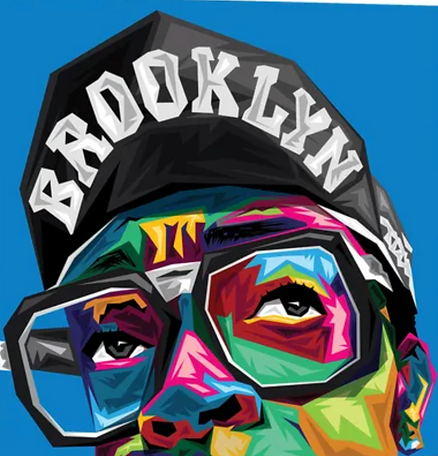
Lee was the eldest of five children born to William James Edward Lee III, a jazz musician and composer, and Jacqueline Carroll, a teacher and arts enthusiast. When Lee was a young child, his family relocated to Brooklyn, New York, where he would grow up in the culturally vibrant neighborhood of Fort Greene. Brooklyn would later become a recurring setting and inspiration in many of his films.
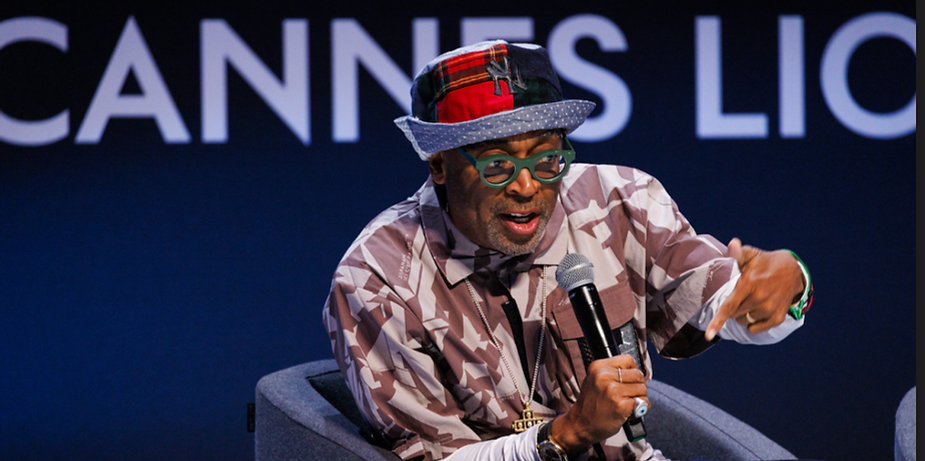
Nicknamed "Spike" by his mother for his toughness, Lee developed an early love for storytelling. He attended John Dewey High School in Brooklyn before enrolling at Morehouse College, a historically Black college in Atlanta, where his father and grandfather also studied. There, Lee majored in mass communications and began experimenting with film. He also took film courses at Clark Atlanta University and later earned a Master of Fine Arts in film production from New York University’s Tisch School of the Arts in 1982.

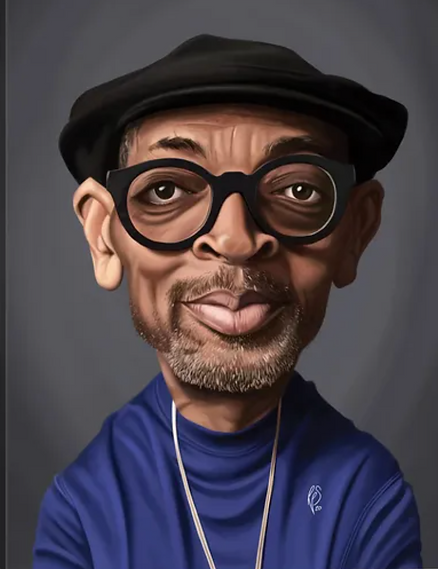
Lee’s graduate thesis film, Joe’s Bed-Stuy Barbershop: We Cut Heads (1983), won the Student Academy Award and set the stage for his career. He quickly made a name for himself with his debut feature, She’s Gotta Have It (1986). Shot on a shoestring budget of $175,000, the film was a groundbreaking romantic comedy centered on an independent Black woman navigating her relationships. It earned critical acclaim, grossed over $7 million, and was pivotal in the rise of Black independent cinema.
Lee’s second film, School Daze (1988), explored tensions within the Black community through the lens of a fictional historically Black college. The film’s vibrant musical numbers and unflinching social commentary showcased Lee’s growing ambition and unique style.
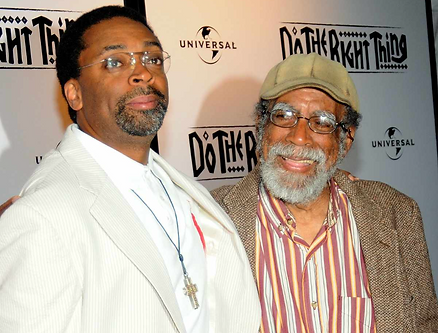
In 1989, Lee released Do the Right Thing, a landmark film in American cinema. Set on a single sweltering day in Brooklyn, the film tackled police brutality, systemic racism, and community conflict. With its vivid colors, dynamic cinematography, and explosive narrative, Do the Right Thing earned Lee an Academy Award nomination for Best Original Screenplay and remains one of his most celebrated works.
The 1990s saw Lee continue to tackle provocative subjects:
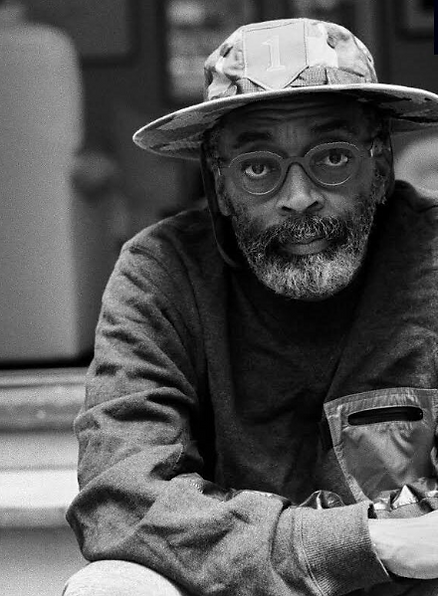
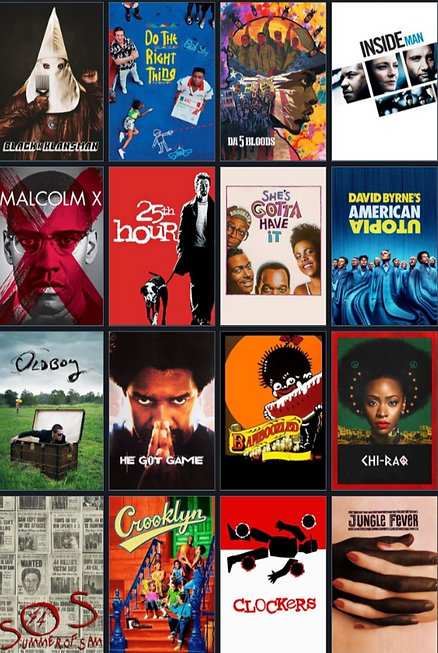
Spike Lee’s filmmaking is defined by its energetic visual style, including:
His films often tackle complex issues such as systemic racism, gentrification, police brutality, and the Black experience in America. Lee unapologetically centers his stories on Black characters, often giving voice to marginalized communities ignored by mainstream Hollywood.
While Lee garnered critical acclaim, his films did not always achieve commercial success, and he often faced resistance from Hollywood for his politically charged narratives. Nevertheless, he remained committed to his vision, producing films through his company, 40 Acres and a Mule Filmworks, based in Brooklyn.
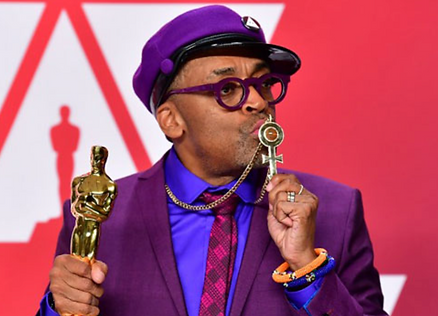
In the 2000s, Lee directed a mix of fiction and documentaries. Films like Inside Man (2006), a heist thriller starring Denzel Washington, Clive Owen, and Jodie Foster, demonstrated his ability to make mainstream hits. He also produced powerful documentaries such as 4 Little Girls (1997), about the 1963 Birmingham church bombing, and When the Levees Broke (2006), about the aftermath of Hurricane Katrina.
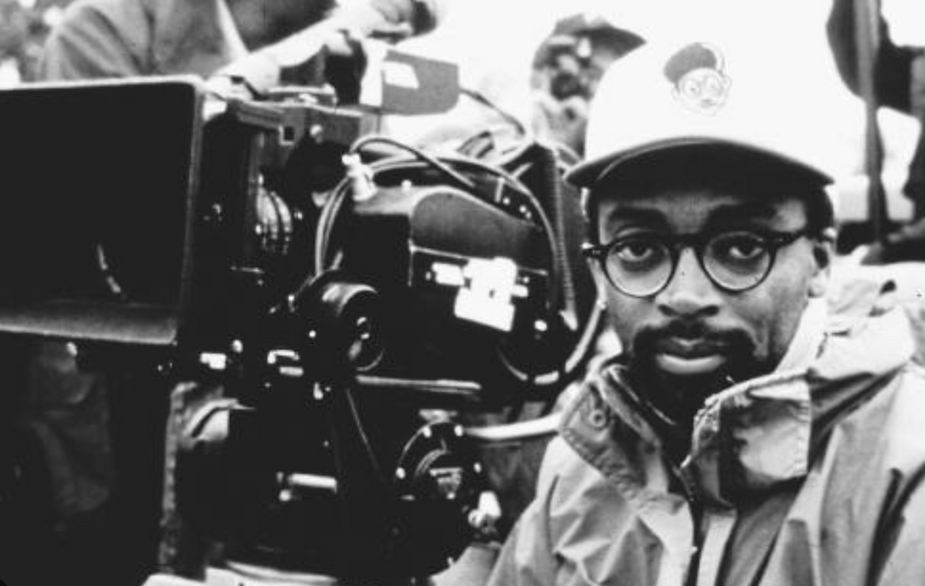
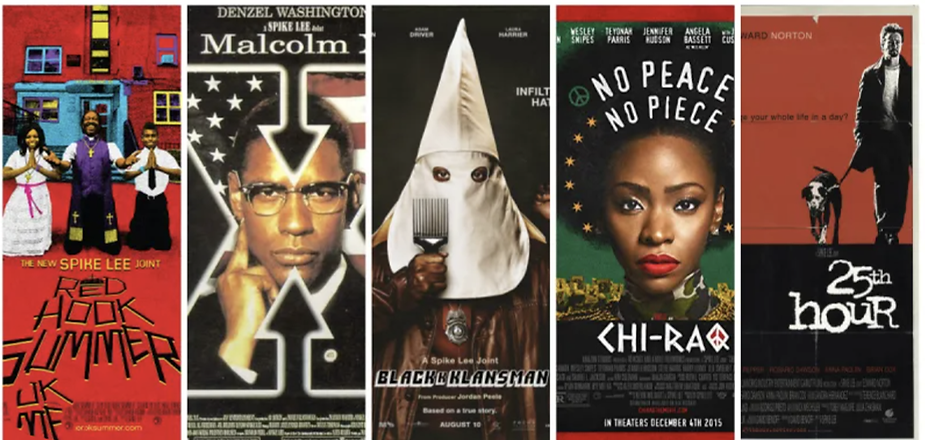
In 2018, Lee directed BlacKkKlansman, based on the true story of Ron Stallworth, a Black detective who infiltrated the Ku Klux Klan in the 1970s. The film earned widespread acclaim and won Lee his first competitive Academy Award for Best Adapted Screenplay.
In 2020, Lee released Da 5 Bloods, a Vietnam War drama that explored the experiences of Black soldiers and the lingering effects of war. The film received praise for its timely themes and strong performances.
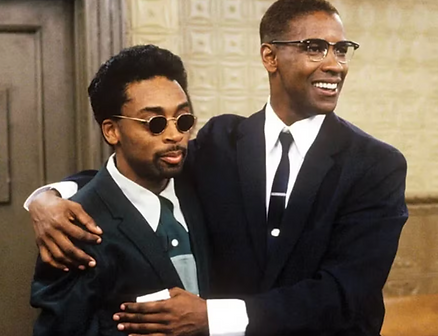
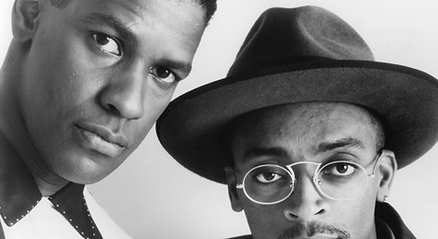
Spike Lee is more than a filmmaker; he is a cultural icon. Through his films, he has amplified Black voices, confronted social injustices, and changed the way Hollywood tells stories about race and identity. He has inspired generations of filmmakers to use their craft as a tool for activism and truth-telling.
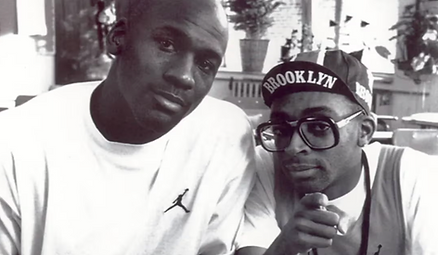
Lee’s impact extends beyond cinema. He is a vocal advocate for social justice, often speaking out on issues of race, politics, and inequality. His contributions to art and culture have been recognized with numerous accolades, including an Honorary Academy Award in 2015 and a BAFTA Fellowship in 2019.
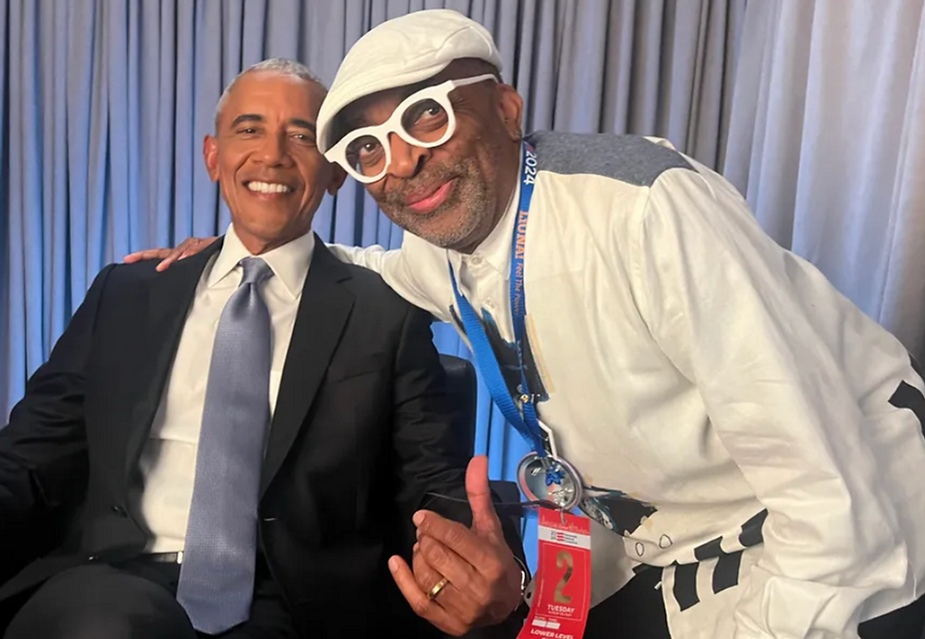
Spike Lee’s career is a testament to the power of storytelling as a force for change. From Do the Right Thing to BlacKkKlansman, he has used cinema to challenge, provoke, and inspire. His films remain as relevant today as when they were first released, ensuring his legacy as one of the greatest and most important filmmakers in history.
-fotor-bg-remover-20251210165637.webp)


