-fotor-bg-remover-20251211141935.webp)
-fotor-bg-remover-20251211143525.webp)
Akira Kurosawa (1910–1998) is one of the most influential filmmakers in the history of cinema. Known as "The Emperor" of Japanese cinema, his innovative techniques, powerful storytelling, and ability to weave Japanese culture with universal themes made him a global icon. From samurai epics to intimate dramas, Kurosawa’s films have inspired generations of filmmakers, including George Lucas, Martin Scorsese, and Steven Spielberg.
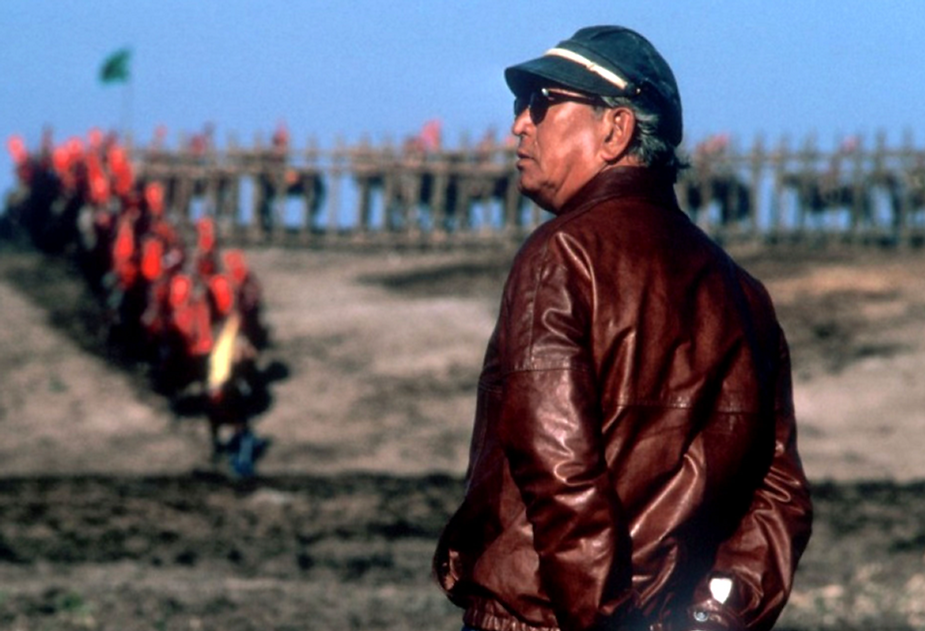

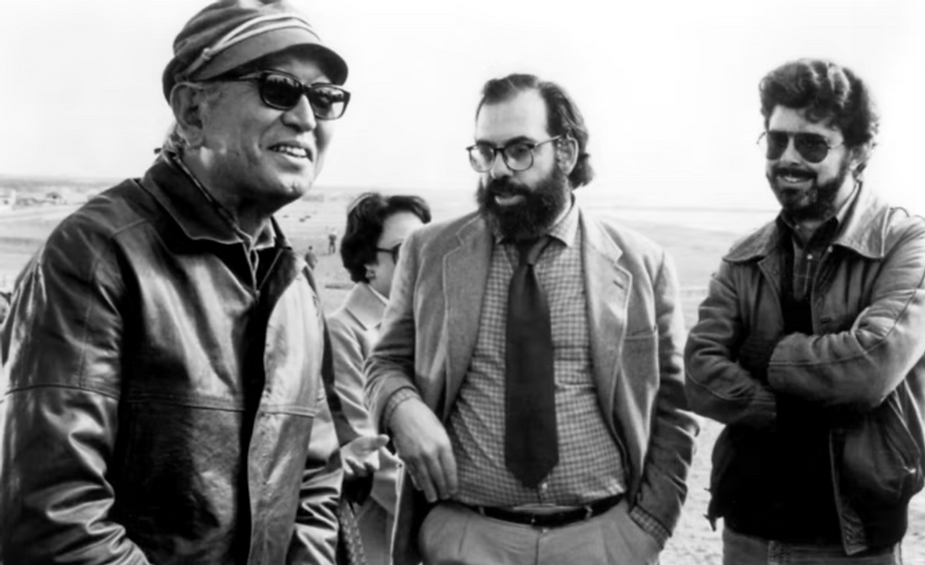

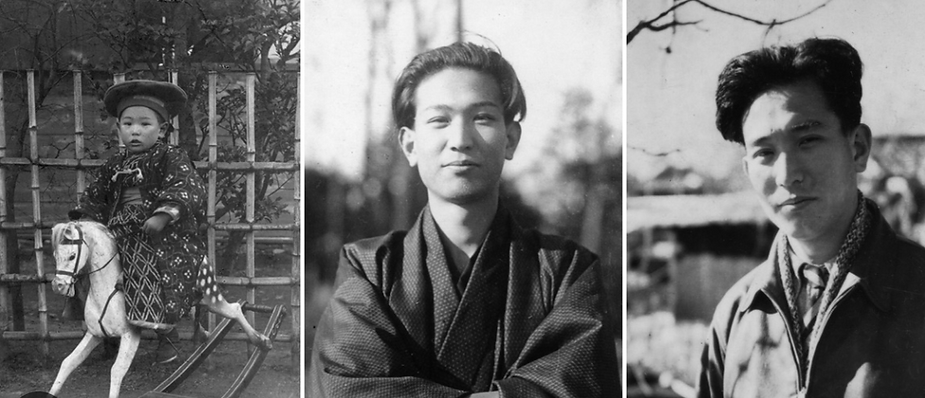
Born on March 23, 1910, in Tokyo, Japan, Kurosawa was the youngest of eight children in a samurai-descended family. His father, Isamu, was a military school director who encouraged his children to embrace both traditional Japanese culture and Western influences, including film. This early exposure to a mix of traditions shaped Kurosawa’s artistic vision.
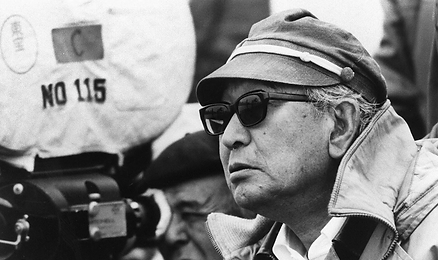
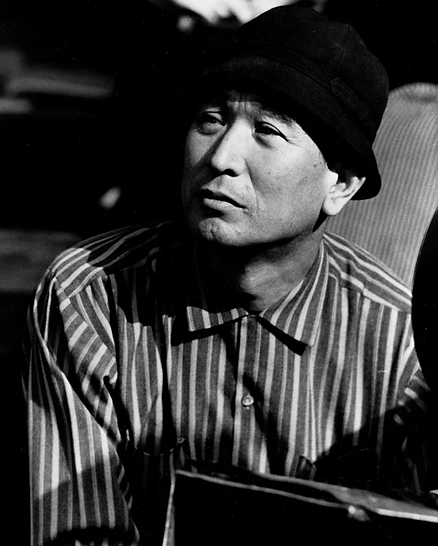
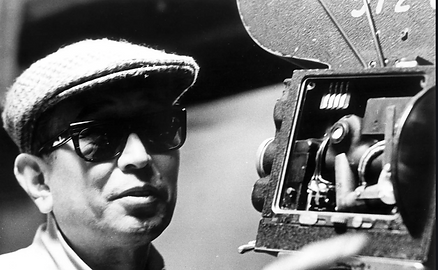
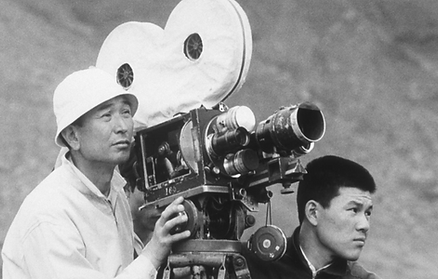
As a child, Kurosawa was fascinated by art and literature, particularly Western classics by Dostoevsky and Shakespeare, which later influenced his films. He initially pursued a career as a painter but eventually shifted to filmmaking, viewing cinema as a medium that combined visual art and storytelling.
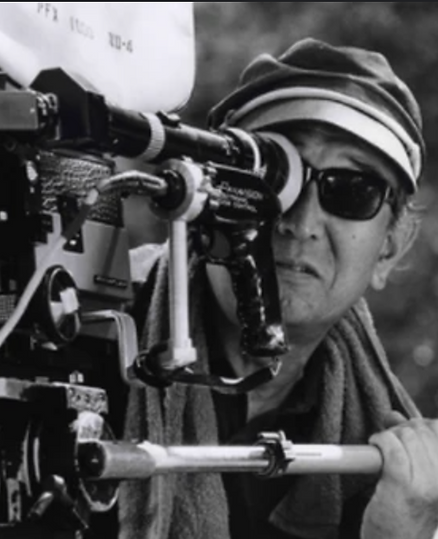
Kurosawa entered the film industry in 1936 as an assistant director at P.C.L. (Photo Chemical Laboratories), which later became Toho Studios. He worked under director Kajirō Yamamoto, who mentored Kurosawa and recognized his talent for screenwriting and visual composition.
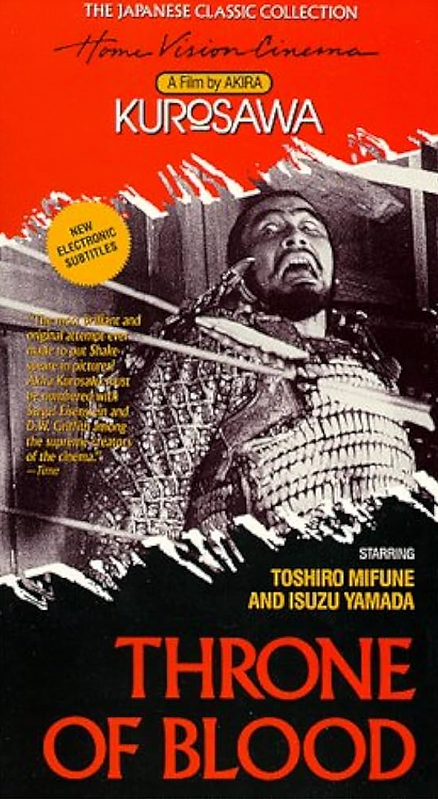
In 1943, Kurosawa made his directorial debut with Sanshiro Sugata, a judo-themed drama that showcased his skill in crafting compelling action sequences and character-driven narratives. Despite government censorship during World War II, Kurosawa quickly gained a reputation as a filmmaker with a distinct voice.
After World War II, Kurosawa directed films that reflected Japan’s struggles with identity and recovery. His 1948 crime thriller Drunken Angel, starring Toshiro Mifune, marked the beginning of his collaboration with Mifune, who would become his favorite leading man and one of Japanese cinema’s greatest stars.
In 1950, Kurosawa achieved international acclaim with Rashomon. The film’s groundbreaking use of nonlinear storytelling and multiple perspectives explored the nature of truth and morality. It won the Golden Lion at the Venice Film Festival and introduced Japanese cinema to the global stage, earning Kurosawa an honorary Academy Award.

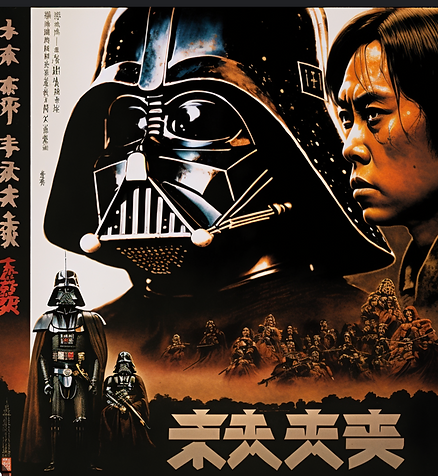
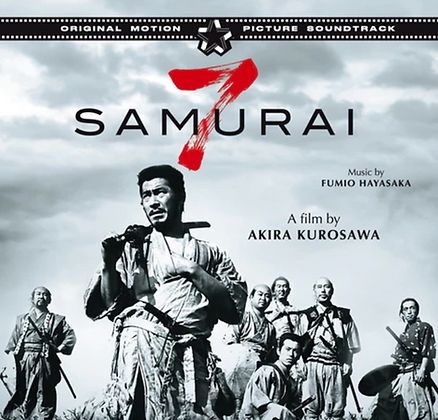
Throughout the 1950s and 1960s, Kurosawa directed a series of masterpieces that solidified his reputation as one of cinema’s greatest auteurs:
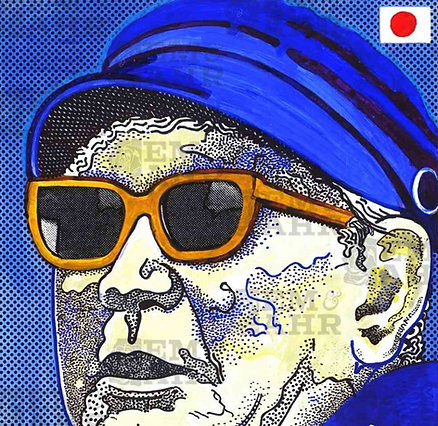
Despite his success, Kurosawa faced challenges as the Japanese film industry declined in the 1960s. His 1970 film Dodes'ka-den, a departure from his samurai epics, was a commercial failure, leading to financial struggles and a deep depression. He attempted suicide in 1971 but survived, eventually finding renewed purpose in filmmaking.
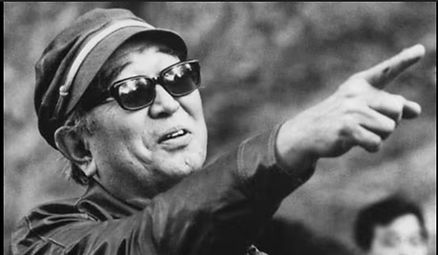
In 1975, Kurosawa made a triumphant comeback with Dersu Uzala, a Soviet-Japanese co-production about a friendship between a Russian explorer and a Siberian guide. The film won the Academy Award for Best Foreign Language Film, marking Kurosawa’s return to international acclaim.
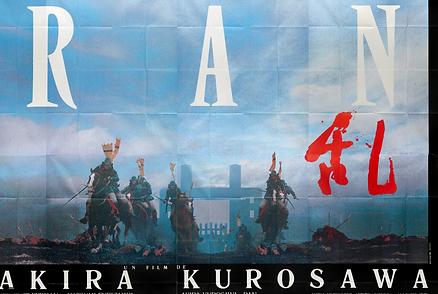
Kurosawa’s later works, made with the support of admirers like George Lucas and Francis Ford Coppola, reaffirmed his genius:
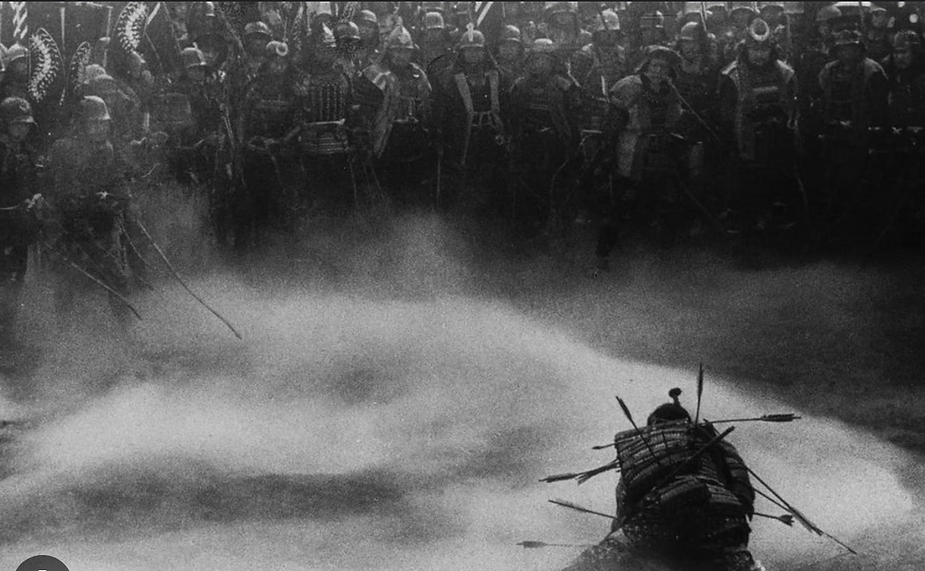
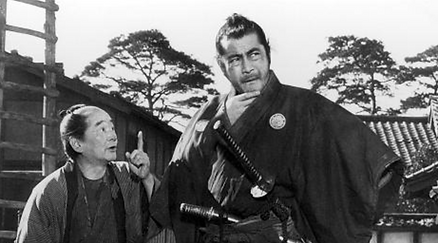
Akira Kurosawa passed away on September 6, 1998, at the age of 88, leaving behind a legacy that transcends borders and generations. His mastery of storytelling, innovative use of cinematography (like the telephoto lens and weather as a narrative device), and ability to blend Eastern and Western influences reshaped global cinema.
Kurosawa inspired countless filmmakers, including:
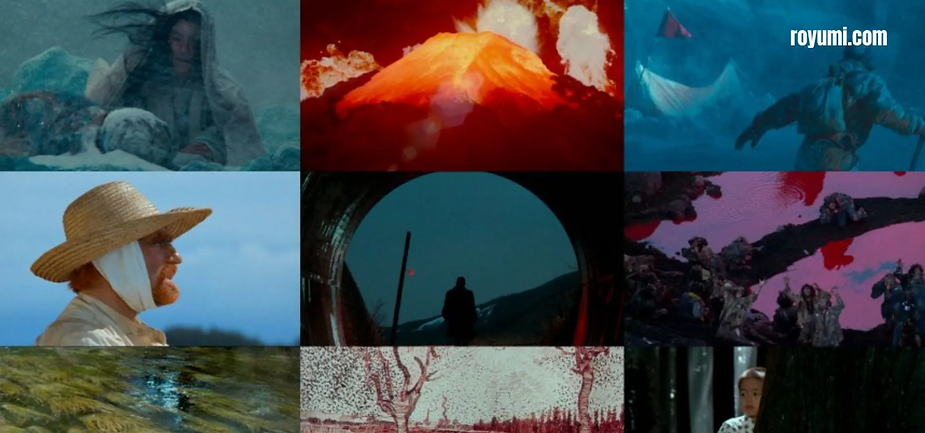
Kurosawa’s films explored universal themes like honor, morality, and human resilience, resonating with audiences worldwide. His work also reflected Japan’s post-war struggles and transformation, offering a window into its culture and history.
Today, Kurosawa remains a towering figure in cinema, celebrated for his artistry, innovation, and ability to tell stories that connect deeply with humanity.
-fotor-bg-remover-20251210165637.webp)


